
Nexo Earn with Nexo
2026 FIFA World Cup tournament hubs track matches and scores for 48 teams across 16 cities

2026 FIFA World Cup tournament hubs track matches and scores for 48 teams across 16 cities

Crypto exchanges are embedding themselves into the biggest World Cup ever, with prediction markets, digital tokens, and real-time match tracking for billions of fans

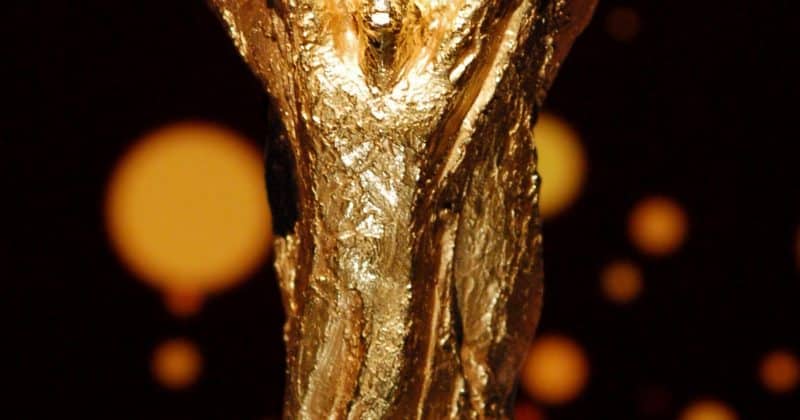
The 2026 FIFA World Cup is shaping up to be the largest edition in the tournament’s history. Running from June 11 to July 19, it will feature 48 national teams playing 104 matches across 16 host cities spread between Canada, Mexico, and the United States.

Crypto’s front-row seat at the World Cup

Kraken has locked in a role as the official cryptocurrency exchange sponsor of the 2026 World Cup, with activations planned across host cities.

Gate.io, meanwhile, has taken a more product-forward approach. The exchange launched its own World Cup Hub inside version 8.22 of its app, giving users access to match fixtures, real-time standings, match calendars, and linked prediction markets powered by Polymarket.

Advertisement

FIFA itself has been experimenting with blockchain-based access. The organization sold tens of thousands of “Right to Buy” digital tokens at hundreds of dollars each. These tokens grant holders priority access to purchase tickets, but don’t include the ticket price itself.

That model, facilitated through a partnership with Modex, drew its share of criticism. Paying a premium for the privilege of buying something isn’t exactly a novel concept in the luxury goods world, but attaching it to a blockchain added a layer of scrutiny around whether fans were getting genuine utility or just a tokenized queue ticket.

Why 48 teams changes the math

Previous World Cups featured 32 teams. This expansion to 48 represents a 50% increase in participating nations and a roughly 52% jump in total matches, from the previous 64 to 104.

The prediction market angle

Gate.io’s decision to integrate Polymarket-linked predictions directly into its tournament hub signals a bet that sports fans and crypto traders are increasingly the same audience.

For Kraken, the sponsorship play is more about brand positioning than direct product integration. Being the “official crypto exchange” of the World Cup puts Kraken’s name in front of a global audience at a time when exchange competition is fierce. Crypto.com had the FIFA World Cup Qatar 2022. Kraken grabbing this cycle’s tournament is a statement about where the exchange sees its growth trajectory.

What this means for investors

The FIFA digital token experiment is worth monitoring separately. If “Right to Buy” tokens trade on secondary markets at premiums, it signals demand for blockchain-based access passes in live events beyond just soccer.

Regulators in all three host countries have been increasingly active on crypto oversight. A high-profile World Cup integration that goes sideways, whether through a prediction market controversy or token-related consumer complaints, could invite exactly the kind of scrutiny the industry has been trying to avoid.

Disclosure: This article was edited by Editorial Team. For more information on how we create and review content, see our Editorial Policy.

2026 FIFA World Cup tournament hubs track matches and scores for 48 teams across 16 cities

2026 FIFA World Cup tournament hubs track matches and scores for 48 teams across 16 cities

Crypto exchanges are embedding themselves into the biggest World Cup ever, with prediction markets, digital tokens, and real-time match tracking for billions of fans

The 2026 FIFA World Cup is shaping up to be the largest edition in the tournament’s history. Running from June 11 to July 19, it will feature 48 national teams playing 104 matches across 16 host cities spread between Canada, Mexico, and the United States.

Crypto’s front-row seat at the World Cup

Kraken has locked in a role as the official cryptocurrency exchange sponsor of the 2026 World Cup, with activations planned across host cities.

Gate.io, meanwhile, has taken a more product-forward approach. The exchange launched its own World Cup Hub inside version 8.22 of its app, giving users access to match fixtures, real-time standings, match calendars, and linked prediction markets powered by Polymarket.

Advertisement

FIFA itself has been experimenting with blockchain-based access. The organization sold tens of thousands of “Right to Buy” digital tokens at hundreds of dollars each. These tokens grant holders priority access to purchase tickets, but don’t include the ticket price itself.

That model, facilitated through a partnership with Modex, drew its share of criticism. Paying a premium for the privilege of buying something isn’t exactly a novel concept in the luxury goods world, but attaching it to a blockchain added a layer of scrutiny around whether fans were getting genuine utility or just a tokenized queue ticket.

Why 48 teams changes the math

Previous World Cups featured 32 teams. This expansion to 48 represents a 50% increase in participating nations and a roughly 52% jump in total matches, from the previous 64 to 104.

The prediction market angle

Gate.io’s decision to integrate Polymarket-linked predictions directly into its tournament hub signals a bet that sports fans and crypto traders are increasingly the same audience.

For Kraken, the sponsorship play is more about brand positioning than direct product integration. Being the “official crypto exchange” of the World Cup puts Kraken’s name in front of a global audience at a time when exchange competition is fierce. Crypto.com had the FIFA World Cup Qatar 2022. Kraken grabbing this cycle’s tournament is a statement about where the exchange sees its growth trajectory.

What this means for investors

The FIFA digital token experiment is worth monitoring separately. If “Right to Buy” tokens trade on secondary markets at premiums, it signals demand for blockchain-based access passes in live events beyond just soccer.

Regulators in all three host countries have been increasingly active on crypto oversight. A high-profile World Cup integration that goes sideways, whether through a prediction market controversy or token-related consumer complaints, could invite exactly the kind of scrutiny the industry has been trying to avoid.

Disclosure: This article was edited by Editorial Team. For more information on how we create and review content, see our Editorial Policy.