
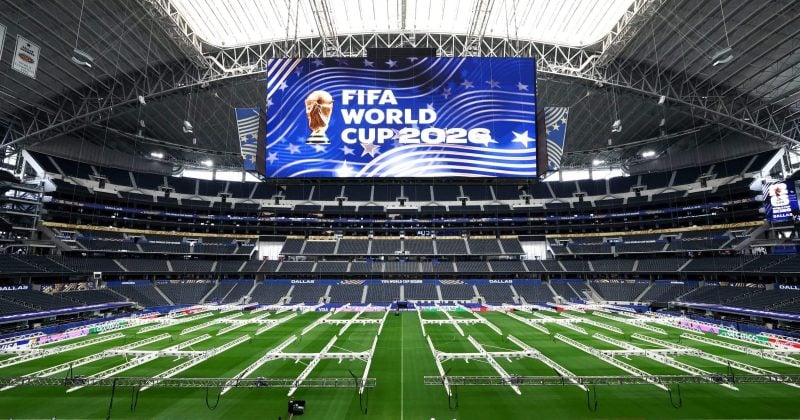
World Cup 2026 half-time extension signals crypto’s growing role in sports broadcasting
FIFA's decision to stretch the final's half-time break to 25 minutes is about more than ad revenue — it's a window into how crypto is reshaping tournament economics.
The World Cup final on Sunday will have a half-time break running between 20 and 25 minutes, longer than the standard 15-minute interval fans are used to. The extension is driven by broadcast and sponsorship demands, which, in 2026, include a growing list of crypto partners that did not exist in previous tournament cycles.
Kraken, Avalanche, and the crypto money flowing into FIFA
On June 9, 2026, Kraken was named the Official Crypto Exchange Supporter of the FIFA World Cup 2026, covering both North America and Europe. That is not a banner ad on a stadium wall. That is a top-tier sponsorship category, the kind previously reserved for banks, telecoms, and soft drink companies.
FIFA also partnered with Avalanche to handle blockchain-based ticketing infrastructure. The system uses Right-to-Ticket tokens, digital collectibles linked directly to match access. In English: your ticket lives on a blockchain, and so does the proof that you own it.
The ticketing angle matters more than it might seem. Sports ticketing has historically been plagued by fraud, scalping, and counterfeit resales. A blockchain-based system does not eliminate all of those problems, but it creates a verifiable chain of ownership that traditional paper or PDF tickets cannot match.
Fan tokens, memecoins, and the speculation layer
Below the official partnership tier, the crypto market has built its own parallel World Cup economy. Chiliz, the platform behind club and national team fan tokens, has seen volume increases tied to tournament momentum. Chiliz tokens give holders access to voting rights, exclusive content, and fan engagement mechanics on the Socios platform.
Prediction markets have also lit up. Platforms like Polymarket have become a real-time betting layer for tournament outcomes, with crypto-native users placing positions on match results, player performance, and bracket progressions.
The news moving money, markets, and the world—before your day starts.
Daily. Free. Join 34,000+ readers across crypto, finance, and policy.
Multiple Solana-based tokens with names tied to the World Cup, including tickers like W26 and FWC26, launched around the tournament. These are speculative instruments with no underlying utility. They are the digital equivalent of novelty merchandise, except they can be traded 24 hours a day and their value can go to zero with equal speed in either direction.
Decentralized betting platforms have also moved aggressively to capture World Cup traffic, offering wagering in Bitcoin, USDT, and other tokens. The pitch to users is straightforward: faster withdrawals, no bank involvement, and access from jurisdictions where traditional sports betting is restricted.
What investors and traders should actually watch
Chiliz is the most structurally connected token to tournament outcomes. Fan token demand tends to correlate with team performance and media attention, meaning a deep run by a major football nation can produce real buying pressure on its associated token.
AVAX, the native token of Avalanche, has a concrete use case tied to the tournament through the ticketing infrastructure. That does not guarantee price appreciation, but it does mean the network is processing real activity from a real user base during the tournament window.
Kraken’s sponsorship does not have a directly tradable token angle, since Kraken is a private company. But the deal reinforces the exchange’s positioning as an institution-grade platform willing to operate inside mainstream regulatory and commercial frameworks.
The memecoin and decentralized betting plays are a different category entirely. They are short-duration, high-volatility instruments. Traders who understand that dynamic and size their positions accordingly can participate. Traders who treat them as long-term holdings based on tournament hype are reading the wrong playbook.