
Enner Valencia, Ferran Torres lead 2026 World Cup xG underperformers

Enner Valencia, Ferran Torres lead 2026 World Cup xG underperformers

Ecuador's veteran striker and Spain's winger headline a group of players squandering high-quality chances at the expanded 48-team tournament

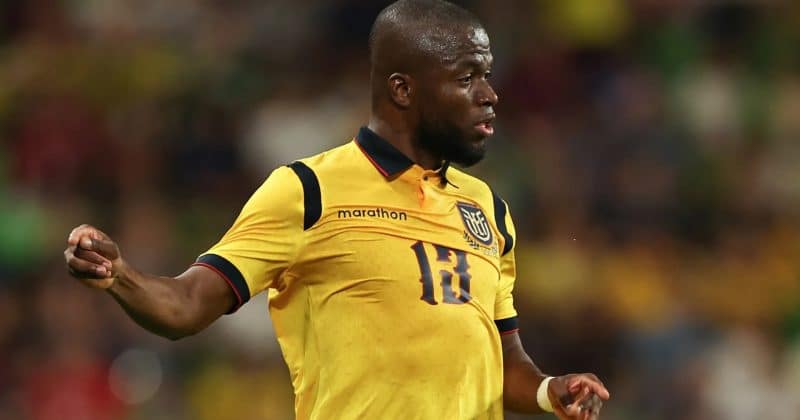
The 2026 FIFA World Cup has a conversion problem, at least for some of its most recognizable names. Ecuador’s Enner Valencia leads the tournament’s xG underperformers with a gap of -2.14 between his expected goals tally and his actual output, meaning the chances he has generated should, statistically speaking, have put him well over two goals ahead of where he actually stands.

Spain’s Ferran Torres follows closely behind at -1.77, having failed to score despite accumulating an xG of over 1.5 across group stage appearances. France’s Michael Olise rounds out the top three with a -1.62 underperformance, even as he contributes in other offensive areas like assists and chance creation.

What xG actually tells you

Expected goals is essentially a quality-of-chance calculator. Think of it like a shooting percentage adjusted for difficulty: a tap-in from six yards carries a high xG value, a speculative effort from 35 yards carries almost none.

When a player’s actual goals fall significantly below their xG, it means they are getting into good positions and generating quality opportunities but failing to finish them.

Advertisement

Valencia’s situation is particularly stark. His xG sits at approximately 5.9, which would place him among the tournament’s most dangerous players by shot quality alone. The fact that he has converted none of those opportunities makes him the clearest example of finishing inefficiency at this World Cup.

Olise’s case is more nuanced. The France winger ranks among the better performers in attacking metrics like chances created across 4 matches, which is why his -1.62 xG underperformance feels like a footnote rather than a crisis.

Florian Wirtz of Germany and Ibrahim Maza also appear on the underperformance list, though their specific xG deficits place them behind the top three.

Why finishing slumps happen at World Cups specifically

The 2026 World Cup is the first edition featuring 48 nations, which expanded the group stage significantly compared to prior tournaments. More matches means more data points, but it also means more variation in opponent quality across the group phase. Some of the xG accumulation for underperforming players may reflect chances generated against weaker defensive setups that were still not converted.

Valencia’s case adds another layer. At 35, he is the elder statesman of Ecuador’s attack, and the 2026 tournament represents what is almost certainly his final World Cup.

For Ecuador, Valencia’s drought creates an interesting roster question. He remains central to how the team builds attacks and his hold-up play generates chances for teammates regardless of his own conversion, but goals matter more than process metrics in a single-elimination format.

Spain’s depth gives Ferran Torres a somewhat softer landing. The squad has enough attacking options that Luis de la Fuente can rotate around the problem if Torres does not start converting.

Disclosure: This article was edited by Editorial Team. For more information on how we create and review content, see our Editorial Policy.

Enner Valencia, Ferran Torres lead 2026 World Cup xG underperformers

Enner Valencia, Ferran Torres lead 2026 World Cup xG underperformers

Ecuador's veteran striker and Spain's winger headline a group of players squandering high-quality chances at the expanded 48-team tournament

The 2026 FIFA World Cup has a conversion problem, at least for some of its most recognizable names. Ecuador’s Enner Valencia leads the tournament’s xG underperformers with a gap of -2.14 between his expected goals tally and his actual output, meaning the chances he has generated should, statistically speaking, have put him well over two goals ahead of where he actually stands.

Spain’s Ferran Torres follows closely behind at -1.77, having failed to score despite accumulating an xG of over 1.5 across group stage appearances. France’s Michael Olise rounds out the top three with a -1.62 underperformance, even as he contributes in other offensive areas like assists and chance creation.

What xG actually tells you

Expected goals is essentially a quality-of-chance calculator. Think of it like a shooting percentage adjusted for difficulty: a tap-in from six yards carries a high xG value, a speculative effort from 35 yards carries almost none.

When a player’s actual goals fall significantly below their xG, it means they are getting into good positions and generating quality opportunities but failing to finish them.

Advertisement

Valencia’s situation is particularly stark. His xG sits at approximately 5.9, which would place him among the tournament’s most dangerous players by shot quality alone. The fact that he has converted none of those opportunities makes him the clearest example of finishing inefficiency at this World Cup.

Olise’s case is more nuanced. The France winger ranks among the better performers in attacking metrics like chances created across 4 matches, which is why his -1.62 xG underperformance feels like a footnote rather than a crisis.

Florian Wirtz of Germany and Ibrahim Maza also appear on the underperformance list, though their specific xG deficits place them behind the top three.

Why finishing slumps happen at World Cups specifically

The 2026 World Cup is the first edition featuring 48 nations, which expanded the group stage significantly compared to prior tournaments. More matches means more data points, but it also means more variation in opponent quality across the group phase. Some of the xG accumulation for underperforming players may reflect chances generated against weaker defensive setups that were still not converted.

Valencia’s case adds another layer. At 35, he is the elder statesman of Ecuador’s attack, and the 2026 tournament represents what is almost certainly his final World Cup.

For Ecuador, Valencia’s drought creates an interesting roster question. He remains central to how the team builds attacks and his hold-up play generates chances for teammates regardless of his own conversion, but goals matter more than process metrics in a single-elimination format.

Spain’s depth gives Ferran Torres a somewhat softer landing. The squad has enough attacking options that Luis de la Fuente can rotate around the problem if Torres does not start converting.

Disclosure: This article was edited by Editorial Team. For more information on how we create and review content, see our Editorial Policy.