
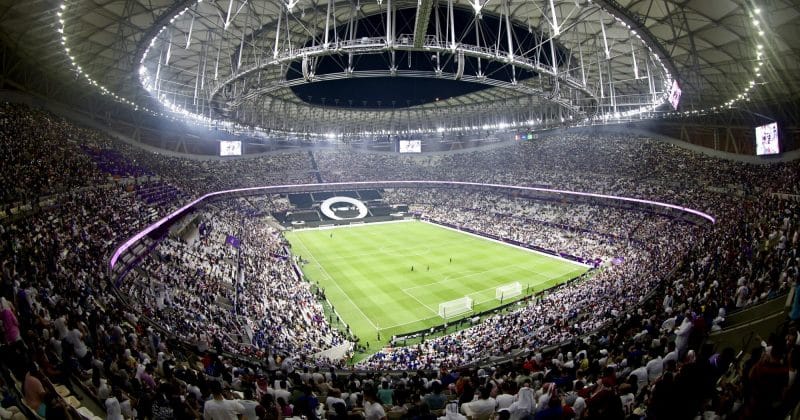
World Cup draws big crowds and ratings, defying critics who warned about ticket prices
The 2026 FIFA World Cup is shattering attendance and viewership records while crypto exchange Kraken rides the wave as an official tournament sponsor
The 2026 FIFA World Cup is less than a week old and already rewriting the record books. The tournament, co-hosted by the US, Canada, and Mexico, set a single-day attendance record of 281,223 fans across four matches on June 16, pushing cumulative attendance past 1.3 million after just six days of play.
For context, that pace puts the tournament on a collision course with the all-time World Cup attendance record of roughly 3.59 million, set when the US last hosted in 1994.
The numbers tell the story
Through the tournament’s opening stretch, matches have averaged approximately 65,483 fans per game. Fill rates have been reported at 99% for most venues.
The viewership numbers are even more striking. The US opener against Paraguay drew 27.5 million average viewers, setting a new record for soccer broadcasts in the country.
These figures arrived despite months of hand-wringing about ticket prices. FIFA’s dynamic pricing model, which adjusts costs based on demand, drew sharp criticism from fans who watched prices climb well beyond what previous World Cups charged. FIFA also retains a 30% fee on resales through its own platform.
Early ticket allocations sold out quickly, and while some lower-profile matches have shown scattered vacant seats, the overall picture is one of overwhelming demand.
The news moving money, markets, and the world—before your day starts.
Daily. Free. Join 34,000+ readers across crypto, finance, and policy.
Crypto enters the stadium
Kraken was named the Official Crypto Exchange Supporter of the FIFA World Cup 2026 on June 9, making it one of the highest-profile sports sponsorships in crypto exchange history.
Coinbase had its Super Bowl moment in 2022. FTX plastered its name on an NBA arena before its collapse. Kraken’s FIFA deal is a different animal entirely, both in scale and in timing.
FIFA has projected revenues of approximately $9 billion from the tournament.
What this means for investors
Kraken’s sponsorship isn’t just a marketing play. It’s a signal about where the industry sees its next wave of user acquisition coming from: mainstream entertainment rather than crypto-native channels.
In 2026, the conversation has centered on dynamic pricing and digital ticketing infrastructure. Both areas represent natural use cases for blockchain technology, from transparent pricing mechanisms to verifiable ticket authenticity that could eliminate the counterfeit ticket market that plagues major events.