
2026 World Cup final brings Trump, Messi, and a halftime show but crypto is nowhere to be found
The biggest sporting event of the year features presidents, pop stars, and zero blockchain integrations, a notable absence for an industry chasing mainstream adoption.
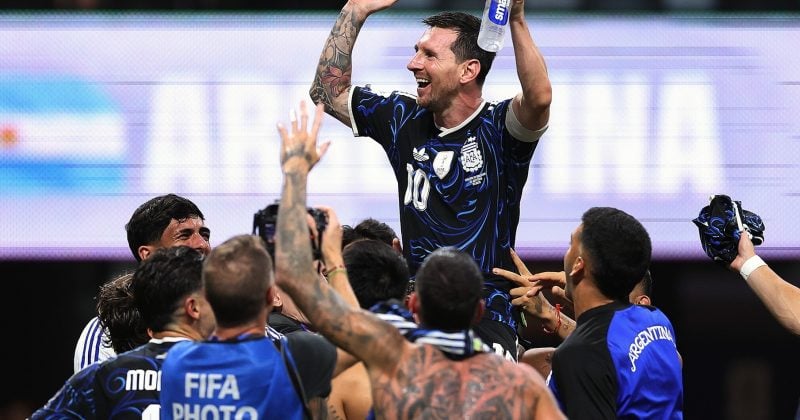
The 2026 FIFA World Cup final is shaping up to be the most spectacle-heavy match in tournament history. Argentina versus Spain, Lionel Messi chasing another title, President Donald Trump handing over the trophy, and a halftime show headlined by Madonna, Justin Bieber, Shakira, and BTS. It has everything, except any meaningful crypto presence whatsoever.
The biggest stage, and crypto didn’t get a ticket
The final kicks off July 19, 2026, at 3:00 p.m. ET inside MetLife Stadium in East Rutherford, New Jersey. The expanded 48-team tournament, co-hosted by Canada, Mexico, and the United States, represents the largest World Cup ever staged.
Argentina, the defending champions, will lean on Messi in what could be his final major international tournament. Spain, one of Europe’s most technically gifted squads, stands on the other side.
Trump is expected to attend and participate in the trophy presentation and related ceremonies. He has publicly praised both Messi and the tournament’s organization during public receptions in New York.
Then there’s the halftime show. This is a first for the World Cup. FIFA has historically kept finals ceremonies modest compared to, say, the Super Bowl. Not this time. Madonna, Justin Bieber, Shakira, and BTS will perform during a dedicated halftime entertainment segment designed to blur the line between sporting event and cultural moment.
There are no reported crypto sponsors, no NFT integrations, no blockchain-based ticketing partnerships, and no fan token activations tied to the final.
The news moving money, markets, and the world—before your day starts.
Daily. Free. Join 34,000+ readers across crypto, finance, and policy.
What happened to crypto’s sports obsession
The 2022 World Cup in Qatar saw Crypto.com as an official sponsor. FTX had its name plastered across the Miami Heat’s arena before, well, everything went sideways. Binance, Coinbase, and a parade of exchanges were spending aggressively on sports partnerships as recently as 2022 and early 2023.
Fan tokens from platforms like Socios let supporters of clubs like Barcelona and Paris Saint-Germain buy governance-lite digital assets tied to their favorite teams.
Then the bear market arrived, FTX collapsed, and regulators started asking pointed questions. Sponsorship budgets evaporated. Several exchanges pulled back from naming rights deals or let them quietly expire.
Why this matters for the digital asset industry
FIFA is one of the most commercially aggressive organizations in global sports. If crypto companies were offering serious sponsorship dollars with acceptable reputational risk, FIFA would almost certainly take them. The fact that no such deal materialized suggests one of two things: either crypto firms aren’t spending at 2021-2022 levels on sports marketing, or FIFA and its partners have decided the category carries too much brand risk post-FTX.
The Super Bowl, once dubbed the “Crypto Bowl” in 2022 when multiple exchanges ran splashy ads, has similarly seen digital asset advertisers retreat.
Bitcoin ETFs pulled in billions without a single Super Bowl commercial in 2024 and 2025. Institutional adoption has accelerated through financial products, not jersey patches.