
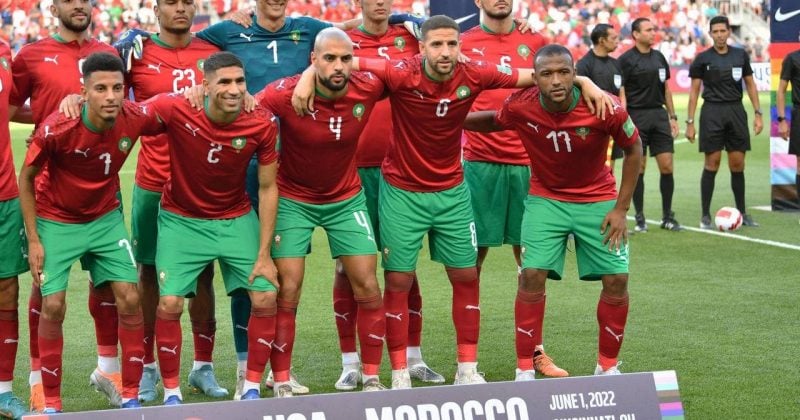
World Cup quarterfinal between France and Morocco drives $4.49M in crypto prediction market volume
The biggest sporting event on the planet is becoming a proving ground for crypto prediction markets and exchange partnerships, with Polymarket and Kraken leading the charge.
A World Cup quarterfinal is always high stakes. When it involves two nations whose diplomatic relationship has undergone a dramatic thaw, played in a US city under heightened security protocols, the intensity ratchets up further.
Polymarket has recorded approximately $4.49 million in total trading volume on the France vs. Morocco quarterfinal matchup, scheduled for July 9, 2026. France is currently favored at around 61.5%.
The match, the diplomacy, and the security perimeter
France and Morocco last met at a World Cup in the 2022 semifinals in Qatar, where France won 2-0.
President Emmanuel Macron formally recognized Morocco’s autonomy plan for Western Sahara during a state visit to Rabat in October 2024. That diplomatic move, preceded by a letter in July 2024, effectively ended years of tension between the two countries. Macron described a deep connection between the nations “that stretches back to time immemorial.”
French cities including Toulouse have implemented reinforced Vigipirate perimeters, bag checks, and fan-zone controls ahead of the match, reflecting broader concerns around securing large international events.
Crypto’s growing footprint at the World Cup
Kraken has been named the official crypto exchange for the 2026 FIFA World Cup, a partnership that puts a major centralized exchange in front of billions of viewers worldwide.
The Chiliz ecosystem, which powers fan tokens for numerous sports teams and leagues, has seen elevated trading volumes during the World Cup’s knockout stages. Chiliz operates the Socios platform, which lets fans purchase tokens tied to their favorite clubs and, in some cases, participate in governance decisions like jersey designs or matchday experiences.
Neither the French nor the Moroccan national teams currently have active fan tokens trading on major platforms. Paris Saint-Germain has a fan token. The French Football Federation does not.
What prediction market volumes reveal
The $4.49 million in Polymarket volume on a single quarterfinal match deserves some context. Prediction markets differ from traditional sports betting in a few critical ways. They operate on blockchain rails, settle transparently, and don’t require a centralized bookmaker to set odds. When 61.5% of the money backs France, that’s not a pundit’s opinion. That’s aggregated financial conviction.
What investors should be watching
The Chiliz ecosystem and its CHZ token bear monitoring. Rising knockout-stage volumes suggest that World Cup intensity drives measurable on-chain activity. If Chiliz or a competitor moves to launch national team tokens, that could unlock a new tier of demand that club-level tokens haven’t fully captured.
Kalshi, the CFTC-regulated prediction market, has been expanding its event contracts as well. The regulatory landscape in the US remains in flux, but sustained volume growth during events like the World Cup strengthens the case that prediction markets are a durable crypto use case.
The risk side of the equation is equally real. Regulatory crackdowns on crypto gambling products could dampen volumes quickly. Fan tokens have historically been volatile and have faced criticism for lacking substantive utility beyond speculative trading.