
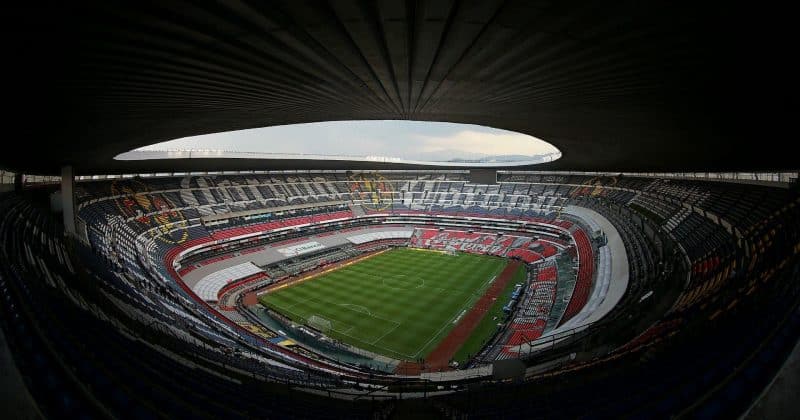
World Cup drama at Estadio Azteca highlights why sports betting tokens and fan engagement platforms are watching closely
Mexico's comeback attempt against England in a thrilling 2026 FIFA World Cup match underscores the growing intersection of global football and crypto-powered fan economies
Raúl Jiménez buried a 69th-minute penalty past England’s goalkeeper at Estadio Azteca on July 5, pulling Mexico within one goal at 2-3 in what has become one of the most electric matches of the 2026 FIFA World Cup. The foul that led to the spot kick came from England captain Harry Kane, and the resulting goal marked Jiménez’s second of the tournament.
England came out swinging, building a 2-0 lead that looked comfortable enough to start planning the post-match press conference. Mexico had other ideas. Julián Quiñones pulled one back for El Tri, injecting life into a stadium that needed no encouragement. Then Jiménez stepped up from twelve yards after Kane’s foul, converting with the kind of composure that belies the pressure of a World Cup knockout-stage atmosphere.
Why crypto cares about the World Cup
The intersection of professional football and blockchain technology has matured considerably since the last World Cup cycle. Fan tokens, which give holders voting rights on minor club decisions and access to exclusive content, have become a multi-hundred-million-dollar market segment.
Platforms like Chiliz and Socios have signed partnerships with major football federations and clubs across Europe and Latin America. During high-drama matches, trading volumes on fan tokens tend to spike in direct correlation with on-pitch excitement.
The news moving money, markets, and the world—before your day starts.
Daily. Free. Join 34,000+ readers across crypto, finance, and policy.
Decentralized prediction markets and crypto-native sportsbooks have positioned the 2026 World Cup as their marquee event. Protocols built on Ethereum, Polygon, and Solana have reported significant upticks in wagering activity around tournament matches, particularly those with volatile scorelines.
NFT ticketing is the quieter revolution happening at this World Cup. FIFA has experimented with blockchain-based ticket verification in prior tournaments, and the 2026 edition, spread across three countries, has amplified the logistical case for on-chain ticketing solutions.
What this means for investors watching the space
Chiliz dominates the fan token market, but newer entrants are trying to carve out niches around specific leagues and federations. The risk, as always, is regulatory. Sports betting faces a patchwork of laws across the US, Mexico, and Canada. Crypto-native sportsbooks operate in legal gray zones in many jurisdictions, and a high-profile World Cup could attract exactly the kind of regulatory scrutiny that forces platforms to geo-fence or shut down entirely.