
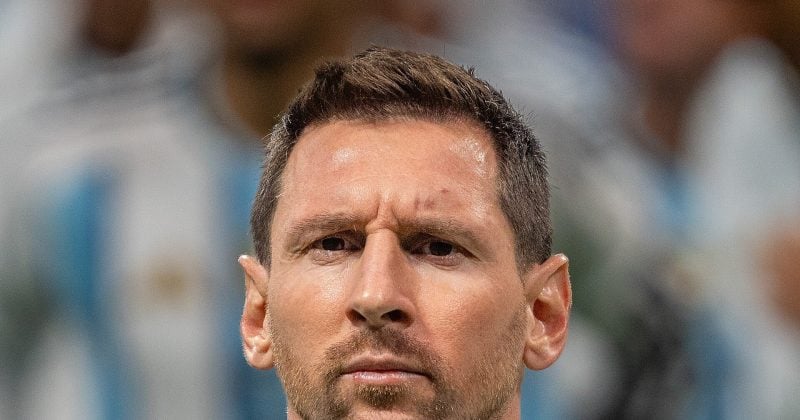
World Cup semi-final between Argentina and England could draw 950 million viewers, and crypto is nowhere to be found

World Cup semi-final between Argentina and England could draw 950 million viewers, and crypto is nowhere to be found

The most-watched match of the 2026 tournament highlights a growing gap between traditional sports sponsorship and the digital asset industry

England versus Argentina. A World Cup semi-final. An estimated 950 million people watching. That’s roughly one in eight humans on Earth tuning in to a single football match in Atlanta this July.

To put that number in perspective, the Super Bowl, America’s undisputed television crown jewel, typically draws around 115 million viewers. This semi-final is expected to pull roughly eight times that audience.

The beautiful game’s biggest stage

The FIFA World Cup 2026, co-hosted by the US, Mexico, and Canada, has been building toward this moment. England and Argentina are set to meet in Atlanta, Georgia, in what organizers and broadcasters expect will be the tournament’s marquee event.

England’s last World Cup final appearance was in 1966. Argentina enters as a recent champion. Lionel Messi may be making his final World Cup run. On the other side, Jude Bellingham represents England’s new generation of world-class talent.

Advertisement

Argentina’s group-stage matches already demonstrated the country’s obsessive relationship with the tournament, with TV ratings showing over 90% market share for certain games.

Fox Sports, which holds US broadcast rights, has already seen record viewership numbers during the tournament’s earlier rounds. Previous quarterfinal matches set new benchmarks for the network, and a semi-final featuring two of football’s most storied nations is expected to shatter those figures.

The BBC is preparing similarly robust coverage for UK audiences, where England matches routinely become the most-watched broadcasts of the year.

Where did all the crypto sponsors go?

Rewind to 2022, and the crypto industry was spending money on sports sponsorships like a lottery winner at a car dealership. FTX had its name on the Miami Heat’s arena. Crypto.com bought naming rights to the Staples Center in Los Angeles. Coinbase ran a Super Bowl ad that was literally just a QR code bouncing around the screen.

The 2022 FIFA World Cup in Qatar featured Crypto.com as an official sponsor. Algorand signed a deal with FIFA itself.

Fast forward to the 2026 tournament’s biggest match, and the coverage is dominated entirely by traditional sports and media entities. No crypto tokens. No blockchain-related sponsorships. No NFT ticket integrations making headlines.

The crypto sponsorship blitz of 2021-2022 was fueled by a bull market that made marketing budgets feel infinite. Then FTX collapsed, regulatory scrutiny intensified, and suddenly putting your crypto brand on a stadium felt less like savvy marketing and more like a reminder of an industry’s excesses.

Disclosure: This article was edited by Editorial Team. For more information on how we create and review content, see our Editorial Policy.

World Cup semi-final between Argentina and England could draw 950 million viewers, and crypto is nowhere to be found

World Cup semi-final between Argentina and England could draw 950 million viewers, and crypto is nowhere to be found

The most-watched match of the 2026 tournament highlights a growing gap between traditional sports sponsorship and the digital asset industry

England versus Argentina. A World Cup semi-final. An estimated 950 million people watching. That’s roughly one in eight humans on Earth tuning in to a single football match in Atlanta this July.

To put that number in perspective, the Super Bowl, America’s undisputed television crown jewel, typically draws around 115 million viewers. This semi-final is expected to pull roughly eight times that audience.

The beautiful game’s biggest stage

The FIFA World Cup 2026, co-hosted by the US, Mexico, and Canada, has been building toward this moment. England and Argentina are set to meet in Atlanta, Georgia, in what organizers and broadcasters expect will be the tournament’s marquee event.

England’s last World Cup final appearance was in 1966. Argentina enters as a recent champion. Lionel Messi may be making his final World Cup run. On the other side, Jude Bellingham represents England’s new generation of world-class talent.

Advertisement

Argentina’s group-stage matches already demonstrated the country’s obsessive relationship with the tournament, with TV ratings showing over 90% market share for certain games.

Fox Sports, which holds US broadcast rights, has already seen record viewership numbers during the tournament’s earlier rounds. Previous quarterfinal matches set new benchmarks for the network, and a semi-final featuring two of football’s most storied nations is expected to shatter those figures.

The BBC is preparing similarly robust coverage for UK audiences, where England matches routinely become the most-watched broadcasts of the year.

Where did all the crypto sponsors go?

Rewind to 2022, and the crypto industry was spending money on sports sponsorships like a lottery winner at a car dealership. FTX had its name on the Miami Heat’s arena. Crypto.com bought naming rights to the Staples Center in Los Angeles. Coinbase ran a Super Bowl ad that was literally just a QR code bouncing around the screen.

The 2022 FIFA World Cup in Qatar featured Crypto.com as an official sponsor. Algorand signed a deal with FIFA itself.

Fast forward to the 2026 tournament’s biggest match, and the coverage is dominated entirely by traditional sports and media entities. No crypto tokens. No blockchain-related sponsorships. No NFT ticket integrations making headlines.

The crypto sponsorship blitz of 2021-2022 was fueled by a bull market that made marketing budgets feel infinite. Then FTX collapsed, regulatory scrutiny intensified, and suddenly putting your crypto brand on a stadium felt less like savvy marketing and more like a reminder of an industry’s excesses.

Disclosure: This article was edited by Editorial Team. For more information on how we create and review content, see our Editorial Policy.