
Nexo Earn with Nexo
2026 World Cup highlights tensions between US, Mexico, and Canada as crypto partnerships quietly thrive

2026 World Cup highlights tensions between US, Mexico, and Canada as crypto partnerships quietly thrive

The tournament meant to symbolize North American unity has instead become a backdrop for tariff disputes and trade renegotiations, while FIFA's blockchain and crypto integrations roll on undisturbed.

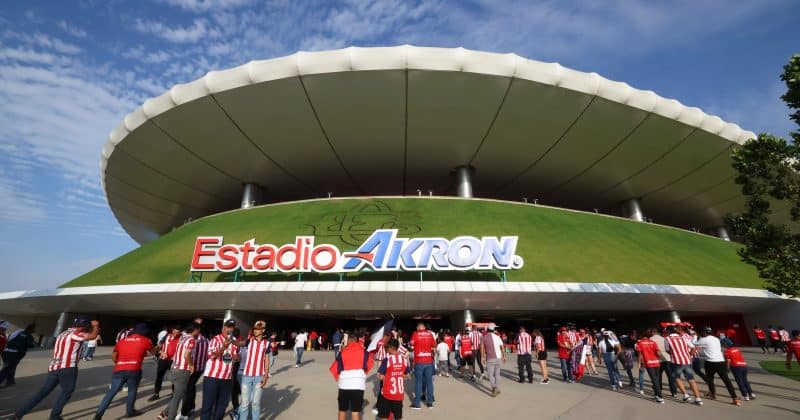
The 2026 FIFA World Cup kicked off on June 11 across 16 cities in the US, Mexico, and Canada.

A tournament wrapped in trade wars

The backdrop to this tournament includes ongoing US tariffs that have strained relationships with both Mexico and Canada. The potential renegotiation of the USMCA trade agreement, the trilateral deal that governs North American commerce, has added another layer of uncertainty to an already tense dynamic.

Comments about Canada potentially becoming the “51st state” haven’t exactly fostered the warm, collaborative spirit that FIFA envisioned when it awarded the tournament to the three-nation bid.

Mexico City’s iconic Estadio Azteca underwent a renovation costing nearly $200 million, expanding its capacity to 87,500 spectators.

Advertisement

FIFA’s crypto play rolls on

On June 9, just two days before the opening match, FIFA announced Kraken as the Official Crypto Exchange Supporter of the 2026 World Cup.

The FIFA Blockchain, which handles digital collectibles and ticket NFTs for the tournament, is powered by Avalanche.

Chainlink and Chiliz have both been mentioned in the broader World Cup crypto ecosystem, though their specific roles are less prominently defined than those of Kraken and Avalanche.

What this means for crypto investors

For Avalanche specifically, powering the FIFA Blockchain during an active World Cup is a real-world stress test. Investors watching AVAX should be tracking transaction throughput and network performance during the event.

Kraken’s positioning as the Official Crypto Exchange Supporter gives it brand exposure to an audience that dwarfs typical crypto conferences. The 2022 World Cup in Qatar drew an estimated cumulative global audience of over 5 billion viewers.

Geopolitical tensions between the host nations could create regulatory uncertainty that spills into digital asset policy. Canada and Mexico have both taken distinct regulatory approaches to digital assets, and a deterioration in trilateral relations could make cross-border crypto operations more complicated.

Tokens associated with fan engagement, particularly Chiliz and its ecosystem, historically see activity bumps during major sporting events.

Disclosure: This article was edited by Editorial Team. For more information on how we create and review content, see our Editorial Policy.

2026 World Cup highlights tensions between US, Mexico, and Canada as crypto partnerships quietly thrive

2026 World Cup highlights tensions between US, Mexico, and Canada as crypto partnerships quietly thrive

The tournament meant to symbolize North American unity has instead become a backdrop for tariff disputes and trade renegotiations, while FIFA's blockchain and crypto integrations roll on undisturbed.

The 2026 FIFA World Cup kicked off on June 11 across 16 cities in the US, Mexico, and Canada.

A tournament wrapped in trade wars

The backdrop to this tournament includes ongoing US tariffs that have strained relationships with both Mexico and Canada. The potential renegotiation of the USMCA trade agreement, the trilateral deal that governs North American commerce, has added another layer of uncertainty to an already tense dynamic.

Comments about Canada potentially becoming the “51st state” haven’t exactly fostered the warm, collaborative spirit that FIFA envisioned when it awarded the tournament to the three-nation bid.

Mexico City’s iconic Estadio Azteca underwent a renovation costing nearly $200 million, expanding its capacity to 87,500 spectators.

Advertisement

FIFA’s crypto play rolls on

On June 9, just two days before the opening match, FIFA announced Kraken as the Official Crypto Exchange Supporter of the 2026 World Cup.

The FIFA Blockchain, which handles digital collectibles and ticket NFTs for the tournament, is powered by Avalanche.

Chainlink and Chiliz have both been mentioned in the broader World Cup crypto ecosystem, though their specific roles are less prominently defined than those of Kraken and Avalanche.

What this means for crypto investors

For Avalanche specifically, powering the FIFA Blockchain during an active World Cup is a real-world stress test. Investors watching AVAX should be tracking transaction throughput and network performance during the event.

Kraken’s positioning as the Official Crypto Exchange Supporter gives it brand exposure to an audience that dwarfs typical crypto conferences. The 2022 World Cup in Qatar drew an estimated cumulative global audience of over 5 billion viewers.

Geopolitical tensions between the host nations could create regulatory uncertainty that spills into digital asset policy. Canada and Mexico have both taken distinct regulatory approaches to digital assets, and a deterioration in trilateral relations could make cross-border crypto operations more complicated.

Tokens associated with fan engagement, particularly Chiliz and its ecosystem, historically see activity bumps during major sporting events.

Disclosure: This article was edited by Editorial Team. For more information on how we create and review content, see our Editorial Policy.