
The 2026 World Cup’s VAR controversies highlight why sports betting markets are getting harder to predict
FIFA's new connected ball technology and inconsistent refereeing decisions are creating chaos for prediction markets and sports betting platforms built on crypto rails.
The 2026 World Cup, hosted across the US, Canada, and Mexico, ranks the eleven most controversial refereeing decisions of the tournament, and the list reads like a case study in inconsistent officiating driven by new technology.
At the center of the controversy is FIFA’s new “Connected Ball Technology,” powered by the Adidas Trionda match ball. The ball contains embedded Inertial Measurement Unit sensors that feed data directly to VAR officials in real time.
Germany learned this the hard way in the Round of 32 against Paraguay. Jonathan Tah’s extra-time goal would have sent Germany through. Instead, VAR concluded that teammate Waldemar Anton obstructed the goalkeeper, and the goal was wiped off the board. Germany lost on penalties.
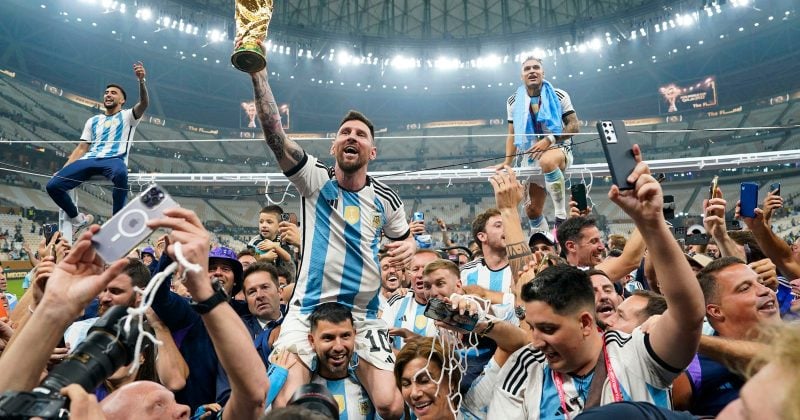
Egypt’s Round of 16 match against Argentina produced perhaps the most politically charged moment. Egypt had a potential equalizer ruled out in what became a 3-2 defeat. Egyptian coach Hossam Hassan publicly suggested that bias toward Lionel Messi influenced the officiating.
The news moving money, markets, and the world—before your day starts.
Daily. Free. Join 34,000+ readers across crypto, finance, and policy.
Croatia got hit too. Their equalizer against Portugal was disallowed, with officials citing precision data from the Connected Ball Technology as justification.
FIFA has defended its officials, pointing to pre-tournament guidelines regarding blocking incidents as justification for the controversial calls.