
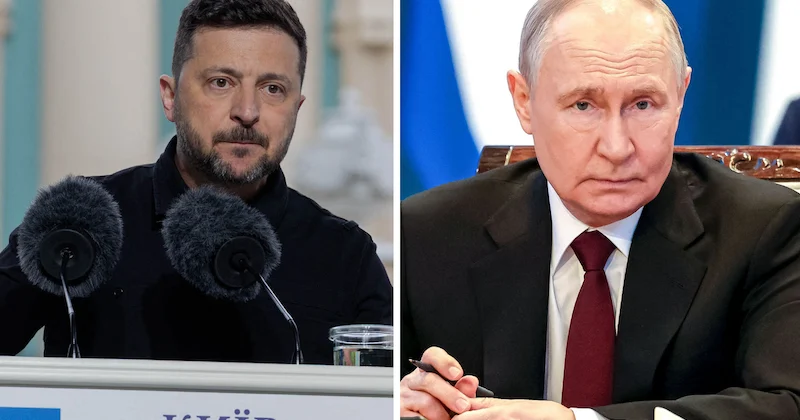
Zelenskiy invites Putin to direct talks in open letter, gets rejected within 24 hours
Ukraine's president proposed a face-to-face meeting with a full ceasefire, but Moscow dismissed it as pointless, leaving crypto markets watching geopolitical risk from the sidelines.
Ukrainian President Volodymyr Zelenskiy published an open letter on June 4 addressed directly to Russian President Vladimir Putin, proposing a face-to-face meeting in a neutral third country to negotiate an end to the war. He offered a full ceasefire for the duration of any talks.
Putin’s answer arrived roughly 24 hours later. He said he saw “no point” in meeting.
What Zelenskiy actually proposed
The open letter represents one of the few direct public appeals from Zelenskiy to Putin since Russia launched its full-scale invasion of Ukraine in February 2022. Direct communication between the two leaders has been virtually nonexistent for years.
Zelenskiy’s core offer was straightforward: meet in a neutral country, halt military operations while negotiations proceed, and attempt to find a diplomatic resolution. He also made clear that if talks failed, Ukraine would resume fighting.
Putin’s dismissal cited ongoing military actions as the reason a meeting would serve no purpose, effectively arguing that the battlefield, not the negotiating table, is where this conflict gets resolved.
Why this matters beyond the battlefield
Neither Zelenskiy’s letter nor Putin’s response contained any reference to cryptocurrency, blockchain, or digital assets. That absence is itself informative. It suggests that at the highest levels of this conflict, digital finance isn’t yet part of the negotiating framework, even as it plays an increasingly significant role in how both nations manage sanctions, fundraising, and cross-border payments.
What crypto investors should watch
The sanctions landscape is another variable worth tracking. The existing sanctions regime against Russia has created a complex web of financial restrictions that touch everything from SWIFT access to energy exports. Any negotiation, even a failed one, could lead to discussions about sanctions relief. And sanctions relief would reduce one of the key regulatory pressures that has shaped crypto compliance frameworks in Europe and the US over the past four years.