
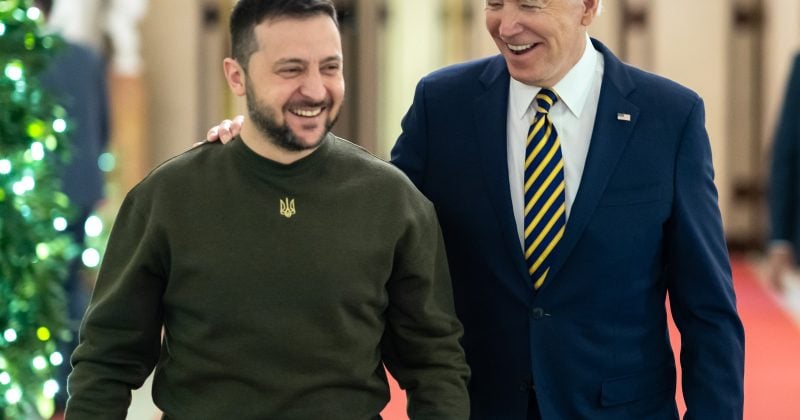
Zelenskyy dismisses Ukraine’s prime minister in latest wartime cabinet shake-up
The reshuffle signals shifting political priorities in Kyiv, with potential ripple effects for investors watching eastern European reconstruction and digital asset adoption
Ukrainian President Volodymyr Zelenskyy has dismissed Prime Minister Yuliia Svyrydenko as part of a sweeping cabinet reshuffle announced on July 12. The move, which also included leadership changes across law enforcement agencies, marks the latest in a series of government overhauls since Russia’s full-scale invasion began in 2022.
Zelenskyy publicly thanked Svyrydenko for her service while framing the changes as necessary to align with what he called a new political strategy. She had held the position since July 17, 2025, making her tenure just under a year.
A government that keeps reshuffling itself
Svyrydenko originally replaced Denys Shmyhal, whose five-year run as prime minister was the longest in modern Ukrainian history. Shmyhal served from 2020 to 2025, navigating the country through both the initial COVID-era challenges and the devastating early years of the war with Russia.
Previous reshuffles have already moved key figures around the cabinet. Mykhailo Fedorov, for instance, was shifted into defense responsibilities from Svyrydenko’s portfolio in an earlier round of changes.
Macro, rates, and crypto—what moved markets and what matters next.
Daily. Free. Join 34,000+ readers across crypto, finance, and policy.
Ukraine has been engaged in continuous political restructuring focused on two core objectives: combating internal corruption and adapting governance to meet the shifting demands of a prolonged conflict and complex international relationships.
The crypto angle, or lack thereof
Ukraine was once a darling of the crypto world. In the early days of the 2022 invasion, the government famously accepted cryptocurrency donations to fund its defense, turning blockchain into a geopolitical tool in real time. The country had also been working on digital asset regulation and central bank digital currency exploration before the war reshaped every priority.
This latest reshuffle contains no signals whatsoever about digital asset policy. No new appointments with blockchain backgrounds. No policy statements touching crypto regulation. No mention of tokenized reconstruction bonds or digital currency frameworks.