
Nexo Earn with Nexo
9z eliminates The MongolZ to secure IEM Cologne playoffs as crypto sponsors vanish from esports’ biggest stage

9z eliminates The MongolZ to secure IEM Cologne playoffs as crypto sponsors vanish from esports’ biggest stage

The South American squad pulled off another upset at the $1.25 million Counter-Strike major, where traditional brands have quietly replaced crypto sponsors entirely

9z, the South American Counter-Strike squad that most viewers had penciled in as an early exit, just punched their ticket to the IEM Cologne Major 2026 playoffs by eliminating The MongolZ in a Stage 3 Swiss-system match.

A South American team on a historic run

The win over The MongolZ wasn’t even the most impressive result on 9z’s resume this tournament. Earlier in the event, they knocked off the world-ranked No. 1 Team Vitality with a 2-1 scoreline, a result that sent shockwaves through the Counter-Strike community.

The IEM Cologne Major 2026, which kicked off on June 15, 2026, carries a $1.25 million prize pool. That makes it one of the most lucrative stops on the Counter-Strike calendar and the kind of tournament where deep runs translate directly into organizational revenue and player market value.

Advertisement

Where did all the crypto sponsors go?

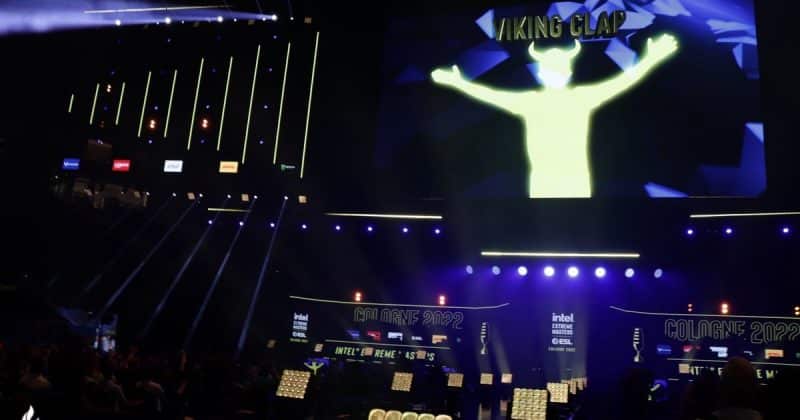
Here’s the thing about IEM Cologne 2026 that should matter to anyone in the crypto space: there are zero cryptocurrency sponsors. No Web3 partnerships. No token integrations. No NFT sideshows.

During the 2021-2022 boom, crypto exchanges and blockchain projects were throwing money at esports organizations like confetti at a parade. FTX, Crypto.com, and a long list of now-defunct platforms once plastered their logos across jerseys, tournament broadcasts, and arena signage.

The 2026 edition has seen traditional brands reclaim that real estate entirely. The only blockchain-adjacent presence at the event comes from prediction market platforms like Polymarket and Kalshi, which have seen trading volume around match outcomes.

What this means for crypto’s role in entertainment

Regulatory pressure and tighter marketing budgets have made the kind of splashy esports deals that defined the bull market era unsustainable. Tournament organizers and teams have rebuilt relationships with conventional advertisers who come with less reputational risk.

Platforms like Polymarket and Kalshi represent the kind of blockchain-adjacent utility that survives regardless of sponsorship trends. Match outcome betting is a natural use case for on-chain prediction markets, and sustained trading volume around events like IEM Cologne suggests there’s durable demand even without formal partnerships.

Disclosure: This article was edited by Editorial Team. For more information on how we create and review content, see our Editorial Policy.

9z eliminates The MongolZ to secure IEM Cologne playoffs as crypto sponsors vanish from esports’ biggest stage

9z eliminates The MongolZ to secure IEM Cologne playoffs as crypto sponsors vanish from esports’ biggest stage

The South American squad pulled off another upset at the $1.25 million Counter-Strike major, where traditional brands have quietly replaced crypto sponsors entirely

9z, the South American Counter-Strike squad that most viewers had penciled in as an early exit, just punched their ticket to the IEM Cologne Major 2026 playoffs by eliminating The MongolZ in a Stage 3 Swiss-system match.

A South American team on a historic run

The win over The MongolZ wasn’t even the most impressive result on 9z’s resume this tournament. Earlier in the event, they knocked off the world-ranked No. 1 Team Vitality with a 2-1 scoreline, a result that sent shockwaves through the Counter-Strike community.

The IEM Cologne Major 2026, which kicked off on June 15, 2026, carries a $1.25 million prize pool. That makes it one of the most lucrative stops on the Counter-Strike calendar and the kind of tournament where deep runs translate directly into organizational revenue and player market value.

Advertisement

Where did all the crypto sponsors go?

Here’s the thing about IEM Cologne 2026 that should matter to anyone in the crypto space: there are zero cryptocurrency sponsors. No Web3 partnerships. No token integrations. No NFT sideshows.

During the 2021-2022 boom, crypto exchanges and blockchain projects were throwing money at esports organizations like confetti at a parade. FTX, Crypto.com, and a long list of now-defunct platforms once plastered their logos across jerseys, tournament broadcasts, and arena signage.

The 2026 edition has seen traditional brands reclaim that real estate entirely. The only blockchain-adjacent presence at the event comes from prediction market platforms like Polymarket and Kalshi, which have seen trading volume around match outcomes.

What this means for crypto’s role in entertainment

Regulatory pressure and tighter marketing budgets have made the kind of splashy esports deals that defined the bull market era unsustainable. Tournament organizers and teams have rebuilt relationships with conventional advertisers who come with less reputational risk.

Platforms like Polymarket and Kalshi represent the kind of blockchain-adjacent utility that survives regardless of sponsorship trends. Match outcome betting is a natural use case for on-chain prediction markets, and sustained trading volume around events like IEM Cologne suggests there’s durable demand even without formal partnerships.

Disclosure: This article was edited by Editorial Team. For more information on how we create and review content, see our Editorial Policy.