
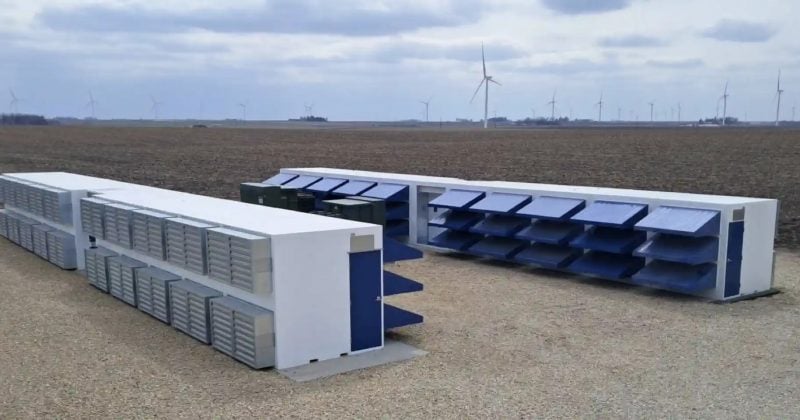
Hydropower overtakes natural gas as Bitcoin mining’s top energy source
Low-carbon energy now powers nearly 60% of Bitcoin mining as the industry's sustainability profile quietly transforms
Bitcoin mining just hit a milestone that would have seemed unlikely a few years ago: hydropower has surpassed natural gas to become the single largest energy source powering the Bitcoin network, according to data from the Cambridge Centre for Alternative Finance.
The shift is part of a broader trend that has seen low-carbon energy sources climb to 59.4% of Bitcoin mining’s total energy mix, up from 52.4% as previously reported by CCAF in April 2025.
The numbers behind the green shift
Electricity consumption for Bitcoin mining surged by an estimated 38% over the 18-month period from June 2024 to December 2025. Annual consumption now sits at approximately 190 terawatt-hours (TWh).
Yet total emissions from Bitcoin mining only increased by about 20% during the same period, despite the dramatic rise in power usage.
Why this matters beyond the green narrative
The environmental critique of Bitcoin has been one of the most durable arguments against its mainstream adoption. Elon Musk famously suspended Tesla’s Bitcoin payment option in 2021 over energy concerns. ESG-focused institutional investors have kept the asset at arm’s length for similar reasons. Central banks and regulators have repeatedly cited environmental costs when justifying tighter scrutiny of crypto mining.
The news moving money, markets, and the world—before your day starts.
Daily. Free. Join 34,000+ readers across crypto, finance, and policy.
What this means for investors
The sustainability improvement has several practical implications for anyone with exposure to Bitcoin or mining equities.
First, regulatory risk decreases as the environmental argument weakens. Lawmakers in the US and EU have repeatedly floated proposals targeting crypto mining’s energy usage, from special taxes to outright bans on proof-of-work mining. A mining industry that can credibly claim nearly 60% clean energy usage is a harder target for those proposals.
Second, institutional adoption gets easier. Large asset managers and pension funds operating under ESG mandates have been hesitant to allocate to Bitcoin partly because of the energy narrative.
Third, mining economics become more predictable. Hydropower contracts tend to be more stable in pricing than natural gas, which is subject to geopolitical volatility and seasonal fluctuations. That stability matters for companies like Marathon Digital, Riot Platforms, and CleanSpark, whose stock prices are heavily influenced by their energy cost structures.