
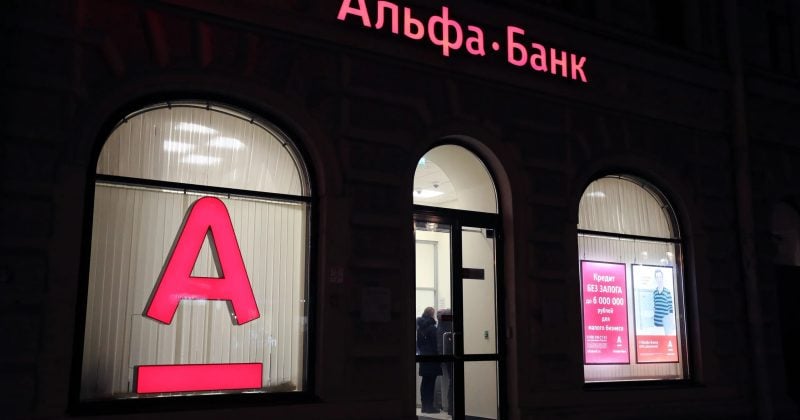
Alfa Bank plans to launch digital depository for crypto services by mid-2026
Russia's largest private bank is building regulated custody infrastructure as the country's crypto legal framework takes shape
Russia’s largest private bank is getting into crypto, and it’s doing it the way a bank would: methodically, with compliance features baked in from the start.
Alfa-Bank has announced plans to establish a licensed digital depository, targeting an operational launch by July 9, 2026. The platform will offer custody services, transaction monitoring, and the ability to block transfers that fall outside compliance parameters, covering both retail and corporate clients.
What Alfa-Bank is actually building
The bank is also developing blockchain-based investment products designed to attract international investors.
Alfa-Bank already has a foothold here. Its A-Token platform has given the bank a leading position in Russia’s digital financial assets market, so this isn’t a cold start. The digital depository announcement is more of an upgrade and formalization of existing digital asset activity rather than a pivot from nowhere.
Russia’s banks are racing to get licensed
Alfa-Bank isn’t alone in this push. Sberbank, Russia’s state-controlled banking giant, has announced parallel plans for its own crypto wallet and digital depository, with a target launch window of December 2026.
The news moving money, markets, and the world—before your day starts.
Daily. Free. Join 34,000+ readers across crypto, finance, and policy.
The timing across both institutions is not a coincidence. Russia has been developing a formal legal framework for digital assets, and major banks appear to be positioning themselves ahead of the regulatory deadline rather than waiting to see how the rules land.
What this means for the broader market
The compliance architecture is worth paying attention to. The ability to block non-compliant transfers is a feature that regulators require but that also has real implications for asset liquidity. Assets in a custodial system with blocking capabilities are, by definition, less portable than self-custodied crypto.
For the international angle, Alfa-Bank’s stated goal of attracting international investors runs into the reality of existing sanctions infrastructure. The bank has been subject to sanctions from multiple Western jurisdictions, which meaningfully limits the universe of international capital that could engage with its platform regardless of how well-designed the product is.
The competitive dynamic between Alfa-Bank and Sberbank will be worth tracking closely. Alfa-Bank has the earlier target date and existing market position through A-Token. Sberbank has the scale and state backing that tends to dominate Russian financial services over time.