
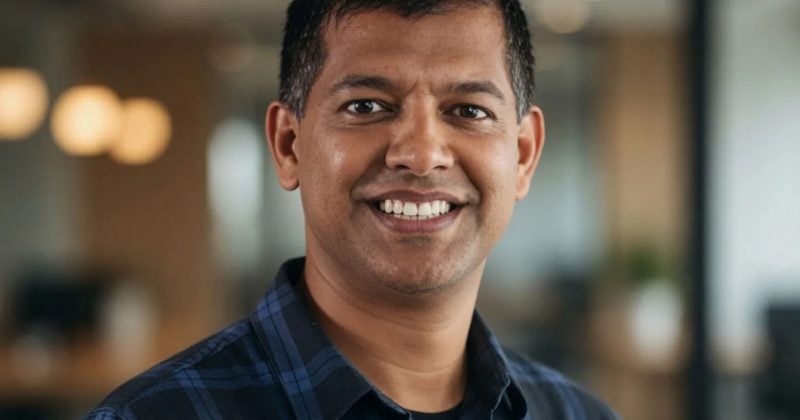
Anthropic’s CFO reveals the company spends most of its compute on research, not customers

Anthropic’s CFO reveals the company spends most of its compute on research, not customers

Krishna Rao says Anthropic is willing to sacrifice billions in near-term revenue to keep its AI models competitive at the frontier.

Most companies allocate their most expensive resources toward the thing that makes money right now. Anthropic is doing the opposite.

In an appearance on the “Invest Like the Best” podcast, Anthropic CFO Krishna Rao laid out the company’s compute allocation strategy in unusual detail. The headline: Anthropic’s internal research team gets the biggest slice of the company’s computing power, even ahead of customer-facing workloads. The logic is counterintuitive but deliberate. Better models today mean more efficient tokens tomorrow, which means more capacity for paying customers down the road.

The math behind giving researchers first dibs

Rao described a system where Anthropic holds daily internal meetings to assess what he calls “return on compute,” essentially a real-time audit of whether each unit of processing power is being deployed where it generates the most value. Those meetings allow rapid reallocation of resources across research projects, customer training jobs, and inference workloads.

Advertisement

Anthropic maintains a strict minimum allocation for research that doesn’t bend to commercial pressure. Rao suggested the company is knowingly leaving billions of dollars in immediate revenue on the table to protect that floor.

Anthropic’s revenue run rate has surged to approximately $30 billion, up from around $9 billion just months earlier.

Three chip architectures, multiple data centers

Rao described an infrastructure built on three distinct chip architectures: AWS Trainium, Google TPUs, and Nvidia GPUs. The multi-architecture approach gives Anthropic the flexibility to shift workloads dynamically based on which hardware is best suited for a particular task at a particular moment.

Anthropic also distributes training runs across multiple data centers, which adds resilience. The company oversees procurement commitments that could exceed $100 billion, a figure that reflects just how capital-intensive frontier AI development has become.

Rao, who joined Anthropic as CFO in May 2024 with nearly two decades of strategic finance experience, appears to be the person tasked with making sure those massive infrastructure bets actually pencil out.

Disclosure: This article was edited by Editorial Team. For more information on how we create and review content, see our Editorial Policy.

Anthropic’s CFO reveals the company spends most of its compute on research, not customers

Anthropic’s CFO reveals the company spends most of its compute on research, not customers

Krishna Rao says Anthropic is willing to sacrifice billions in near-term revenue to keep its AI models competitive at the frontier.

Most companies allocate their most expensive resources toward the thing that makes money right now. Anthropic is doing the opposite.

In an appearance on the “Invest Like the Best” podcast, Anthropic CFO Krishna Rao laid out the company’s compute allocation strategy in unusual detail. The headline: Anthropic’s internal research team gets the biggest slice of the company’s computing power, even ahead of customer-facing workloads. The logic is counterintuitive but deliberate. Better models today mean more efficient tokens tomorrow, which means more capacity for paying customers down the road.

The math behind giving researchers first dibs

Rao described a system where Anthropic holds daily internal meetings to assess what he calls “return on compute,” essentially a real-time audit of whether each unit of processing power is being deployed where it generates the most value. Those meetings allow rapid reallocation of resources across research projects, customer training jobs, and inference workloads.

Advertisement

Anthropic maintains a strict minimum allocation for research that doesn’t bend to commercial pressure. Rao suggested the company is knowingly leaving billions of dollars in immediate revenue on the table to protect that floor.

Anthropic’s revenue run rate has surged to approximately $30 billion, up from around $9 billion just months earlier.

Three chip architectures, multiple data centers

Rao described an infrastructure built on three distinct chip architectures: AWS Trainium, Google TPUs, and Nvidia GPUs. The multi-architecture approach gives Anthropic the flexibility to shift workloads dynamically based on which hardware is best suited for a particular task at a particular moment.

Anthropic also distributes training runs across multiple data centers, which adds resilience. The company oversees procurement commitments that could exceed $100 billion, a figure that reflects just how capital-intensive frontier AI development has become.

Rao, who joined Anthropic as CFO in May 2024 with nearly two decades of strategic finance experience, appears to be the person tasked with making sure those massive infrastructure bets actually pencil out.

Disclosure: This article was edited by Editorial Team. For more information on how we create and review content, see our Editorial Policy.