
Nexo Earn with Nexo
Anthropic co-founder Chris Olah addresses Vatican on AI ethics, warns of labor displacement ‘at very large scale’

Anthropic co-founder Chris Olah addresses Vatican on AI ethics, warns of labor displacement ‘at very large scale’

In a rare break from Vatican protocol, the AI safety researcher stood alongside Pope Leo XIV to urge religious institutions, governments, and civil society to take an active role in overseeing AI development.

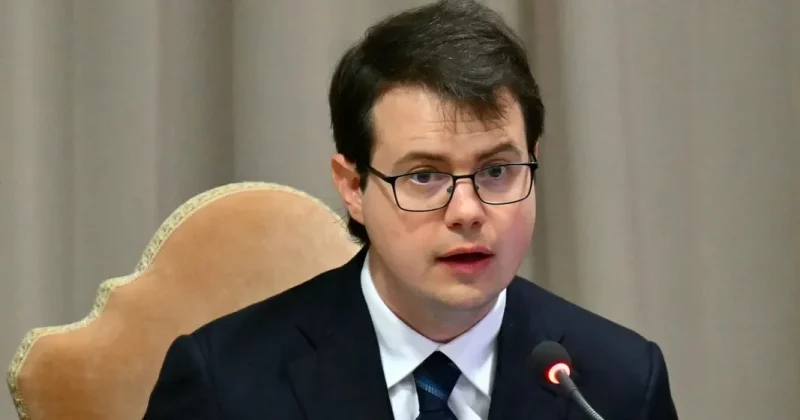
An AI researcher standing next to a pope is not a sentence anyone had on their bingo card. But on May 25, 2026, that’s exactly what happened when Anthropic co-founder Chris Olah delivered an address at the Vatican during the unveiling of Pope Leo XIV’s new encyclical on artificial intelligence and human dignity.

Olah, who leads the mechanistic interpretability team at Anthropic, used the occasion to argue that AI models are far more complex than most people realize. They may even harbor internal states resembling emotions, he said, which raises ethical questions the tech industry alone is not equipped to answer.

What Olah actually said, and why it matters

Olah called for independent guidance from entities outside the tech ecosystem, specifically naming religious institutions, governments, and civil society organizations as necessary counterweights to the industry’s internal momentum. He cited conflicting pressures on AI labs — commercial incentives, competitive dynamics, and the sheer speed of development — as creating blind spots that make those labs unreliable as sole stewards of the technology they’re building.

Advertisement

He also warned that AI has the potential to displace human labor “at very large scale.”

Pope Leo XIV presented his encyclical, titled Magnifica Humanitas, alongside Olah, placing an AI executive on the same stage as a sitting pope during a formal doctrinal event — a break from usual Vatican protocol.

Anthropic’s unusual position in the AI landscape

Anthropic was founded in 2021 by former OpenAI employees who left, in large part, over disagreements about safety priorities.

Olah’s specific role within Anthropic is mechanistic interpretability — the discipline of trying to understand what’s actually happening inside neural networks, rather than just observing their outputs. His assertion that AI models may have internal states similar to emotions stems directly from this work.

The Vatican’s growing role in tech ethics

Magnifica Humanitas is not the Vatican’s first foray into AI policy. The institution established the Interdicasterial Commission on AI in early May 2026, and dialogue between Anthropic and Catholic ethicists over the preceding months set the stage for Olah’s participation in the encyclical’s unveiling. An encyclical represents official papal teaching addressed to the entire Catholic Church, which encompasses over a billion people globally.

The document emphasizes protecting human dignity in the face of rapid technological change, and its language aligns directly with Olah’s remarks about labor displacement.

What this means for investors

The direct involvement of an AI executive in a papal address sends a signal that ethical oversight is becoming a reputational and regulatory factor. When a co-founder of a major AI company publicly states that his own industry cannot be trusted to self-regulate, that’s a data point worth taking seriously. The labor displacement angle introduces additional complexity, as companies that fail to articulate credible strategies for workforce transition risk both regulatory backlash and public sentiment shifts.

Disclosure: This article was edited by Editorial Team. For more information on how we create and review content, see our Editorial Policy.

Anthropic co-founder Chris Olah addresses Vatican on AI ethics, warns of labor displacement ‘at very large scale’

Anthropic co-founder Chris Olah addresses Vatican on AI ethics, warns of labor displacement ‘at very large scale’

In a rare break from Vatican protocol, the AI safety researcher stood alongside Pope Leo XIV to urge religious institutions, governments, and civil society to take an active role in overseeing AI development.

An AI researcher standing next to a pope is not a sentence anyone had on their bingo card. But on May 25, 2026, that’s exactly what happened when Anthropic co-founder Chris Olah delivered an address at the Vatican during the unveiling of Pope Leo XIV’s new encyclical on artificial intelligence and human dignity.

Olah, who leads the mechanistic interpretability team at Anthropic, used the occasion to argue that AI models are far more complex than most people realize. They may even harbor internal states resembling emotions, he said, which raises ethical questions the tech industry alone is not equipped to answer.

What Olah actually said, and why it matters

Olah called for independent guidance from entities outside the tech ecosystem, specifically naming religious institutions, governments, and civil society organizations as necessary counterweights to the industry’s internal momentum. He cited conflicting pressures on AI labs — commercial incentives, competitive dynamics, and the sheer speed of development — as creating blind spots that make those labs unreliable as sole stewards of the technology they’re building.

Advertisement

He also warned that AI has the potential to displace human labor “at very large scale.”

Pope Leo XIV presented his encyclical, titled Magnifica Humanitas, alongside Olah, placing an AI executive on the same stage as a sitting pope during a formal doctrinal event — a break from usual Vatican protocol.

Anthropic’s unusual position in the AI landscape

Anthropic was founded in 2021 by former OpenAI employees who left, in large part, over disagreements about safety priorities.

Olah’s specific role within Anthropic is mechanistic interpretability — the discipline of trying to understand what’s actually happening inside neural networks, rather than just observing their outputs. His assertion that AI models may have internal states similar to emotions stems directly from this work.

The Vatican’s growing role in tech ethics

Magnifica Humanitas is not the Vatican’s first foray into AI policy. The institution established the Interdicasterial Commission on AI in early May 2026, and dialogue between Anthropic and Catholic ethicists over the preceding months set the stage for Olah’s participation in the encyclical’s unveiling. An encyclical represents official papal teaching addressed to the entire Catholic Church, which encompasses over a billion people globally.

The document emphasizes protecting human dignity in the face of rapid technological change, and its language aligns directly with Olah’s remarks about labor displacement.

What this means for investors

The direct involvement of an AI executive in a papal address sends a signal that ethical oversight is becoming a reputational and regulatory factor. When a co-founder of a major AI company publicly states that his own industry cannot be trusted to self-regulate, that’s a data point worth taking seriously. The labor displacement angle introduces additional complexity, as companies that fail to articulate credible strategies for workforce transition risk both regulatory backlash and public sentiment shifts.

Disclosure: This article was edited by Editorial Team. For more information on how we create and review content, see our Editorial Policy.