
Intelligence Bureau warns of anti-tech violent extremism amid AI fears
Internal government reports create a new domestic threat category targeting anti-AI protesters and data center opponents, raising civil liberties questions.
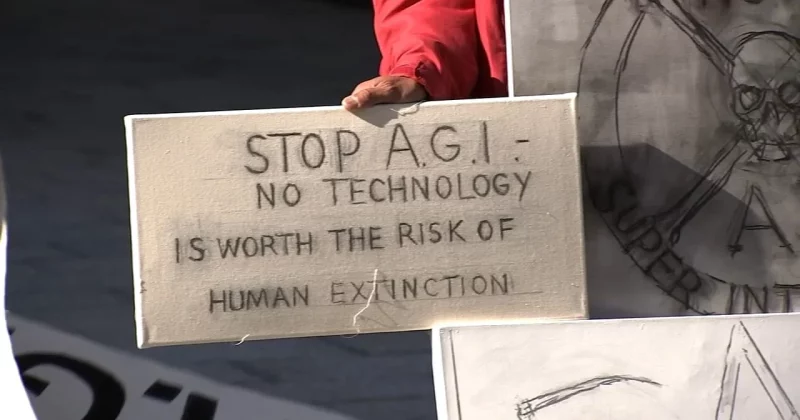
The US federal government is quietly building a new category of domestic extremism. It’s called “anti-tech violent extremism,” and it puts people who oppose artificial intelligence and data center expansion on the same conceptual shelf as other domestic threat actors.
Internal reports from agencies including the New York Intelligence and Counterterrorism Bureau have linked public anxiety over AI’s impact on employment to the potential for large-scale protests and civil unrest, particularly in major urban centers like New York City. The label, first revealed in a WIRED investigation, does not yet appear in any public domestic extremism guides published by the Department of Homeland Security or the FBI.
The fear driving the framework
According to Gallup, 61% of Americans believe AI will eliminate more jobs than it creates. Intelligence officials appear to be drawing a line from that widespread concern to something more dangerous. Their internal assessments flag the possibility that protests over AI deployment and data center construction could escalate into civil unrest.
The reports also reference a specific April 2026 incident involving an attack on the home of Sam Altman, one of AI’s most prominent figures. That event appears to function as a data point justifying the broader threat classification.
Data centers as flashpoints
Local opposition to data centers has been growing across the country, driven by complaints about noise pollution, massive energy consumption, and environmental degradation.
The crypto and markets news you actually need—every morning.
Daily. Free. Join 34,000+ readers across crypto, finance, and policy.
What’s notable is how the new threat framework appears to lump together several distinct groups. Environmentalists worried about power grid strain. Workers anxious about job displacement. Local residents fighting zoning decisions. Technologists raising ethical concerns about AI alignment. Under the umbrella of “anti-tech violent extremism,” these disparate motivations get bundled into a single threat category.
Why this matters for the crypto and tech investment landscape
For crypto investors specifically, there’s an interesting absence in the intelligence reports: digital assets don’t appear anywhere in the anti-tech extremism framework. Zero mentions of cryptocurrencies, blockchain technology, or related financial infrastructure.
The 61% figure from Gallup should also concern anyone invested in technology-adjacent markets. When a supermajority of the public fears a technology’s economic impact, political incentives shift toward restriction rather than promotion.
The creation of new domestic threat categories without corresponding public documentation from DHS or the FBI means this framework is operating in a gray zone. It exists in internal reports but not in the public-facing accountability structures that allow citizens and courts to evaluate its scope.