
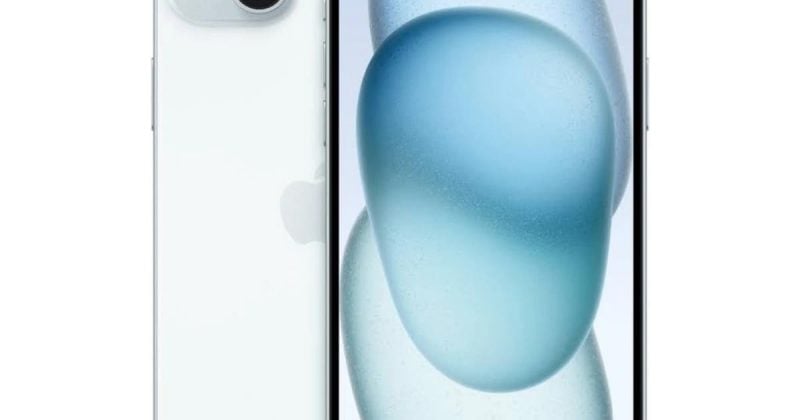
Apple faces rising costs as AI-driven memory shortage reshapes hardware markets

Apple faces rising costs as AI-driven memory shortage reshapes hardware markets

Data centers are expected to consume 70% of high-end memory supply by 2026, squeezing consumer electronics makers and raising questions about downstream effects on crypto mining hardware.

A global shortage of high-bandwidth memory (HBM) and advanced DRAM, driven almost entirely by insatiable AI demand, is forcing consumer electronics giants to raise prices while shipping fewer units. PC shipments fell roughly 5% in the second quarter of 2026, and the squeeze is only getting tighter.

Memory manufacturers are reallocating production capacity from consumer-focused DRAM and NAND chips toward AI-centric HBM and DDR5 memory. Companies like Apple, HP, Dell, and Microsoft are now paying more for less space.

The numbers behind the crunch

Micron Technology, one of the world’s largest memory producers, has fully sold out its entire HBM production for 2026.

Data centers are forecast to consume around 70% of high-end DRAM supplies by 2026. That leaves the remaining 30% to be divided among PC makers, smartphone manufacturers, and every other consumer electronics company on the planet.

Advertisement

IDC projects that total DRAM supply will grow only 16% year-over-year in 2026, well below historical growth averages.

Conventional memory prices have climbed across consumer devices, and major PC manufacturers have been forced to hike laptop prices accordingly. Apple, whose product lineup depends heavily on premium memory configurations, faces particularly direct cost pressures.

What manufacturers are doing about it

The shift in manufacturing priorities is structural, not cyclical. Major memory producers have made deliberate decisions to reallocate capacity from consumer DRAM and NAND toward AI-optimized products.

Analysts expect this supply imbalance to persist into 2027.

HP and Dell operate on thinner margins than Apple, meaning the same memory price increases eat a larger percentage of their profit per unit.

What this means for investors

Memory producers like Micron are in an enviable position — their supply is sold out and pricing power is strong. But that advantage comes with concentration risk: if AI spending decelerates for any reason, companies that over-indexed on HBM production could find themselves with capacity mismatched to demand.

For hardware manufacturers, the question is margin compression. Investors should watch gross margin trends at Apple, Dell, and HP over the next several quarters.

Disclosure: This article was edited by Editorial Team. For more information on how we create and review content, see our Editorial Policy.

Apple faces rising costs as AI-driven memory shortage reshapes hardware markets

Apple faces rising costs as AI-driven memory shortage reshapes hardware markets

Data centers are expected to consume 70% of high-end memory supply by 2026, squeezing consumer electronics makers and raising questions about downstream effects on crypto mining hardware.

A global shortage of high-bandwidth memory (HBM) and advanced DRAM, driven almost entirely by insatiable AI demand, is forcing consumer electronics giants to raise prices while shipping fewer units. PC shipments fell roughly 5% in the second quarter of 2026, and the squeeze is only getting tighter.

Memory manufacturers are reallocating production capacity from consumer-focused DRAM and NAND chips toward AI-centric HBM and DDR5 memory. Companies like Apple, HP, Dell, and Microsoft are now paying more for less space.

The numbers behind the crunch

Micron Technology, one of the world’s largest memory producers, has fully sold out its entire HBM production for 2026.

Data centers are forecast to consume around 70% of high-end DRAM supplies by 2026. That leaves the remaining 30% to be divided among PC makers, smartphone manufacturers, and every other consumer electronics company on the planet.

Advertisement

IDC projects that total DRAM supply will grow only 16% year-over-year in 2026, well below historical growth averages.

Conventional memory prices have climbed across consumer devices, and major PC manufacturers have been forced to hike laptop prices accordingly. Apple, whose product lineup depends heavily on premium memory configurations, faces particularly direct cost pressures.

What manufacturers are doing about it

The shift in manufacturing priorities is structural, not cyclical. Major memory producers have made deliberate decisions to reallocate capacity from consumer DRAM and NAND toward AI-optimized products.

Analysts expect this supply imbalance to persist into 2027.

HP and Dell operate on thinner margins than Apple, meaning the same memory price increases eat a larger percentage of their profit per unit.

What this means for investors

Memory producers like Micron are in an enviable position — their supply is sold out and pricing power is strong. But that advantage comes with concentration risk: if AI spending decelerates for any reason, companies that over-indexed on HBM production could find themselves with capacity mismatched to demand.

For hardware manufacturers, the question is margin compression. Investors should watch gross margin trends at Apple, Dell, and HP over the next several quarters.

Disclosure: This article was edited by Editorial Team. For more information on how we create and review content, see our Editorial Policy.