
Apple partners with Intel for $600B domestic semiconductor initiative
The tech giant's deal with Intel to manufacture chips stateside marks a seismic shift away from Asian supply chains, with Intel shares jumping nearly 10% on the news.
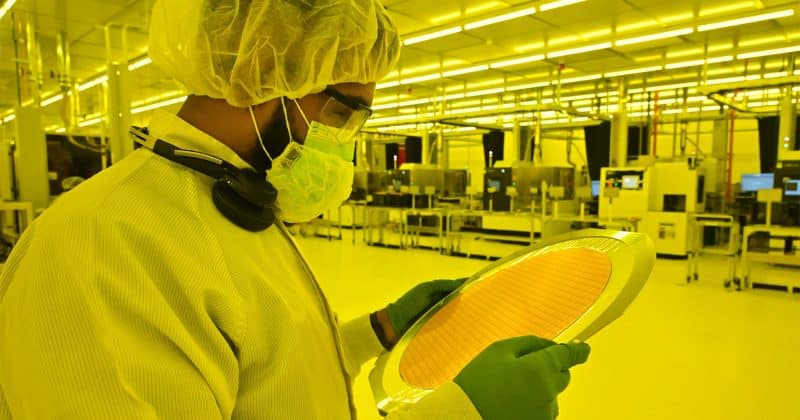
Apple and Intel are joining forces to manufacture hardware components on American soil, a partnership that could fundamentally redraw the global semiconductor supply chain. The deal, announced by President Donald Trump on Truth Social on June 18, 2026, positions Intel as a domestic foundry partner for Apple-designed processors.
The partnership falls under Apple’s broader $600 billion investment commitment to US manufacturing over four years, a program the company first unveiled on August 6, 2025. Intel shares surged approximately 10% on the news.
What the Apple-Intel deal actually means
Apple has spent years designing its own chips, the M-series and A-series processors that power everything from iPhones to MacBooks, but has relied almost entirely on Taiwan Semiconductor Manufacturing Company (TSMC) to actually build them.
Intel has been trying to reinvent itself as a contract chipmaker, a foundry that builds processors designed by other companies rather than just its own. The US government already holds around a 10% equity stake in Intel, a position acquired through CHIPS Act funding designed to incentivize domestic semiconductor production.
AI, tech, and the markets they move—in one daily briefing.
Daily. Free. Join 34,000+ readers across crypto, finance, and policy.
Apple’s $600 billion commitment includes prior spending and accelerates support for local suppliers. The company dubbed it the American Manufacturing Program, or AMP, and it’s explicitly focused on semiconductors and AI hardware production capabilities.
What investors should actually watch
Intel’s 10% share price jump on the announcement reflects investor optimism. Manufacturing cutting-edge processors is extraordinarily difficult, and the specifics of the partnership between Apple and Intel remain unconfirmed, with references to preliminary discussions indicating a possible arrangement for Intel to manufacture Apple-designed processors.
For the broader market, this deal could accelerate investment across the entire US semiconductor ecosystem. If Apple shifts meaningful production volume to Intel, it reduces TSMC’s leverage and potentially its revenue from one of its largest customers.