
Nexo Earn with Nexo
Explosions reported near airport and airbase in Bandar Abbas as US-Iran tensions spike

Explosions reported near airport and airbase in Bandar Abbas as US-Iran tensions spike

At least three blasts confirmed near Iran's strategically critical Strait of Hormuz corridor, followed by US strikes and IRGC retaliation

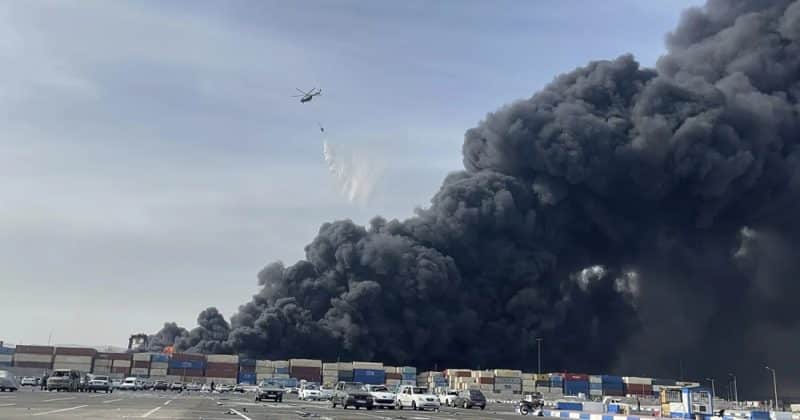
At least three explosions were confirmed near Bandar Abbas International Airport in southern Iran on May 25, 2026, according to Iranian outlets Fars and Tasnim. The blasts triggered a brief activation of air defense systems in the area, though Iranian authorities reported no immediate casualties or confirmed damage.

Bandar Abbas sits directly on the Strait of Hormuz, the narrow waterway responsible for roughly 20% of the world’s seaborne oil trade.

What happened and what followed

Shortly after the blasts, US Central Command conducted strikes targeting Iranian military infrastructure in the vicinity of the Bandar Abbas airport. The stated objective was degrading facilities that the US claims pose threats to American troops and allies in the region.

Advertisement

Iran’s response came three days later. The Islamic Revolutionary Guard Corps announced it targeted a US airbase at approximately 0450 local time on May 28, 2026. The sequence of events, from unexplained explosions to confirmed US strikes to direct IRGC retaliation, marks one of the sharpest escalations in US-Iran military confrontation in recent memory.

No specific casualty figures or detailed damage assessments have been confirmed from any of the incidents.

The Strait of Hormuz problem

The Strait of Hormuz is a 21-mile-wide bottleneck through which approximately one-fifth of all oil moved by sea must pass. Bandar Abbas is Iran’s largest port on this strait and home to significant naval and air force installations.

In January 2026, a gas-leak explosion in the region underscored the area’s ongoing volatility and susceptibility to disruption, whether from military conflict or industrial incidents.

What this means for markets and crypto investors

The most direct transmission mechanism is oil prices. When Strait of Hormuz tensions escalate, crude tends to spike on supply disruption fears. Higher energy costs feed into inflation expectations, which influence central bank policy, which shapes the macro environment that Bitcoin and other risk assets trade against.

Investors should watch several things closely. First, whether the IRGC retaliation on May 28 triggers a further US response, creating a genuine escalation cycle rather than a contained exchange. Second, any disruption to actual oil shipments through the Strait, which would be a different magnitude of impact compared to military strikes alone. Third, how oil futures respond in the coming sessions, since that will be the leading indicator of broader market contagion.

During the early 2024 Iran-Israel tensions, Bitcoin saw brief selloffs followed by recoveries as the situation de-escalated.

Disclosure: This article was edited by Editorial Team. For more information on how we create and review content, see our Editorial Policy.

Explosions reported near airport and airbase in Bandar Abbas as US-Iran tensions spike

Explosions reported near airport and airbase in Bandar Abbas as US-Iran tensions spike

At least three blasts confirmed near Iran's strategically critical Strait of Hormuz corridor, followed by US strikes and IRGC retaliation

At least three explosions were confirmed near Bandar Abbas International Airport in southern Iran on May 25, 2026, according to Iranian outlets Fars and Tasnim. The blasts triggered a brief activation of air defense systems in the area, though Iranian authorities reported no immediate casualties or confirmed damage.

Bandar Abbas sits directly on the Strait of Hormuz, the narrow waterway responsible for roughly 20% of the world’s seaborne oil trade.

What happened and what followed

Shortly after the blasts, US Central Command conducted strikes targeting Iranian military infrastructure in the vicinity of the Bandar Abbas airport. The stated objective was degrading facilities that the US claims pose threats to American troops and allies in the region.

Advertisement

Iran’s response came three days later. The Islamic Revolutionary Guard Corps announced it targeted a US airbase at approximately 0450 local time on May 28, 2026. The sequence of events, from unexplained explosions to confirmed US strikes to direct IRGC retaliation, marks one of the sharpest escalations in US-Iran military confrontation in recent memory.

No specific casualty figures or detailed damage assessments have been confirmed from any of the incidents.

The Strait of Hormuz problem

The Strait of Hormuz is a 21-mile-wide bottleneck through which approximately one-fifth of all oil moved by sea must pass. Bandar Abbas is Iran’s largest port on this strait and home to significant naval and air force installations.

In January 2026, a gas-leak explosion in the region underscored the area’s ongoing volatility and susceptibility to disruption, whether from military conflict or industrial incidents.

What this means for markets and crypto investors

The most direct transmission mechanism is oil prices. When Strait of Hormuz tensions escalate, crude tends to spike on supply disruption fears. Higher energy costs feed into inflation expectations, which influence central bank policy, which shapes the macro environment that Bitcoin and other risk assets trade against.

Investors should watch several things closely. First, whether the IRGC retaliation on May 28 triggers a further US response, creating a genuine escalation cycle rather than a contained exchange. Second, any disruption to actual oil shipments through the Strait, which would be a different magnitude of impact compared to military strikes alone. Third, how oil futures respond in the coming sessions, since that will be the leading indicator of broader market contagion.

During the early 2024 Iran-Israel tensions, Bitcoin saw brief selloffs followed by recoveries as the situation de-escalated.

Disclosure: This article was edited by Editorial Team. For more information on how we create and review content, see our Editorial Policy.