
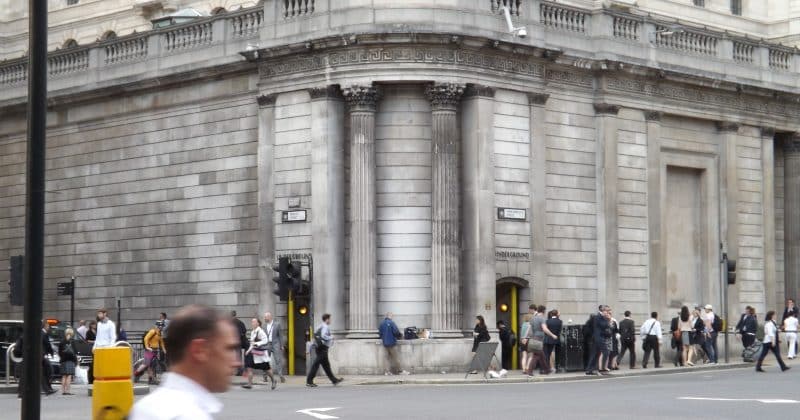
Bank of England holds rates at 3.75% as falling oil prices offer inflation relief
The MPC voted 7-2 to keep rates steady, with two members pushing for a hike to 4% amid Middle East uncertainty
The Bank of England’s Monetary Policy Committee voted to hold the Bank Rate at 3.75% on June 18, keeping borrowing costs unchanged as declining global oil prices provided a welcome counterweight to persistent inflationary pressures.
The decision wasn’t unanimous. Seven members voted to maintain the current rate, while two pushed for a hike to 4%.
The inflation picture
UK Consumer Price Index inflation stood at 2.8% in May 2026. That’s above the BoE’s 2% target, but not alarmingly so. The committee expects inflation could tick higher in coming months as recent energy price swings work their way through the economy.
Oil prices have come down meaningfully since their peak above $120 per barrel, a spike driven by the escalation of the Middle East conflict around late February 2026. Energy costs remain elevated compared to pre-conflict levels. The BoE is watching closely for second-round effects on wages and prices.
The two dissenting MPC members who wanted a hike to 4% apparently believe those second-round effects warrant preemptive action. The majority disagreed, preferring to wait for more data before tightening further.
Middle East conflict casts a long shadow
The conflict in the Middle East, particularly involving Iran, escalated sharply in late February 2026 and sent energy markets into a tailspin. Oil prices surged past $120 per barrel, supply chains got nervous, and inflation expectations jumped. Since then, global oil prices have declined from their highs.
The next MPC meeting is scheduled for July 30, 2026, giving the committee roughly six weeks to assess whether the oil price decline is durable or just a temporary reprieve.
What this means for investors and crypto markets
Market participants largely anticipated the hold decision, which means the immediate impact on asset prices was muted.
At 3.75%, UK rates remain restrictive enough to keep some institutional capital on the sidelines. The two dissenters who wanted 4% represent a hawkish minority, and their presence signals that the BoE isn’t close to cutting rates anytime soon.
The BoE did not mention crypto or digital assets in its deliberations. The July 30 meeting will be the one to watch. By then, the committee will have fresh inflation data, more clarity on oil price trends, and a better sense of whether the Middle East conflict is cooling or heating up.