
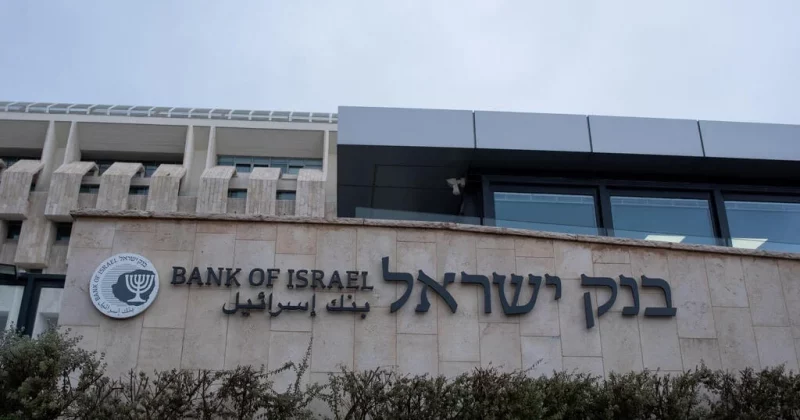
Bank of Israel buys $801M in FX market to curb shekel strength

Bank of Israel buys $801M in FX market to curb shekel strength

Israel's central bank intervened in currency markets for the first time since 2022 as the shekel approached a 33-year high against the dollar.


The Bank of Israel bought $801 million in foreign currency in May, stepping back into the market as a surging shekel increased pressure on exporters.

The central bank said the purchases were made to maintain orderly market functioning, not to defend a specific exchange rate. The move came after the shekel strengthened to around 2.90 per dollar, its strongest level against the US currency since 1993.

Israel’s foreign exchange reserves climbed to $238.681 billion at the end of May, up $2.953 billion from April. Most of the increase came from revaluation gains, which added about $2.685 billion as existing reserve assets rose in value.

Advertisement

The intervention marks a shift from the central bank’s recent stance. In May, Deputy Governor Andrew Abir said the Bank of Israel was not rushing to curb the shekel, though intervention remained part of its policy toolkit if market conditions justified it.

The shekel’s strength has been driven by a weaker dollar, rising equities, and foreign investment into Israel. That has helped contain inflation by making imports cheaper, but it has also squeezed exporters that earn revenue abroad and pay costs at home.

For Israel’s technology sector, the currency move is especially important. Many companies generate dollar revenue while paying salaries and operating expenses in shekels. A stronger local currency reduces the value of those foreign earnings once converted back.

The May purchase signals that the central bank has a threshold for shekel strength, even if it is not targeting a formal level. For investors, the message is that the Bank of Israel is willing to lean against disorderly currency moves if appreciation starts to threaten the export economy.

The inflation tradeoff is the next issue to watch. A strong shekel helps cool prices. If the central bank succeeds in slowing or reversing the currency’s rise, some of that disinflationary support could fade, complicating future rate decisions.

Disclosure: This article was edited by Editorial Team. For more information on how we create and review content, see our Editorial Policy.

Bank of Israel buys $801M in FX market to curb shekel strength

Bank of Israel buys $801M in FX market to curb shekel strength

Israel's central bank intervened in currency markets for the first time since 2022 as the shekel approached a 33-year high against the dollar.

Share

Add us on Google

The Bank of Israel bought $801 million in foreign currency in May, stepping back into the market as a surging shekel increased pressure on exporters.

The central bank said the purchases were made to maintain orderly market functioning, not to defend a specific exchange rate. The move came after the shekel strengthened to around 2.90 per dollar, its strongest level against the US currency since 1993.

Israel’s foreign exchange reserves climbed to $238.681 billion at the end of May, up $2.953 billion from April. Most of the increase came from revaluation gains, which added about $2.685 billion as existing reserve assets rose in value.

Advertisement

The intervention marks a shift from the central bank’s recent stance. In May, Deputy Governor Andrew Abir said the Bank of Israel was not rushing to curb the shekel, though intervention remained part of its policy toolkit if market conditions justified it.

The shekel’s strength has been driven by a weaker dollar, rising equities, and foreign investment into Israel. That has helped contain inflation by making imports cheaper, but it has also squeezed exporters that earn revenue abroad and pay costs at home.

For Israel’s technology sector, the currency move is especially important. Many companies generate dollar revenue while paying salaries and operating expenses in shekels. A stronger local currency reduces the value of those foreign earnings once converted back.

The May purchase signals that the central bank has a threshold for shekel strength, even if it is not targeting a formal level. For investors, the message is that the Bank of Israel is willing to lean against disorderly currency moves if appreciation starts to threaten the export economy.

The inflation tradeoff is the next issue to watch. A strong shekel helps cool prices. If the central bank succeeds in slowing or reversing the currency’s rise, some of that disinflationary support could fade, complicating future rate decisions.

Disclosure: This article was edited by Editorial Team. For more information on how we create and review content, see our Editorial Policy.