
Beef prices reach record high as US herd remains small due to drought and cattle parasite
Retail beef hit $9.64 per pound in April, up 13% year-over-year, as the nation's cattle inventory sits at its lowest level since 1951.
A pound of beef in America now costs more than it ever has. Retail beef prices averaged $9.64 per pound in April 2026, a record that reflects a 13% jump from the same month a year earlier.
The culprit is a supply squeeze that’s been building for years, driven by two forces ranchers can’t easily control: persistent drought and the return of a parasitic fly most Americans have never heard of. Together, they’ve pushed the US cattle herd to its smallest size in 75 years.
A herd that keeps shrinking
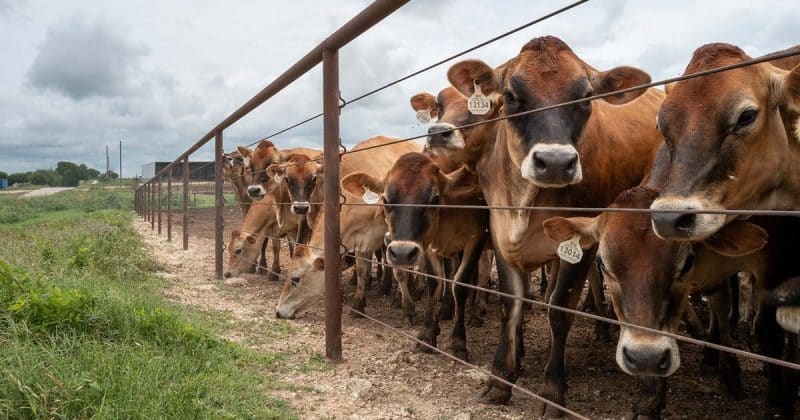
US cattle inventory has fallen to levels not seen since 1951. The primary driver is drought. Extended dry conditions across major cattle-producing states have degraded pastureland and made it expensive, sometimes impossible, for ranchers to feed their herds. When grass dries up, ranchers sell cattle they can’t afford to maintain. The math is simple but brutal: fewer cows today means fewer calves tomorrow, which means even fewer cattle down the road.
Rebuilding a cattle herd isn’t like flipping a switch. It takes years. A cow needs roughly nine months of gestation, and a calf takes 18 to 24 months before it’s ready for market. So even if conditions improved overnight, the supply pipeline wouldn’t refill for the better part of three years.
Beef prices have climbed approximately 57% since the beginning of 2020. Ground beef was sitting around $6.25 per pound by mid-2025, nearly 50% higher than five years prior.
The screwworm factor
As if drought weren’t enough, ranchers in Texas are now contending with the New World screwworm, a parasitic fly larva that feeds on the living tissue of warm-blooded animals. Confirmed cases have resurfaced in Texas cattle, with three to five cases documented as of June 2026.
The news moving money, markets, and the world—before your day starts.
Daily. Free. Join 34,000+ readers across crypto, finance, and policy.
Three to five cases might sound trivial. It is not. Historical losses from screwworm outbreaks have ranged from $50 million to $100 million a year in affected states. Major outbreaks have cost up to $3 billion regionally.
The USDA has responded aggressively. In May 2025, the agency closed the border to Mexican livestock imports to prevent further introduction of the parasite. Sterile fly releases, the same technique that eliminated the pest originally, are ongoing as part of the containment strategy. For ranchers, these measures translate to increased monitoring costs, treatment expenses, and operational headaches layered on top of an already difficult environment.
Why prices aren’t coming down anytime soon
The USDA’s border closure to Mexican cattle imports has cut off a supplemental source of feeder cattle that US feedlots have historically relied on, further tightening an already constrained supply.
The National Cattlemen’s Beef Association has cautioned that while ranchers are under operational strain due to rising costs and reduced supply, sudden price spikes at grocery stores may be less common unless there is a significant increase in outbreak severity.
The 57% price increase since 2020 has outpaced general food inflation by a wide margin. The last time the US herd was this small, the country had roughly half its current population. Demand has only grown. Supply has moved in the opposite direction.