
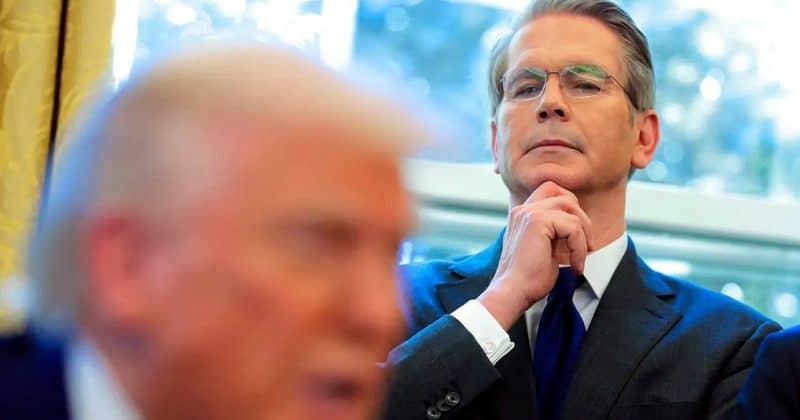
Lawmakers press Scott Bessent on Russia sanctions bill at NATO summit

Lawmakers press Scott Bessent on Russia sanctions bill at NATO summit

Congressional scrutiny of Treasury's sanctions enforcement comes as Bessent simultaneously pushes digital asset regulation and a US Strategic Bitcoin Reserve

US lawmakers are cornering Treasury Secretary Scott Bessent at the NATO summit over a Russia sanctions bill, demanding clarity on whether the administration plans to maintain, tighten, or soften the economic pressure campaign against Moscow.

The confrontation lands at a moment when Bessent’s Treasury Department is juggling an unusually wide portfolio: Russia sanctions, digital asset regulation, stablecoin frameworks, and a proposed US Strategic Bitcoin Reserve.

What lawmakers actually want to know

In October 2025, Treasury sanctioned Russia’s two largest oil companies, Rosneft and Lukoil, as leverage over Moscow’s continued military operations in Ukraine. In March 2026, Representatives Don Bacon and Gregory Meeks sent a joint letter to Bessent demanding an explanation for any potential easing of Russian oil sanctions.

Advertisement

Bessent has publicly advocated for balancing sanctions pressure with diplomatic negotiations. The concern is that “balance” becomes code for “concessions,” particularly when energy markets are involved and allied nations have competing interests in Russian commodities.

The crypto connection is bigger than you think

In June 2026, Treasury sanctioned Iranian digital asset networks, resulting in seizures that ranged from hundreds of millions to over $1 billion. That’s Treasury treating crypto infrastructure as a sanctions enforcement channel, not just a regulatory afterthought.

Bessent has simultaneously pushed for federal stablecoin rules and endorsed the concept of a US Strategic Bitcoin Reserve. It’s a dual-use strategy where legitimizing crypto makes it easier to police, and policing crypto makes it easier to legitimize.

What this means for investors

If the Russia sanctions bill advances with stricter enforcement provisions, expect compliance costs across the crypto ecosystem to rise. Exchanges already spend heavily on sanctions screening. A tighter regime means more spending, which eventually gets passed to users or funded by reducing services in certain jurisdictions.

Bessent’s endorsement of a Strategic Bitcoin Reserve has the potential to boost institutional confidence in Bitcoin as a reserve asset. But his willingness to seize over a billion dollars in digital assets from sanctioned networks demonstrates that Treasury views crypto as firmly within its enforcement jurisdiction.

Russia, China, and Iran have all invested in digital asset infrastructure partly to circumvent dollar-denominated sanctions. A more aggressive US posture doesn’t eliminate those networks; it incentivizes their growth.

Disclosure: This article was edited by Editorial Team. For more information on how we create and review content, see our Editorial Policy.

Lawmakers press Scott Bessent on Russia sanctions bill at NATO summit

Lawmakers press Scott Bessent on Russia sanctions bill at NATO summit

Congressional scrutiny of Treasury's sanctions enforcement comes as Bessent simultaneously pushes digital asset regulation and a US Strategic Bitcoin Reserve

US lawmakers are cornering Treasury Secretary Scott Bessent at the NATO summit over a Russia sanctions bill, demanding clarity on whether the administration plans to maintain, tighten, or soften the economic pressure campaign against Moscow.

The confrontation lands at a moment when Bessent’s Treasury Department is juggling an unusually wide portfolio: Russia sanctions, digital asset regulation, stablecoin frameworks, and a proposed US Strategic Bitcoin Reserve.

What lawmakers actually want to know

In October 2025, Treasury sanctioned Russia’s two largest oil companies, Rosneft and Lukoil, as leverage over Moscow’s continued military operations in Ukraine. In March 2026, Representatives Don Bacon and Gregory Meeks sent a joint letter to Bessent demanding an explanation for any potential easing of Russian oil sanctions.

Advertisement

Bessent has publicly advocated for balancing sanctions pressure with diplomatic negotiations. The concern is that “balance” becomes code for “concessions,” particularly when energy markets are involved and allied nations have competing interests in Russian commodities.

The crypto connection is bigger than you think

In June 2026, Treasury sanctioned Iranian digital asset networks, resulting in seizures that ranged from hundreds of millions to over $1 billion. That’s Treasury treating crypto infrastructure as a sanctions enforcement channel, not just a regulatory afterthought.

Bessent has simultaneously pushed for federal stablecoin rules and endorsed the concept of a US Strategic Bitcoin Reserve. It’s a dual-use strategy where legitimizing crypto makes it easier to police, and policing crypto makes it easier to legitimize.

What this means for investors

If the Russia sanctions bill advances with stricter enforcement provisions, expect compliance costs across the crypto ecosystem to rise. Exchanges already spend heavily on sanctions screening. A tighter regime means more spending, which eventually gets passed to users or funded by reducing services in certain jurisdictions.

Bessent’s endorsement of a Strategic Bitcoin Reserve has the potential to boost institutional confidence in Bitcoin as a reserve asset. But his willingness to seize over a billion dollars in digital assets from sanctioned networks demonstrates that Treasury views crypto as firmly within its enforcement jurisdiction.

Russia, China, and Iran have all invested in digital asset infrastructure partly to circumvent dollar-denominated sanctions. A more aggressive US posture doesn’t eliminate those networks; it incentivizes their growth.

Disclosure: This article was edited by Editorial Team. For more information on how we create and review content, see our Editorial Policy.