
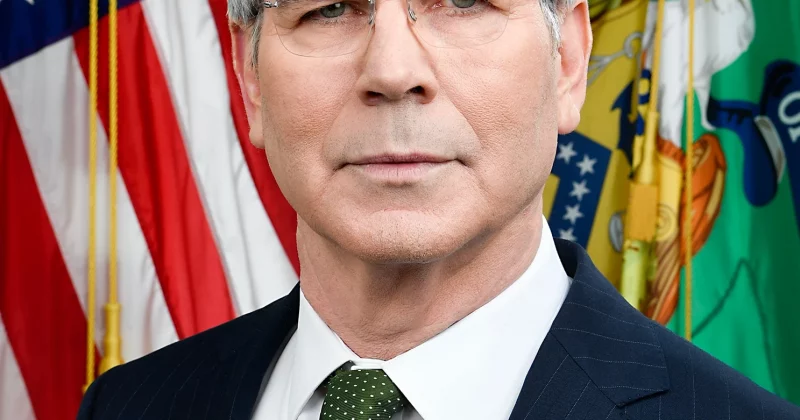
Scott Bessent keeps calling inflation ‘transitory,’ a word that burned Janet Yellen badly
The Treasury Secretary is recycling the exact language that became a cautionary tale in economic policymaking, and markets are paying attention.
There’s a word in economic policy circles that carries roughly the same energy as saying “what could go wrong” right before everything goes wrong. That word is “transitory.” Treasury Secretary Scott Bessent has been using it freely, along with close cousins like “transient” and “blip,” to describe the current inflationary environment.
If that sounds familiar, it should. Former Treasury Secretary Janet Yellen used similar language to characterize inflation during the pandemic era. She later admitted that assessment was wrong, after inflation peaked above 9% in 2022.
The greatest hits of “don’t worry about it”
Bessent has been remarkably consistent in his messaging across several months of public appearances. On May 14, he told CNBC that “nothing is more transient than a supply shock.” Six days later, on May 20, he described elevated bond yields and inflation as “transient” during another interview.
As of early June 2026, Bessent has called the recent inflation increase a “short-term blip.” Back in March 2025, he used the word “transitory” specifically in the context of tariff-related inflation, drawing a direct line to previous inflation assessments.
Bessent has suggested that investors should expect a couple more high inflation reports before the numbers start declining. He’s essentially asking markets to look through the current data and trust the trajectory he’s forecasting.
Why “transitory” is a loaded word
When inflation started climbing during the post-pandemic recovery, Yellen and Federal Reserve officials characterized it as temporary, the result of supply chain disruptions that would resolve on their own. They were wrong. Inflation didn’t resolve itself. It accelerated, eventually peaking above 9% in 2022 and forcing the Fed into the most aggressive rate-hiking cycle in decades. Yellen later acknowledged the misstep, effectively conceding that the “transitory” framing had been too optimistic.
The news moving money, markets, and the world—before your day starts.
Daily. Free. Join 34,000+ readers across crypto, finance, and policy.
The dynamic is further complicated by the relatively new Federal Reserve Chair, Kevin Warsh, who now has to navigate monetary policy while the Treasury Secretary is publicly downplaying inflation risks.
What this means for investors
For fixed income investors, the short-term implication is somewhat reassuring. If Bessent is right and bond yields do decline as geopolitical tensions ease, current elevated yields represent a buying opportunity. The Treasury Secretary is essentially telling bond markets that relief is coming, which could anchor longer-term rate expectations and support prices.
But the risk-reward calculus shifts dramatically if he’s wrong. Investors who loaded up on duration based on “transitory” language in 2021 got crushed when the Fed was forced to hike aggressively.
The upcoming inflation reports that Bessent himself flagged as likely to run hot will be critical checkpoints. Investors should watch not just the headline numbers but the composition of price increases. If inflation broadens beyond energy into services and shelter, the “supply shock” narrative starts to crumble. If it stays concentrated in energy-related categories, Bessent’s case gets stronger.
Watch what Warsh does, not what Bessent says. If the Fed starts signaling concern about inflation persistence through its communications or dot plots, that would represent a meaningful divergence from the Treasury’s messaging.