
BIG3 faces lawsuit from NFT buyers over alleged unfulfilled promises of team ownership

BIG3 faces lawsuit from NFT buyers over alleged unfulfilled promises of team ownership

Investors who paid up to $25,000 for fractional ownership NFTs claim the basketball league sold four franchises for $40 million and never shared the proceeds

When Ice Cube’s BIG3 basketball league started selling NFTs in 2022, the pitch was compelling: buy a digital token, become a fractional owner of a professional basketball team. Voting rights, VIP access, a cut of future franchise sales. The kind of deal that makes you feel like a sports mogul for the price of a used sedan.

Now a pair of investors are alleging in a California lawsuit that none of those ownership perks materialized the way they were advertised, and that the league engaged in what they call “deceptive, fraudulent” marketing to move the tokens.

The $40 million question

Lou and Sally Sheward filed their lawsuit against BIG3 in the summer of 2025, claiming the league sold four of its franchises for approximately $40 million total. Here’s the thing: Fire-tier NFT holders were promised a collective 40% share of future team sale proceeds. According to the Shewards, those payouts never arrived.

The alleged mechanism for dodging the obligation is particularly creative. The lawsuit claims BIG3 renamed teams and paused original franchise operations to sidestep the financial commitments tied to the NFTs. In English: if you promised NFT holders a cut of Team A’s sale, you could theoretically avoid that by calling it Team B instead.

Advertisement

BIG3 launched its “Ownership NFTs” in May 2022 with two pricing tiers. Fire-tier tokens cost $25,000 each and came with the most substantial promised benefits, including IP licensing rights and the 40% collective share of franchise sale proceeds. Gold-tier NFTs went for $5,000 and offered lighter perks like voting rights, VIP access, and merchandise benefits.

The tokens attracted some notable buyers. Snoop Dogg and Gary Vaynerchuk both purchased Fire-tier NFTs for team ownership stakes.

BIG3, for its part, is not taking the accusations quietly. The league is contesting the lawsuit and has moved to compel individual arbitration rather than allowing class proceedings. The company points to an arbitration clause embedded in its 2022 terms of sale. A hearing on that motion is scheduled for August 24, 2026.

A SPAC deal adds another layer

The timing of this lawsuit is especially interesting given BIG3’s broader corporate ambitions. The league has announced a merger with Graf Global Corp through a SPAC deal that values the combined entity at $290 million. The merger is expected to close in Q4 2026, positioning BIG3 as something of a pioneer: one of the first traditional sports leagues to pursue a public listing.

That $290 million valuation sits in sharp contrast to the allegations in the Sheward case. If four franchise sales generated roughly $40 million and Fire-tier holders were entitled to 40% of those proceeds, that’s approximately $16 million that should have flowed to NFT holders under the original terms.

Traders watching the SPAC merger timeline should note the overlap with the arbitration hearing. Both are targeted for the second half of 2026, meaning the legal and corporate narratives will likely collide in public view.

What this means for NFT ownership models

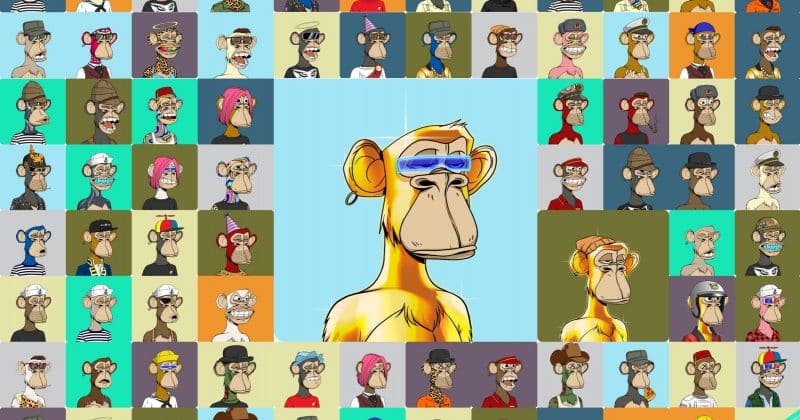
These NFTs were marketed with specific, concrete economic rights, governance privileges, and revenue-sharing arrangements. They weren’t profile pictures. They were quasi-securities dressed in blockchain wrappers.

The arbitration clause adds a separate wrinkle. Many NFT and crypto projects have embedded similar clauses in their terms of service, effectively preventing buyers from pursuing class action litigation. If BIG3 successfully forces individual arbitration, it reinforces a playbook that other projects could use to fragment legal challenges from dissatisfied token holders.

Disclosure: This article was edited by Editorial Team. For more information on how we create and review content, see our Editorial Policy.

BIG3 faces lawsuit from NFT buyers over alleged unfulfilled promises of team ownership

BIG3 faces lawsuit from NFT buyers over alleged unfulfilled promises of team ownership

Investors who paid up to $25,000 for fractional ownership NFTs claim the basketball league sold four franchises for $40 million and never shared the proceeds

When Ice Cube’s BIG3 basketball league started selling NFTs in 2022, the pitch was compelling: buy a digital token, become a fractional owner of a professional basketball team. Voting rights, VIP access, a cut of future franchise sales. The kind of deal that makes you feel like a sports mogul for the price of a used sedan.

Now a pair of investors are alleging in a California lawsuit that none of those ownership perks materialized the way they were advertised, and that the league engaged in what they call “deceptive, fraudulent” marketing to move the tokens.

The $40 million question

Lou and Sally Sheward filed their lawsuit against BIG3 in the summer of 2025, claiming the league sold four of its franchises for approximately $40 million total. Here’s the thing: Fire-tier NFT holders were promised a collective 40% share of future team sale proceeds. According to the Shewards, those payouts never arrived.

The alleged mechanism for dodging the obligation is particularly creative. The lawsuit claims BIG3 renamed teams and paused original franchise operations to sidestep the financial commitments tied to the NFTs. In English: if you promised NFT holders a cut of Team A’s sale, you could theoretically avoid that by calling it Team B instead.

Advertisement

BIG3 launched its “Ownership NFTs” in May 2022 with two pricing tiers. Fire-tier tokens cost $25,000 each and came with the most substantial promised benefits, including IP licensing rights and the 40% collective share of franchise sale proceeds. Gold-tier NFTs went for $5,000 and offered lighter perks like voting rights, VIP access, and merchandise benefits.

The tokens attracted some notable buyers. Snoop Dogg and Gary Vaynerchuk both purchased Fire-tier NFTs for team ownership stakes.

BIG3, for its part, is not taking the accusations quietly. The league is contesting the lawsuit and has moved to compel individual arbitration rather than allowing class proceedings. The company points to an arbitration clause embedded in its 2022 terms of sale. A hearing on that motion is scheduled for August 24, 2026.

A SPAC deal adds another layer

The timing of this lawsuit is especially interesting given BIG3’s broader corporate ambitions. The league has announced a merger with Graf Global Corp through a SPAC deal that values the combined entity at $290 million. The merger is expected to close in Q4 2026, positioning BIG3 as something of a pioneer: one of the first traditional sports leagues to pursue a public listing.

That $290 million valuation sits in sharp contrast to the allegations in the Sheward case. If four franchise sales generated roughly $40 million and Fire-tier holders were entitled to 40% of those proceeds, that’s approximately $16 million that should have flowed to NFT holders under the original terms.

Traders watching the SPAC merger timeline should note the overlap with the arbitration hearing. Both are targeted for the second half of 2026, meaning the legal and corporate narratives will likely collide in public view.

What this means for NFT ownership models

These NFTs were marketed with specific, concrete economic rights, governance privileges, and revenue-sharing arrangements. They weren’t profile pictures. They were quasi-securities dressed in blockchain wrappers.

The arbitration clause adds a separate wrinkle. Many NFT and crypto projects have embedded similar clauses in their terms of service, effectively preventing buyers from pursuing class action litigation. If BIG3 successfully forces individual arbitration, it reinforces a playbook that other projects could use to fragment legal challenges from dissatisfied token holders.

Disclosure: This article was edited by Editorial Team. For more information on how we create and review content, see our Editorial Policy.