
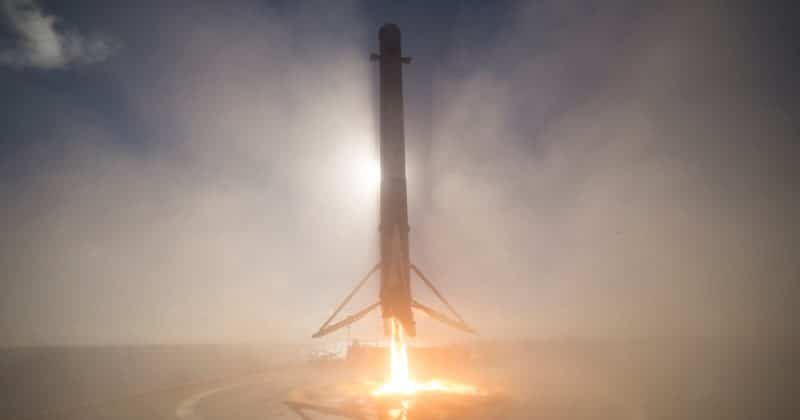
Binance processes $5.7B in SpaceX pre-IPO futures volume on a single day

Binance processes $5.7B in SpaceX pre-IPO futures volume on a single day

The crypto exchange's SPCXUSDT perpetual futures contract became its second-most-traded product, trailing only Bitcoin, as retail investors piled into SpaceX exposure ahead of the largest IPO in history.

Binance recorded over $5.7 billion in trading volume on its SPCXUSDT pre-IPO perpetual futures contract on June 12, the same day SpaceX debuted on the Nasdaq under ticker SPCX at $135 per share.

The SpaceX IPO raised approximately $75 billion at a valuation of roughly $1.75 trillion, making it the largest IPO on record.

How a crypto exchange became SpaceX’s unofficial trading floor

Binance launched the SPCXUSDT perpetual futures contract on May 21, giving traders more than three weeks of pre-IPO price discovery before SpaceX shares ever hit a traditional stock exchange. Since that launch, cumulative SpaceX-linked derivatives volume across platforms exceeded $9 billion, with Binance commanding more than 60% of that market share.

Advertisement

The product quickly climbed to become Binance’s second-most-traded futures contract, sitting behind only BTCUSDT.

Pre-IPO perps were trading at around $180, a significant premium over the eventual $135 IPO price. Traders were willing to pay roughly 33% above the offering price just to get exposure. Total open interest across venues reached into the hundreds of millions of dollars.

Why retail investors drove this, not institutions

The premium tells a clear story about who was on the other side of these trades. Institutional investors with direct IPO allocations had no reason to pay $180 for synthetic exposure to a $135 stock. This was a retail-driven phenomenon, powered by traders in regions where US IPO access is either restricted or nonexistent.

Holders of these perpetual futures don’t get voting rights, dividends, or any claim on SpaceX’s assets. They get price exposure, and that’s it.

Following the IPO, Binance also launched bStocks, a product designed to provide more direct exposure to SpaceX equity.

What this means for investors

The pre-IPO premium traders paid, roughly $180 versus the $135 IPO price, means that anyone who bought at the top of the pre-IPO excitement and held through listing was immediately underwater relative to the actual share price.

Whether that trend accelerates depends largely on regulatory responses. A $5.7 billion single-day volume in synthetic equity derivatives, much of it from jurisdictions with restricted US market access, is exactly the kind of activity that tends to attract attention from financial regulators.

Disclosure: This article was edited by Editorial Team. For more information on how we create and review content, see our Editorial Policy.

Binance processes $5.7B in SpaceX pre-IPO futures volume on a single day

Binance processes $5.7B in SpaceX pre-IPO futures volume on a single day

The crypto exchange's SPCXUSDT perpetual futures contract became its second-most-traded product, trailing only Bitcoin, as retail investors piled into SpaceX exposure ahead of the largest IPO in history.

Binance recorded over $5.7 billion in trading volume on its SPCXUSDT pre-IPO perpetual futures contract on June 12, the same day SpaceX debuted on the Nasdaq under ticker SPCX at $135 per share.

The SpaceX IPO raised approximately $75 billion at a valuation of roughly $1.75 trillion, making it the largest IPO on record.

How a crypto exchange became SpaceX’s unofficial trading floor

Binance launched the SPCXUSDT perpetual futures contract on May 21, giving traders more than three weeks of pre-IPO price discovery before SpaceX shares ever hit a traditional stock exchange. Since that launch, cumulative SpaceX-linked derivatives volume across platforms exceeded $9 billion, with Binance commanding more than 60% of that market share.

Advertisement

The product quickly climbed to become Binance’s second-most-traded futures contract, sitting behind only BTCUSDT.

Pre-IPO perps were trading at around $180, a significant premium over the eventual $135 IPO price. Traders were willing to pay roughly 33% above the offering price just to get exposure. Total open interest across venues reached into the hundreds of millions of dollars.

Why retail investors drove this, not institutions

The premium tells a clear story about who was on the other side of these trades. Institutional investors with direct IPO allocations had no reason to pay $180 for synthetic exposure to a $135 stock. This was a retail-driven phenomenon, powered by traders in regions where US IPO access is either restricted or nonexistent.

Holders of these perpetual futures don’t get voting rights, dividends, or any claim on SpaceX’s assets. They get price exposure, and that’s it.

Following the IPO, Binance also launched bStocks, a product designed to provide more direct exposure to SpaceX equity.

What this means for investors

The pre-IPO premium traders paid, roughly $180 versus the $135 IPO price, means that anyone who bought at the top of the pre-IPO excitement and held through listing was immediately underwater relative to the actual share price.

Whether that trend accelerates depends largely on regulatory responses. A $5.7 billion single-day volume in synthetic equity derivatives, much of it from jurisdictions with restricted US market access, is exactly the kind of activity that tends to attract attention from financial regulators.

Disclosure: This article was edited by Editorial Team. For more information on how we create and review content, see our Editorial Policy.