
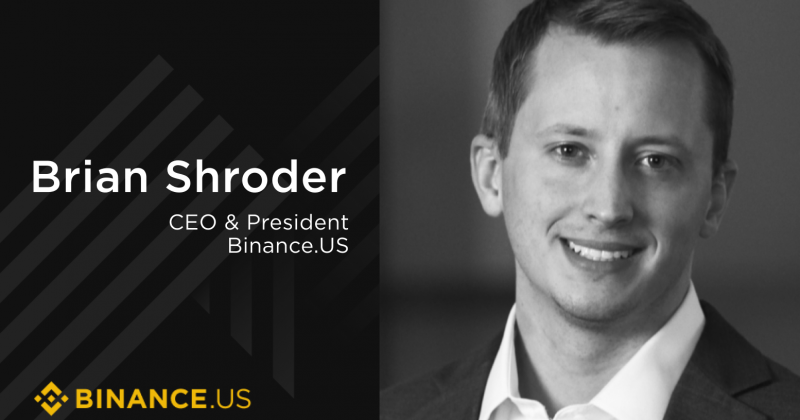
Binance.US CEO says crypto trading is heading toward a no-fee model

Binance.US CEO says crypto trading is heading toward a no-fee model

New fee structure slashes taker fees to 0.02% and eliminates maker fees entirely, saving users up to 98% compared to Coinbase

The brokerage fee wars that reshaped stock trading over the past decade are coming for crypto. Binance.US CEO Stephen Gregory is betting that the future of digital asset trading looks a lot like equities: commission-free, high-volume, and built on revenue streams that don’t depend on nickel-and-diming every trade.

On April 22, Binance.US rolled out 0% maker fees and 0.02% taker fees across more than 250 spot trading pairs. No volume tiers. No premium subscriptions. Just flat, near-zero costs for everyone. According to the company, the new structure saves users up to 98% compared to Coinbase’s entry-level fees.

The Robinhood playbook, applied to crypto

Gregory, who took over as CEO on March 9, appears to be reading from that same playbook. His argument is straightforward: American crypto traders have been paying too much for too long, and the exchange that eliminates that friction wins.

Advertisement

A comeback strategy wrapped in a fee cut

This isn’t happening in a vacuum. Binance.US has had a rough stretch. The platform faced significant regulatory headwinds that constrained its operations and eroded market share in the US. Slashing fees to near-zero is as much a customer acquisition play as it is a philosophical statement about where the industry is headed.

The zero-fee experiment actually started back in 2022, when Binance.US eliminated fees on specific Bitcoin trading pairs. That was a targeted promotion. This is something different: a platform-wide structural change covering all spot pairs, signaling that the company views ultra-low-cost trading as its permanent competitive identity rather than a temporary marketing stunt.

For context, Coinbase’s standard fee structure has long been one of the most expensive among major US exchanges, particularly for retail users who don’t qualify for advanced trader pricing. A 98% cost reduction is the kind of gap that makes users reconsider platform loyalty pretty quickly.

Gregory’s broader thesis, that crypto trading will inevitably adopt the no-fee model that now dominates equities, carries weight precisely because we’ve already watched it happen in traditional markets.

What this means for investors

The immediate beneficiaries are high-frequency retail traders and active investors who felt the sting of per-trade fees eating into their returns. For someone executing dozens of trades per week, the difference between paying 0.5% per transaction and 0.02% is enormous. It’s the difference between a strategy being profitable and not.

But the second-order effects matter more. If Binance.US gains meaningful traction with this pricing, competitors will face pressure to respond. Coinbase, Kraken, and Gemini all charge materially higher fees for standard retail trades.

Disclosure: This article was edited by Editorial Team. For more information on how we create and review content, see our Editorial Policy.

Binance.US CEO says crypto trading is heading toward a no-fee model

Binance.US CEO says crypto trading is heading toward a no-fee model

New fee structure slashes taker fees to 0.02% and eliminates maker fees entirely, saving users up to 98% compared to Coinbase

The brokerage fee wars that reshaped stock trading over the past decade are coming for crypto. Binance.US CEO Stephen Gregory is betting that the future of digital asset trading looks a lot like equities: commission-free, high-volume, and built on revenue streams that don’t depend on nickel-and-diming every trade.

On April 22, Binance.US rolled out 0% maker fees and 0.02% taker fees across more than 250 spot trading pairs. No volume tiers. No premium subscriptions. Just flat, near-zero costs for everyone. According to the company, the new structure saves users up to 98% compared to Coinbase’s entry-level fees.

The Robinhood playbook, applied to crypto

Gregory, who took over as CEO on March 9, appears to be reading from that same playbook. His argument is straightforward: American crypto traders have been paying too much for too long, and the exchange that eliminates that friction wins.

Advertisement

A comeback strategy wrapped in a fee cut

This isn’t happening in a vacuum. Binance.US has had a rough stretch. The platform faced significant regulatory headwinds that constrained its operations and eroded market share in the US. Slashing fees to near-zero is as much a customer acquisition play as it is a philosophical statement about where the industry is headed.

The zero-fee experiment actually started back in 2022, when Binance.US eliminated fees on specific Bitcoin trading pairs. That was a targeted promotion. This is something different: a platform-wide structural change covering all spot pairs, signaling that the company views ultra-low-cost trading as its permanent competitive identity rather than a temporary marketing stunt.

For context, Coinbase’s standard fee structure has long been one of the most expensive among major US exchanges, particularly for retail users who don’t qualify for advanced trader pricing. A 98% cost reduction is the kind of gap that makes users reconsider platform loyalty pretty quickly.

Gregory’s broader thesis, that crypto trading will inevitably adopt the no-fee model that now dominates equities, carries weight precisely because we’ve already watched it happen in traditional markets.

What this means for investors

The immediate beneficiaries are high-frequency retail traders and active investors who felt the sting of per-trade fees eating into their returns. For someone executing dozens of trades per week, the difference between paying 0.5% per transaction and 0.02% is enormous. It’s the difference between a strategy being profitable and not.

But the second-order effects matter more. If Binance.US gains meaningful traction with this pricing, competitors will face pressure to respond. Coinbase, Kraken, and Gemini all charge materially higher fees for standard retail trades.

Disclosure: This article was edited by Editorial Team. For more information on how we create and review content, see our Editorial Policy.