
Bitcoin used for taxi, steak, and coffee payments in Kenya via Lightning Network
A Kenyan app called Tando is bridging Bitcoin's Lightning Network with M-Pesa, turning 40 million mobile money users into potential Bitcoin payment recipients
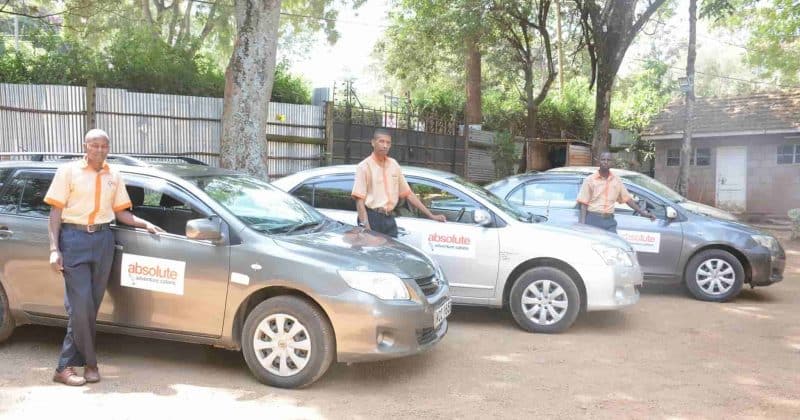
Somewhere in Nairobi, someone just paid for a cab ride with Bitcoin. Not in the “sold BTC on an exchange, withdrew to a bank account, then transferred funds” kind of way. The actual, tap-your-phone-and-go kind of way. And the driver received Kenyan shillings instantly without ever touching a crypto wallet.
That’s the promise of Tando, a Kenyan payments app founded by Jason and Sabina Waithira that has quietly built a bridge between Bitcoin’s Lightning Network and M-Pesa, Kenya’s dominant mobile money system.
How Tando actually works
A customer pays in Bitcoin over the Lightning Network. Tando converts it to Kenyan shillings instantly. The merchant receives KES directly into their M-Pesa account. No crypto wallet required on the merchant’s end, no volatility risk, no waiting around for block confirmations.
The app launched in July 2024 and was already processing over 100 transactions daily by mid-2025. Users pay no additional transaction fees, which removes one of the biggest friction points that has historically plagued crypto payments.
In May 2026, Tando hit a milestone that explains why this story matters beyond Kenya’s borders. The app enabled approximately 40 million Kenyans to receive Bitcoin payments by converting their M-Pesa phone numbers directly into Lightning addresses. Forty million people, roughly the entire adult population of Kenya, can now be on the receiving end of a Lightning payment without downloading anything new or understanding what a satoshi is.
The news moving money, markets, and the world—before your day starts.
Daily. Free. Join 34,000+ readers across crypto, finance, and policy.
Why Kenya is the perfect testing ground
To understand why this works in Kenya specifically, you need to understand M-Pesa. Launched in 2007 by Safaricom, M-Pesa essentially turned every phone number into a bank account long before the rest of the world started talking about “financial inclusion.”
Real-world use cases have already been demonstrated publicly. During the 2024 African Bitcoin Conference, attendees used Tando to pay for transportation fares and restaurant bills. By the time the Bitcoin Nairobi Conference rolled around in June 2026, the app’s new capability of converting M-Pesa numbers into Lightning addresses was a major talking point.
The founders champion a “spend, not sell” approach to Bitcoin. Rather than treating BTC as a speculative asset you eventually cash out, the idea is to use it as actual money.
What this means for investors and the broader market
Tando has demonstrated that you can plug Bitcoin into an existing, trusted, widely adopted financial system without asking merchants to change anything about how they operate. The merchant doesn’t need a wallet. They don’t need to understand Lightning channels. They just get shillings.
The risk, of course, is regulatory. Kenya’s approach to crypto regulation has been evolving, and any sudden policy shift could disrupt Tando’s operations. There’s also the question of sustainability: processing payments with zero fees is a great user acquisition strategy, but it’s not an obvious business model.