
BLG Xun secures Ocean Soul with clutch Drake steal at MSI 2026

BLG Xun secures Ocean Soul with clutch Drake steal at MSI 2026

Bilibili Gaming's jungler delivers a highlight-reel objective steal that could reshape the tournament bracket, and it says something about where esports and crypto actually stand

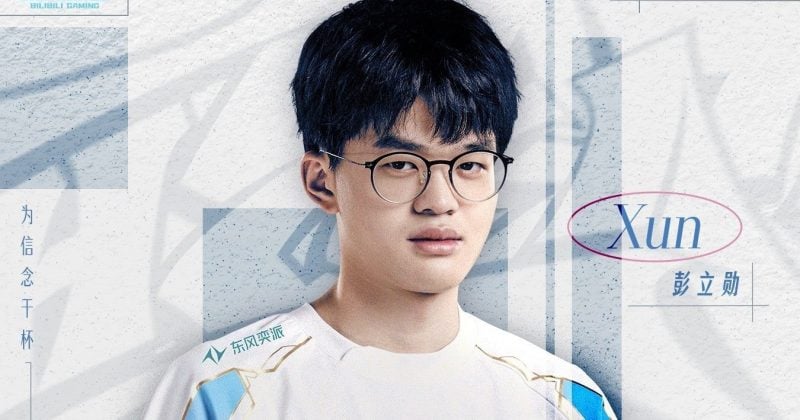
Bilibili Gaming jungler Xun just pulled off one of the most impactful plays of MSI 2026, stealing an Ocean Drake from the opposing team and locking in the Ocean Soul for BLG.

For anyone not fluent in League of Legends terminology, here’s the translation. Teams fight over dragon objectives throughout a match, and collecting four of the same type grants a powerful “Soul” buff. The Ocean Soul specifically gives a team massive sustain advantages during fights, essentially letting them heal through damage that would otherwise be lethal.

Advertisement

Why this play matters beyond the Rift

Xun has built a reputation for exactly this kind of high-leverage objective play. He rejoined BLG in December 2025, and his return has coincided with the team’s push into MSI 2026 as a serious contender. The jungler role in League of Legends is essentially the team’s roaming playmaker, responsible for securing neutral objectives like dragons and Baron Nashor.

Xun reportedly plans to depart from BLG after this tournament cycle, which means this could be one of his final signature moments in the org’s jersey.

The crypto angle that isn’t there, and why that’s worth noting

A token called Dragon Soul Token (DST) does exist in the Web3 ecosystem, but it’s a utility token for League of Kingdoms, a completely separate blockchain-based strategy game. It has zero connection to Riot Games’ League of Legends or to Bilibili Gaming’s competitive roster.

Riot Games has shown little appetite for crypto partnerships, preferring to keep its competitive integrity framework clean of tokenized incentive structures.

What crypto-native investors should actually watch

The projects that might eventually bridge the gap between esports and blockchain will likely need buy-in from publishers like Riot, Valve, or Epic Games. Until that happens, the smart play is to evaluate gaming tokens on their own merits rather than assuming proximity to mainstream esports will generate value.

Disclosure: This article was edited by Editorial Team. For more information on how we create and review content, see our Editorial Policy.

BLG Xun secures Ocean Soul with clutch Drake steal at MSI 2026

BLG Xun secures Ocean Soul with clutch Drake steal at MSI 2026

Bilibili Gaming's jungler delivers a highlight-reel objective steal that could reshape the tournament bracket, and it says something about where esports and crypto actually stand

Bilibili Gaming jungler Xun just pulled off one of the most impactful plays of MSI 2026, stealing an Ocean Drake from the opposing team and locking in the Ocean Soul for BLG.

For anyone not fluent in League of Legends terminology, here’s the translation. Teams fight over dragon objectives throughout a match, and collecting four of the same type grants a powerful “Soul” buff. The Ocean Soul specifically gives a team massive sustain advantages during fights, essentially letting them heal through damage that would otherwise be lethal.

Advertisement

Why this play matters beyond the Rift

Xun has built a reputation for exactly this kind of high-leverage objective play. He rejoined BLG in December 2025, and his return has coincided with the team’s push into MSI 2026 as a serious contender. The jungler role in League of Legends is essentially the team’s roaming playmaker, responsible for securing neutral objectives like dragons and Baron Nashor.

Xun reportedly plans to depart from BLG after this tournament cycle, which means this could be one of his final signature moments in the org’s jersey.

The crypto angle that isn’t there, and why that’s worth noting

A token called Dragon Soul Token (DST) does exist in the Web3 ecosystem, but it’s a utility token for League of Kingdoms, a completely separate blockchain-based strategy game. It has zero connection to Riot Games’ League of Legends or to Bilibili Gaming’s competitive roster.

Riot Games has shown little appetite for crypto partnerships, preferring to keep its competitive integrity framework clean of tokenized incentive structures.

What crypto-native investors should actually watch

The projects that might eventually bridge the gap between esports and blockchain will likely need buy-in from publishers like Riot, Valve, or Epic Games. Until that happens, the smart play is to evaluate gaming tokens on their own merits rather than assuming proximity to mainstream esports will generate value.

Disclosure: This article was edited by Editorial Team. For more information on how we create and review content, see our Editorial Policy.