
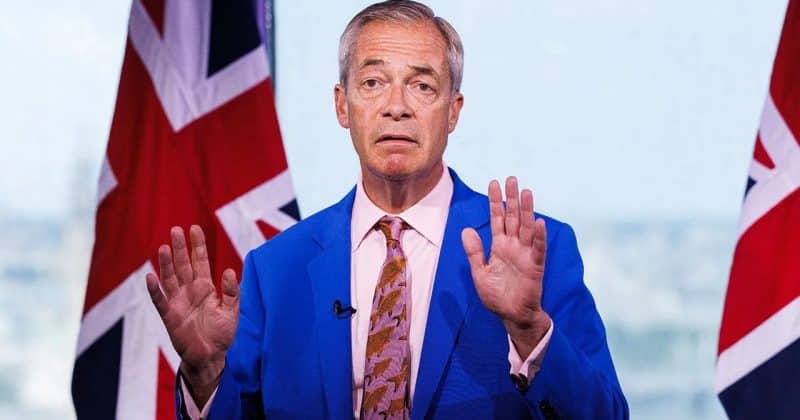
Bank of England governor denies Farage lobbying influenced CBDC policy
Andrew Bailey insisted the central bank's independence remains intact after a scrutinized meeting with Reform UK's leader sparked lobbying allegations tied to stablecoin interests
Bank of England Governor Andrew Bailey wants everyone to know that Nigel Farage does not set monetary policy. Bailey confirmed on July 8 that no policy changes have resulted from interventions by the Reform UK leader, including a September 2025 meeting at the Bank’s headquarters that has since become a political lightning rod.
The denial comes amid allegations from Labour MP Phil Brickell, who filed a complaint on July 2 regarding Farage’s alleged unregistered lobbying activities. The accusation carries extra weight because of Farage’s connection to Christopher Harborne, a financial backer with interests in stablecoin operations, raising questions about whether the meeting was routine political engagement or something more transactional.
What actually happened at the meeting
In September 2025, Farage and Reform UK deputy leader Richard Tice sat down with Bailey at the Bank of England. The agenda covered the Bank’s digital pound initiatives, broader monetary policy, and quantitative easing. The Bank has characterized it as a routine political engagement exercise, the kind of meeting that central bank governors regularly hold with political figures.
Farage didn’t keep his opinions to himself afterward. At an October 2025 event, he publicly criticized the Bank’s plans for what’s been nicknamed “Britcoin,” expressing concern about its implications for financial privacy and what he sees as authoritarian overreach in digital payments.
The digital pound’s slow march forward
The Bank of England has been exploring a retail CBDC since 2021, motivated by declining cash usage and the proliferation of private digital payment solutions.
The news moving money, markets, and the world—before your day starts.
Daily. Free. Join 34,000+ readers across crypto, finance, and policy.
Bailey’s statement emphasized that the Bank’s focus remains on public benefits like fraud reduction. No specific shifts in CBDC timelines or regulations have emerged as a direct result of the September meeting, according to Bailey. The digital pound remains in its exploratory phase, with no firm launch date on the horizon.
What this means for crypto markets
For the broader crypto market, the stablecoin angle is particularly worth watching. Brickell’s complaint specifically raised concerns about potential benefits to Harborne’s stablecoin operations. As the UK develops its regulatory framework for digital assets, the relationship between private stablecoins and a potential government-issued digital pound will be a central tension.
A well-functioning CBDC could theoretically reduce demand for private stablecoins by offering a government-backed alternative for digital payments. Conversely, if the digital pound stalls or gets killed politically, private stablecoins would face less competition in the UK payments landscape.
Traders should pay close attention to two things going forward: whether Brickell’s lobbying complaint gains institutional traction, and whether the Bank of England provides any updated timeline for the digital pound project. Both developments would carry real signal about the UK’s direction on digital currency policy, and by extension, about the regulatory environment facing stablecoin issuers and crypto firms operating in one of the world’s largest financial centers.