
Nexo Earn with Nexo
Bank of Japan’s Ueda speech awaited as yen consolidates against G-10 currencies

Bank of Japan’s Ueda speech awaited as yen consolidates against G-10 currencies

BOJ Governor Kazuo Ueda's upcoming remarks could reshape risk appetite across forex and crypto markets after a divisive rate hold and $35B intervention.

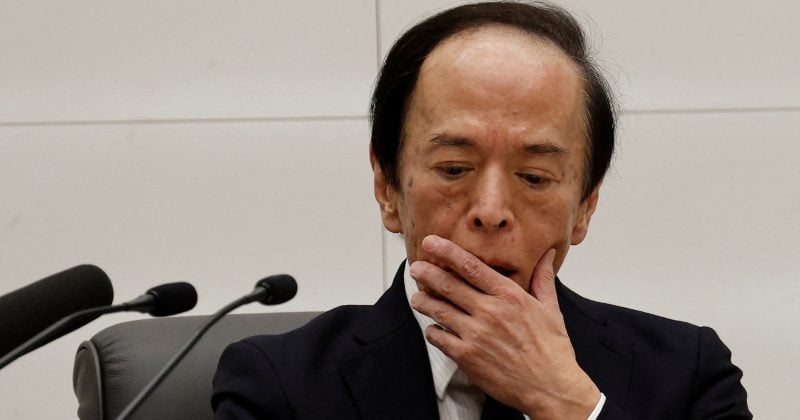
The Japanese yen is sitting in a holding pattern against its G-10 peers ahead of Bank of Japan Governor Kazuo Ueda’s scheduled remarks at the Kisaragi-kai Meeting on June 3.

The BOJ’s April 28 decision to hold its policy rate at 0.75% split 6-3, the widest margin under Ueda’s leadership, with three board members pushing for a hike. That division has reignited speculation that a move to one percent could come as early as the June meeting.

A central bank at a crossroads

The BOJ revised its core inflation forecast for fiscal year 2026 upward to 2.8%, driven largely by global energy supply disruptions stemming from ongoing geopolitical conflicts including tensions in Iran.

Advertisement

Japan conducted a yen-buying intervention estimated at up to $35 billion in late April and early May, marking the country’s first such move in nearly two years. The USD/JPY pair traded near the 155-160 range in May, with the yen quickly surrendering gains from the intervention.

Why crypto traders should care about a Japanese central banker

The yen carry trade works by borrowing in yen at low rates, converting to dollars or another higher-yielding currency, and investing in riskier assets. When the BOJ tightens policy, or even hints at tightening, that trade starts to unwind. Investors sell their riskier positions to pay back yen-denominated loans, and the liquidation pressure can cascade quickly.

After the April 28 BOJ meeting, Bitcoin declined amid concerns about yen strength. BOJ hawkishness creates yen strength, yen strength triggers carry trade unwinds, and carry trade unwinds hit risk assets, including crypto, disproportionately hard.

What this means for investors

The $35 billion intervention suggests Japanese authorities have a pain threshold somewhere around the 155-160 range on USD/JPY. The market knows interventions without matching monetary policy are temporary, which is why the yen’s gains from the intervention evaporated quickly.

The 2.8% core inflation forecast gives Ueda the ammunition to sound hawkish. A central bank with inflation running well above its 2% target and rates at just 0.75% has a credible case for tightening. Ueda’s remarks on June 3 precede the next key monetary policy meeting scheduled for June 15-16, 2026.

Traders watching the June 3 speech should pay close attention to any language around the pace and timing of future rate adjustments, the BOJ’s assessment of inflation persistence, and any commentary on yen valuations. The 6-3 vote split has already indicated that the BOJ is closer to moving than most expected.

Disclosure: This article was edited by Editorial Team. For more information on how we create and review content, see our Editorial Policy.

Bank of Japan’s Ueda speech awaited as yen consolidates against G-10 currencies

Bank of Japan’s Ueda speech awaited as yen consolidates against G-10 currencies

BOJ Governor Kazuo Ueda's upcoming remarks could reshape risk appetite across forex and crypto markets after a divisive rate hold and $35B intervention.

The Japanese yen is sitting in a holding pattern against its G-10 peers ahead of Bank of Japan Governor Kazuo Ueda’s scheduled remarks at the Kisaragi-kai Meeting on June 3.

The BOJ’s April 28 decision to hold its policy rate at 0.75% split 6-3, the widest margin under Ueda’s leadership, with three board members pushing for a hike. That division has reignited speculation that a move to one percent could come as early as the June meeting.

A central bank at a crossroads

The BOJ revised its core inflation forecast for fiscal year 2026 upward to 2.8%, driven largely by global energy supply disruptions stemming from ongoing geopolitical conflicts including tensions in Iran.

Advertisement

Japan conducted a yen-buying intervention estimated at up to $35 billion in late April and early May, marking the country’s first such move in nearly two years. The USD/JPY pair traded near the 155-160 range in May, with the yen quickly surrendering gains from the intervention.

Why crypto traders should care about a Japanese central banker

The yen carry trade works by borrowing in yen at low rates, converting to dollars or another higher-yielding currency, and investing in riskier assets. When the BOJ tightens policy, or even hints at tightening, that trade starts to unwind. Investors sell their riskier positions to pay back yen-denominated loans, and the liquidation pressure can cascade quickly.

After the April 28 BOJ meeting, Bitcoin declined amid concerns about yen strength. BOJ hawkishness creates yen strength, yen strength triggers carry trade unwinds, and carry trade unwinds hit risk assets, including crypto, disproportionately hard.

What this means for investors

The $35 billion intervention suggests Japanese authorities have a pain threshold somewhere around the 155-160 range on USD/JPY. The market knows interventions without matching monetary policy are temporary, which is why the yen’s gains from the intervention evaporated quickly.

The 2.8% core inflation forecast gives Ueda the ammunition to sound hawkish. A central bank with inflation running well above its 2% target and rates at just 0.75% has a credible case for tightening. Ueda’s remarks on June 3 precede the next key monetary policy meeting scheduled for June 15-16, 2026.

Traders watching the June 3 speech should pay close attention to any language around the pace and timing of future rate adjustments, the BOJ’s assessment of inflation persistence, and any commentary on yen valuations. The 6-3 vote split has already indicated that the BOJ is closer to moving than most expected.

Disclosure: This article was edited by Editorial Team. For more information on how we create and review content, see our Editorial Policy.