
Bolivia weighs USDT as official payment method after crypto ban lift

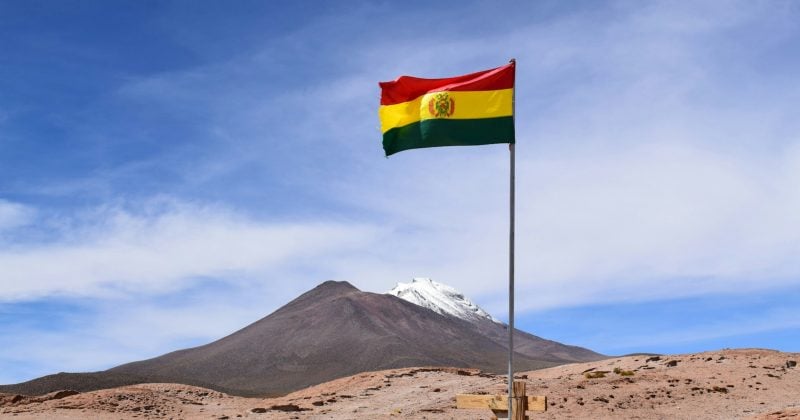
Photo: Milos Hajder

Bolivia weighs USDT as official payment method after crypto ban lift

The proposal would allow individuals and businesses to use the stablecoin for everyday payments, international trade, and remittances, helping address the country's shortage of foreign currency.

The Bolivian government is evaluating the integration of Tether (USDT) into the country’s national payment system, according to recent statements by Economy and Public Finance Minister José Gabriel Espinoza first reported by EL DEBER.

The proposal would allow the stablecoin, whose market capitalization has surpassed $184 billion, to function as a recognized means of payment alongside the US dollar and the Bolivian boliviano.

Advertisement

Espinoza said the initiative represents the next phase of Bolivia’s digital assets policy, following the removal of restrictions on crypto in 2024. He noted that while digital assets are no longer prohibited in the country, formal adoption still requires comprehensive regulation.

Officials say integrating USDT into the payments system would enable consumers and businesses to use the stablecoin more broadly for everyday payments, cross-border trade, remittances, and savings.

The move is also expected to help mitigate shortages of foreign currency and improve access to global digital financial markets. The proposal follows a sharp increase in stablecoin adoption since 2024, when limited access to US dollars drove greater use of USDT across the economy, including for fuel imports and commercial transactions.

The government said implementation will depend on establishing a comprehensive regulatory framework that satisfies international financial supervision requirements, particularly as Bolivia remains on the FATF grey list.

The initiative forms part of a wider strategy under President Rodrigo Paz Pereira to integrate digital assets into the formal banking sector, beginning with stablecoins, Espinoza previously stated. The plan will allow banks to offer crypto-based savings accounts, credit cards, and loans, marking a major policy shift in the country.

Disclosure: This article was edited by Vivian Nguyen. For more information on how we create and review content, see our Editorial Policy.

Bolivia weighs USDT as official payment method after crypto ban lift

Bolivia weighs USDT as official payment method after crypto ban lift

The proposal would allow individuals and businesses to use the stablecoin for everyday payments, international trade, and remittances, helping address the country's shortage of foreign currency.

Photo: Milos Hajder

The Bolivian government is evaluating the integration of Tether (USDT) into the country’s national payment system, according to recent statements by Economy and Public Finance Minister José Gabriel Espinoza first reported by EL DEBER.

The proposal would allow the stablecoin, whose market capitalization has surpassed $184 billion, to function as a recognized means of payment alongside the US dollar and the Bolivian boliviano.

Advertisement

Espinoza said the initiative represents the next phase of Bolivia’s digital assets policy, following the removal of restrictions on crypto in 2024. He noted that while digital assets are no longer prohibited in the country, formal adoption still requires comprehensive regulation.

Officials say integrating USDT into the payments system would enable consumers and businesses to use the stablecoin more broadly for everyday payments, cross-border trade, remittances, and savings.

The move is also expected to help mitigate shortages of foreign currency and improve access to global digital financial markets. The proposal follows a sharp increase in stablecoin adoption since 2024, when limited access to US dollars drove greater use of USDT across the economy, including for fuel imports and commercial transactions.

The government said implementation will depend on establishing a comprehensive regulatory framework that satisfies international financial supervision requirements, particularly as Bolivia remains on the FATF grey list.

The initiative forms part of a wider strategy under President Rodrigo Paz Pereira to integrate digital assets into the formal banking sector, beginning with stablecoins, Espinoza previously stated. The plan will allow banks to offer crypto-based savings accounts, credit cards, and loans, marking a major policy shift in the country.

Disclosure: This article was edited by Vivian Nguyen. For more information on how we create and review content, see our Editorial Policy.