
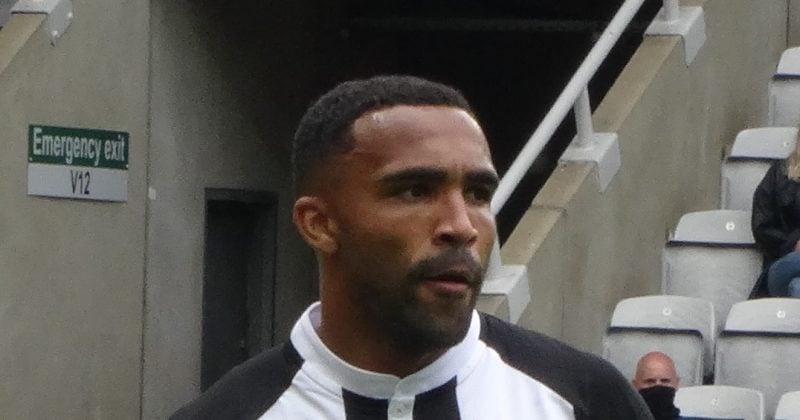
Brentford’s crypto sponsor BingX watches from the sidelines as club signs Callum Wilson without a token in sight
The Premier League club's purely traditional transfer highlights the stubborn gap between crypto sponsorships and actual sports transactions.
Brentford FC confirmed the signing of 34-year-old striker Callum Wilson on a one-year contract on July 9, 2026. The deal is entirely conventional: no tokens, no blockchain-based payment rails, no NFT commemoratives. Just a free agent putting pen to paper.
That might sound unremarkable. But consider the context: Brentford renewed its sponsorship deal with crypto exchange BingX just three months ago, in April 2026. The club has been one of the Premier League’s more crypto-friendly outfits, previously partnering with CoinJar from 2021 to 2023. And yet, when it came time to actually move money for a player, the industry that plasters its name across the club’s branding was nowhere near the transaction.
The deal itself
Wilson arrives at Brentford as a free agent following his departure from West Ham United. Discussions between the two sides reportedly began around June 30, giving the club roughly a week to finalize terms before making the announcement public.
The England international brings a resume that includes productive spells at Newcastle United and AFC Bournemouth. At 34, he’s not a long-term project. Brentford is buying experience and proven Premier League goal-scoring ability, hedging their bet with a short one-year commitment.
Crypto’s long courtship with football
Brentford’s relationship with the crypto sector tells a familiar story. The club signed CoinJar as a partner in 2021, riding the wave of crypto firms flooding into sports sponsorships during the bull market. That deal ran through 2023, roughly coinciding with the period when the industry had money to burn on brand awareness.
The news moving money, markets, and the world—before your day starts.
Daily. Free. Join 34,000+ readers across crypto, finance, and policy.
The BingX renewal in April 2026 suggests the relationship has matured past the “throw money at any sporting entity with a pulse” phase. Brentford clearly sees ongoing value in crypto partnerships, and BingX apparently sees ongoing value in Premier League eyeballs. But the partnership remains firmly in the branding lane.
What this means for crypto investors watching sports
The distinction matters because sponsorship revenue and operational integration are fundamentally different things. A crypto exchange paying for logo placement generates brand awareness. A crypto exchange actually facilitating player payments or transfer settlements would represent genuine financial infrastructure adoption. Brentford is doing the first. Nobody in football is really doing the second.
For investors in exchange tokens or platforms with sports partnerships, the calculus remains straightforward. These deals are marketing expenses, not signals of deeper integration into the sports economy. BingX gets its name in front of millions of Premier League viewers. Brentford gets a reliable revenue stream from a sector eager to buy legitimacy through association with established brands.