
Nexo Earn with Nexo
Vitalik Buterin advocates for open source as Europe’s tech advantage

Vitalik Buterin advocates for open source as Europe’s tech advantage

The Ethereum co-founder argues that open-source development is the continent's most viable path to competing with US and Chinese tech giants in AI and beyond.

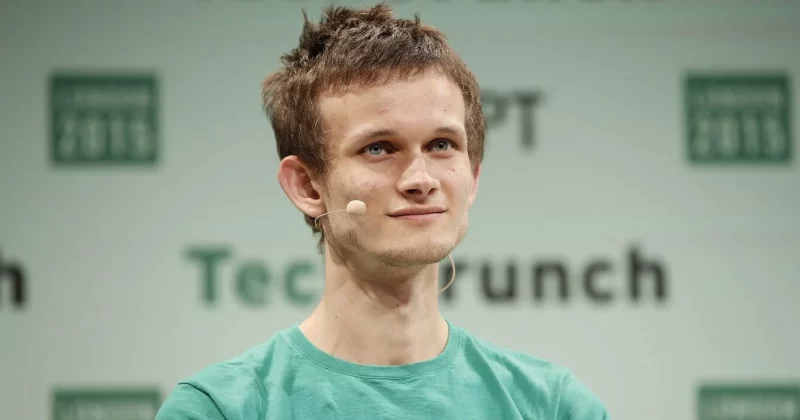
Vitalik Buterin has been pushing the idea that open-source technology represents Europe’s best path to compete in tech and AI. Not through subsidies, not through protectionist regulation, but through code that anyone can inspect, modify, and deploy without asking permission from a corporate gatekeeper.

The case for open source as strategy, not ideology

Buterin’s argument is that open source offers something different from both the US megacap platform model and China’s state-backed alternatives. Instead of trying to out-capitalize Silicon Valley or out-centralize Beijing, Europe could lean into building transparent, verifiable technology stacks that serve as genuine alternatives to closed-source solutions from major tech firms.

This isn’t just theoretical musing from Buterin. He’s put serious money behind the conviction. In January 2026, he withdrew approximately 16,384 ETH, estimated at around $45 million, to fund open-source security and privacy projects.

Advertisement

Buterin has also restructured his own personal computing setup to run on open-source AI models. He reportedly uses Qwen3.5:35B on consumer hardware, achieving around 90 tokens per second, all without relying on centralized cloud services.

Sanctuary technologies and the EU’s regulatory tightrope

In March 2026, Buterin argued that Ethereum should focus on tools that protect user freedom, citing examples like Starlink and Signal as models worth emulating. Sanctuary technologies are tools that function even when governments or corporations try to restrict access, designed to be resilient against censorship, surveillance, and centralized control.

Buterin has been critical of specific EU policies, notably the Digital Services Act, arguing that such regulation could actually hinder innovation and undermine the privacy safeguards it claims to protect.

Buterin’s blog has explored themes of full-stack openness and copyleft licensing as mechanisms to ensure open-source projects remain genuinely open rather than getting absorbed into corporate ecosystems.

Since Ethereum’s launch in 2015, Buterin has consistently championed open-source development as essential for decentralized systems.

What this means for investors

The $45 million commitment to open-source security and privacy projects isn’t just philanthropy. It’s seed capital for an ecosystem that could produce the next generation of privacy-preserving applications. Investors watching the Ethereum network should track which projects receive funding from these allocations and whether they gain meaningful traction.

If Buterin’s critique of the Digital Services Act gains political traction, and if European policymakers start viewing open source as a strategic asset rather than a niche developer preference, the regulatory environment for decentralized applications in Europe could shift meaningfully.

Disclosure: This article was edited by Editorial Team. For more information on how we create and review content, see our Editorial Policy.

Vitalik Buterin advocates for open source as Europe’s tech advantage

Vitalik Buterin advocates for open source as Europe’s tech advantage

The Ethereum co-founder argues that open-source development is the continent's most viable path to competing with US and Chinese tech giants in AI and beyond.

Vitalik Buterin has been pushing the idea that open-source technology represents Europe’s best path to compete in tech and AI. Not through subsidies, not through protectionist regulation, but through code that anyone can inspect, modify, and deploy without asking permission from a corporate gatekeeper.

The case for open source as strategy, not ideology

Buterin’s argument is that open source offers something different from both the US megacap platform model and China’s state-backed alternatives. Instead of trying to out-capitalize Silicon Valley or out-centralize Beijing, Europe could lean into building transparent, verifiable technology stacks that serve as genuine alternatives to closed-source solutions from major tech firms.

This isn’t just theoretical musing from Buterin. He’s put serious money behind the conviction. In January 2026, he withdrew approximately 16,384 ETH, estimated at around $45 million, to fund open-source security and privacy projects.

Advertisement

Buterin has also restructured his own personal computing setup to run on open-source AI models. He reportedly uses Qwen3.5:35B on consumer hardware, achieving around 90 tokens per second, all without relying on centralized cloud services.

Sanctuary technologies and the EU’s regulatory tightrope

In March 2026, Buterin argued that Ethereum should focus on tools that protect user freedom, citing examples like Starlink and Signal as models worth emulating. Sanctuary technologies are tools that function even when governments or corporations try to restrict access, designed to be resilient against censorship, surveillance, and centralized control.

Buterin has been critical of specific EU policies, notably the Digital Services Act, arguing that such regulation could actually hinder innovation and undermine the privacy safeguards it claims to protect.

Buterin’s blog has explored themes of full-stack openness and copyleft licensing as mechanisms to ensure open-source projects remain genuinely open rather than getting absorbed into corporate ecosystems.

Since Ethereum’s launch in 2015, Buterin has consistently championed open-source development as essential for decentralized systems.

What this means for investors

The $45 million commitment to open-source security and privacy projects isn’t just philanthropy. It’s seed capital for an ecosystem that could produce the next generation of privacy-preserving applications. Investors watching the Ethereum network should track which projects receive funding from these allocations and whether they gain meaningful traction.

If Buterin’s critique of the Digital Services Act gains political traction, and if European policymakers start viewing open source as a strategic asset rather than a niche developer preference, the regulatory environment for decentralized applications in Europe could shift meaningfully.

Disclosure: This article was edited by Editorial Team. For more information on how we create and review content, see our Editorial Policy.