
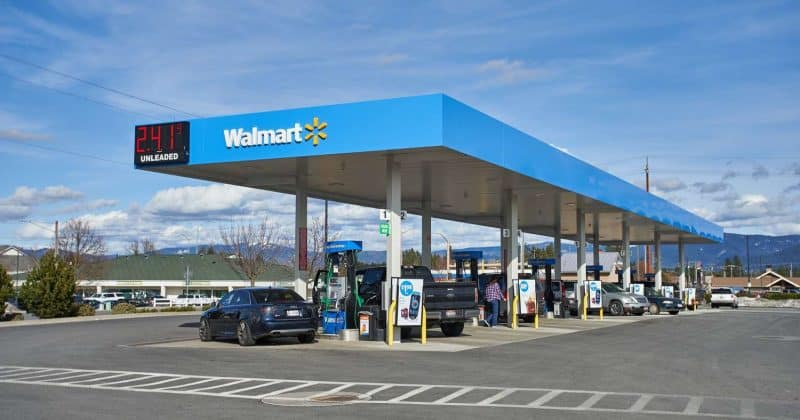
California drivers sue Walmart, 7-Eleven, and Kalibrate over AI-powered gas price fixing
A proposed class-action lawsuit alleges AI pricing software acted as the 'central nervous system for a conspiracy' that inflated fuel costs by up to 30 cents per gallon across more than 1,700 stations
A group of California drivers just filed what could become one of the most consequential antitrust cases in the AI era. And it’s not about crypto, cloud computing, or ad targeting. It’s about the price you pay at the pump.
The proposed class-action lawsuit, filed June 22 in the US District Court for the Eastern District of California, accuses major gas station operators and UK-based software provider Kalibrate of using AI-driven pricing tools to keep fuel prices artificially high. The defendants include some of the biggest names in retail fuel: Walmart, 7-Eleven, BP, Circle K, and Marathon Petroleum, which together control over 1,700 gas stations across the state.
How the alleged scheme worked
At the center of the lawsuit is Kalibrate’s “Kalibrate Fuel Pricing” software. The plaintiffs describe it as the “central nervous system for a conspiracy” to suppress retail fuel price competition. Here’s how the alleged mechanism works in plain English: the software ingests competitive pricing data from stations across a given market, then recommends prices that keep margins high for everyone using the tool.
Rather than encouraging stations to undercut each other, which is how competition is supposed to work, the software allegedly discourages price cuts to avoid what Kalibrate internally frames as a “downward spiral.”
The plaintiffs claim this coordinated approach inflated gas prices by 6 to 30 cents per gallon in areas where adoption of the software was highest. According to the lawsuit, even a 1-cent-per-gallon increase statewide translates to roughly $134 million in additional annual costs for California drivers.
The legal battlefield
The lawsuit is seeking damages for California residents who purchased gas from the affected stations at any point since June 2022.
AI, tech, and the markets they move—in one daily briefing.
Daily. Free. Join 34,000+ readers across crypto, finance, and policy.
The case will test two pieces of California law in particular. The Cartwright Act, California’s primary antitrust statute, prohibits agreements that restrain trade. Assembly Bill 325, a newer law, specifically addresses algorithmic price fixing.
Traditional antitrust cases require proving that competitors explicitly agreed to fix prices. But algorithmic pricing creates a new problem: competitors don’t need to talk to each other if they’re all feeding data into the same software that spits out the same price recommendations.
Kalibrate has denied the allegations. The company has stated its intent to defend against the charges vigorously, though it hasn’t publicly detailed its counterarguments. Most of the retailer defendants had not responded publicly as of the filing date.
What this means for investors
For Kalibrate specifically, the stakes are existential. The company’s core business is selling exactly the type of pricing optimization software that the lawsuit alleges constitutes a conspiracy tool. A ruling that this business model violates antitrust law doesn’t just cost Kalibrate a client. It threatens the entire product category.
Investors in fuel retail companies should watch how discovery unfolds. The most damning evidence in these cases typically comes from internal communications, emails where software vendors or station operators discuss the competitive effects of coordinated pricing.