
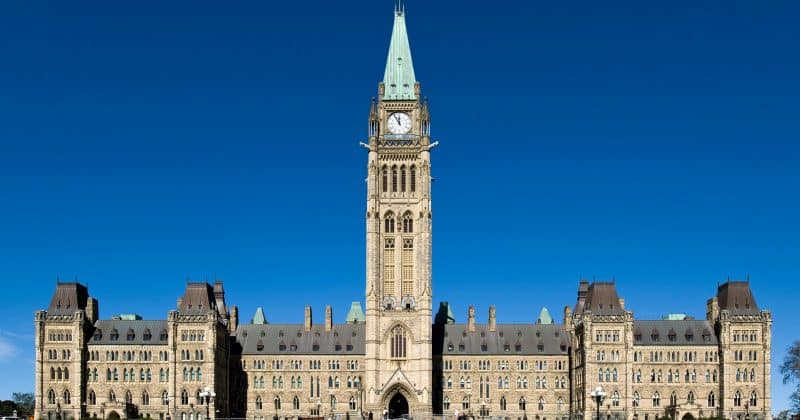
Canada introduces teen social media ban with Big Tech off-ramp
Ottawa's proposed online harms bill would block under-16s from social media, but platforms that prove they're safe enough can apply to keep serving young users.
Canada is preparing to tell Big Tech companies they can’t serve teenagers on social media anymore, unless they can prove they’ve implemented effective safety measures. The federal government under Prime Minister Mark Carney is expected to table an online harms bill around June 10-11 that would ban social media access for anyone under 16, while simultaneously handing compliant platforms a way to sidestep the restriction entirely.
What the bill actually does
The proposed legislation would set 16 as the minimum age for social media use across Canada. The bill includes a provision allowing platforms to apply for exemptions if they can demonstrate they’ve implemented effective safety measures for younger users. Companies that invest in safety tools, content moderation, and protective features for minors could continue operating for that demographic. Companies that don’t, or won’t, get shut out.
The bill also includes provisions targeting artificial intelligence chatbots and the risks they pose to young users. To oversee all of this, Ottawa plans to establish an entirely new digital safety regulator.
The privacy problem and the political backdrop
Age verification is the elephant in the room. To enforce a ban on under-16s, platforms would need some reliable method of confirming how old their users actually are, raising questions about data collection and the personal information companies would need to gather, process, and store. Advocacy groups that have spent years pushing for exactly this kind of regulation are broadly supportive of the intent but wary of the implementation.
This is also Canada’s second swing at federal online safety legislation. A prior bill failed in Parliament in 2025, meaning the Carney government is working from a playbook that already produced one legislative strikeout. Provinces have been moving independently as well. Nova Scotia has its own plans for an under-16 ban, while Quebec has recommended restrictions for children under 14 with a parental consent layer for the 14-to-16 bracket.
What this means for investors
This bill doesn’t mention cryptocurrency, blockchain, or digital assets in any form. The immediate relevance to crypto markets is approximately zero. For traditional tech and social media stocks, companies that already invest heavily in safety tooling, robust content moderation, parental controls, and age-gating would have an easier path to the exemption. Smaller platforms or those with thinner safety investments might find themselves locked out of the Canadian teen market entirely.
Australia passed its own social media age restrictions in late 2024, and now Canada is following suit. The age verification question also creates a potential market for identity and compliance technology providers, as privacy-preserving identity verification has been a growth area that regulatory mandates tend to accelerate.