
CFTC chair calls CME’s self-certified 24/7 crude oil futures trading ‘wholly inappropriate’

CFTC chair calls CME’s self-certified 24/7 crude oil futures trading ‘wholly inappropriate’

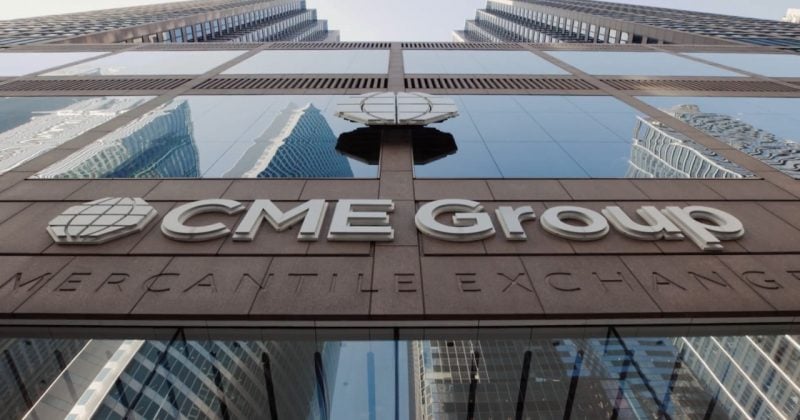
Chairman Michael Selig moved to stay CME Group's continuous trading contract just one day before its planned launch, escalating tensions between the regulator and the world's largest derivatives exchange.

The CFTC just pulled the emergency brake on CME Group’s attempt to launch around-the-clock crude oil futures trading, with Chairman Michael Selig calling the exchange’s decision to self-certify the product “wholly inappropriate.”

On July 9, Selig announced the Commission would invoke its authority under 17 C.F.R. 40.2(c) to stay the listing of a new 10-barrel WTI Crude Oil futures contract, ticker symbol TCL, that CME had planned to launch as early as July 10. The exchange had filed its self-certification just one day prior, on July 8, giving the regulator barely any runway to evaluate whether the contract complied with the Commodity Exchange Act.

A miniature contract with outsized implications

At 10 barrels, the TCL contract is roughly 1/100th the size of the standard CL crude oil futures contract that institutional traders use. CME’s existing crude oil futures already trade on an extended schedule, running from Sunday through Friday with daily breaks built in. The proposed TCL contract would have eliminated those breaks entirely, operating on a true 24/7 continuous basis.

Advertisement

Self-certification as a regulatory shortcut

The self-certification process allows designated contract markets like CME to announce new products swiftly, often within a day, barring CFTC intervention. Selig’s core argument is that the CFTC is actively examining what regulatory framework should govern continuous trading in derivatives markets. By self-certifying a 24/7 product while that review is ongoing, CME effectively tried to set precedent before the regulator had finished writing the rules.

Selig emphasized that the CFTC’s review of 24/7 futures trading is focused on ensuring compliance with statutory Core Principles, the foundational requirements that govern everything from market integrity to customer protection. His position is that each new continuous-trading product needs case-by-case evaluation. The CFTC has been closely monitoring market conditions since mid-June, with global tensions and ongoing volatility creating an environment where regulators are particularly wary of structural changes that could amplify price swings during thin overnight liquidity windows.

CME and the CFTC are not exactly on great terms

CME and the CFTC are already locked in a separate legal battle that erupted in June 2026 over the approval of certain perpetual futures products. That lawsuit adds a layer of institutional friction to every interaction between the two parties. When CME filed its self-certification on July 8, it did so knowing the CFTC was already in an adversarial posture.

What this means for traders and investors

The stay on CME’s crude oil contract doesn’t kill 24/7 commodity trading. It delays it and signals that the CFTC intends to control the rollout rather than let exchanges dictate the timeline through self-certification. Any future 24/7 products in commodities will likely require more extensive regulatory engagement before launch.

Crypto exchanges already offer perpetual contracts on oil and other commodities with 24/7 availability. Every month that traditional exchanges can’t match that schedule is another month where crypto platforms serve as the de facto venue for traders who want continuous commodity exposure.

Disclosure: This article was edited by Editorial Team. For more information on how we create and review content, see our Editorial Policy.

CFTC chair calls CME’s self-certified 24/7 crude oil futures trading ‘wholly inappropriate’

CFTC chair calls CME’s self-certified 24/7 crude oil futures trading ‘wholly inappropriate’

Chairman Michael Selig moved to stay CME Group's continuous trading contract just one day before its planned launch, escalating tensions between the regulator and the world's largest derivatives exchange.

The CFTC just pulled the emergency brake on CME Group’s attempt to launch around-the-clock crude oil futures trading, with Chairman Michael Selig calling the exchange’s decision to self-certify the product “wholly inappropriate.”

On July 9, Selig announced the Commission would invoke its authority under 17 C.F.R. 40.2(c) to stay the listing of a new 10-barrel WTI Crude Oil futures contract, ticker symbol TCL, that CME had planned to launch as early as July 10. The exchange had filed its self-certification just one day prior, on July 8, giving the regulator barely any runway to evaluate whether the contract complied with the Commodity Exchange Act.

A miniature contract with outsized implications

At 10 barrels, the TCL contract is roughly 1/100th the size of the standard CL crude oil futures contract that institutional traders use. CME’s existing crude oil futures already trade on an extended schedule, running from Sunday through Friday with daily breaks built in. The proposed TCL contract would have eliminated those breaks entirely, operating on a true 24/7 continuous basis.

Advertisement

Self-certification as a regulatory shortcut

The self-certification process allows designated contract markets like CME to announce new products swiftly, often within a day, barring CFTC intervention. Selig’s core argument is that the CFTC is actively examining what regulatory framework should govern continuous trading in derivatives markets. By self-certifying a 24/7 product while that review is ongoing, CME effectively tried to set precedent before the regulator had finished writing the rules.

Selig emphasized that the CFTC’s review of 24/7 futures trading is focused on ensuring compliance with statutory Core Principles, the foundational requirements that govern everything from market integrity to customer protection. His position is that each new continuous-trading product needs case-by-case evaluation. The CFTC has been closely monitoring market conditions since mid-June, with global tensions and ongoing volatility creating an environment where regulators are particularly wary of structural changes that could amplify price swings during thin overnight liquidity windows.

CME and the CFTC are not exactly on great terms

CME and the CFTC are already locked in a separate legal battle that erupted in June 2026 over the approval of certain perpetual futures products. That lawsuit adds a layer of institutional friction to every interaction between the two parties. When CME filed its self-certification on July 8, it did so knowing the CFTC was already in an adversarial posture.

What this means for traders and investors

The stay on CME’s crude oil contract doesn’t kill 24/7 commodity trading. It delays it and signals that the CFTC intends to control the rollout rather than let exchanges dictate the timeline through self-certification. Any future 24/7 products in commodities will likely require more extensive regulatory engagement before launch.

Crypto exchanges already offer perpetual contracts on oil and other commodities with 24/7 availability. Every month that traditional exchanges can’t match that schedule is another month where crypto platforms serve as the de facto venue for traders who want continuous commodity exposure.

Disclosure: This article was edited by Editorial Team. For more information on how we create and review content, see our Editorial Policy.