
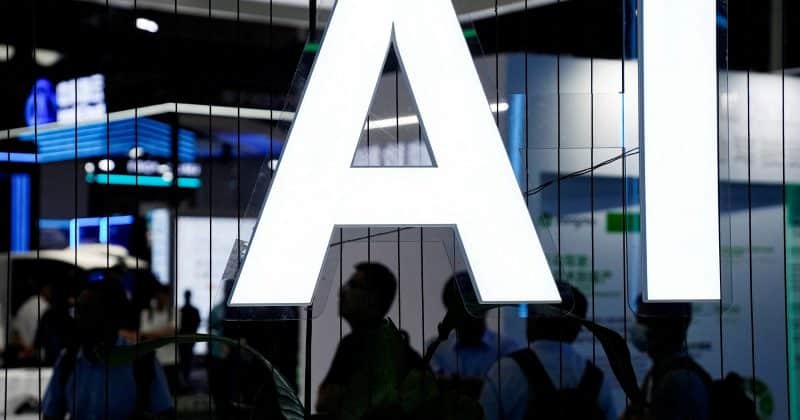
Chinese authorities meet with top tech firms to discuss AI access restrictions
Beijing's Ministry of Commerce has been huddling with Alibaba, ByteDance, and other major players about limiting overseas access to the country's most advanced AI models.
China is quietly building a wall around its best AI. Over the past month, the Ministry of Commerce has convened meetings with the country’s top tech companies to discuss restricting international access to China’s most advanced artificial intelligence models, a move that reframes cutting-edge AI as a sovereign resource rather than a global commodity.
The firms at the table include Alibaba, ByteDance, and Z.ai, three of the most consequential names in China’s rapidly maturing AI ecosystem. The discussions cover both existing models and those still in development, suggesting Beijing wants to lock things down before the next generation of capabilities goes live.
The bigger picture: AI as national infrastructure
On May 26, 2026, China expanded travel restrictions on top AI personnel at firms including Alibaba and DeepSeek. Then on July 1, tighter outbound investment regulations kicked in, designed to give Beijing more control over how Chinese capital flows into foreign technology ventures. Six days later, these AI access restriction meetings were still underway.
Earlier in 2026, China moved to restrict the transfer of chips and other sensitive technologies. Now AI models themselves are getting the same treatment.
What this means for global AI competition
The US-China tech rivalry has been escalating for years, with Washington restricting chip exports to China and Beijing responding with its own export controls on critical minerals. But restricting access to AI models represents a qualitatively different kind of move.
AI, tech, and the markets they move—in one daily briefing.
Daily. Free. Join 34,000+ readers across crypto, finance, and policy.
When the US restricted Nvidia’s advanced chips from reaching China, it was limiting inputs. What China is now contemplating is restricting outputs, the trained models themselves, which represent billions of dollars in compute costs and years of research distilled into downloadable weights.
For China’s domestic tech giants, the short-term calculus is mixed. Reduced foreign competition in the Chinese market is nice, but these companies also generate significant revenue from international customers using their AI services. Alibaba’s cloud division, for instance, has been aggressively marketing its AI capabilities overseas.
No final policy decisions have been announced publicly, and the discussions are still ongoing. The fact that the Ministry of Commerce is leading these conversations, rather than a technical standards body, signals that this is being treated as a trade and national security matter.