
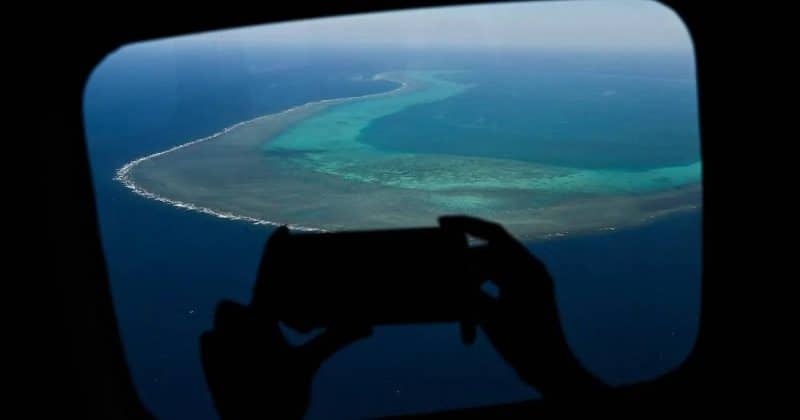
China deploys floating platform at Scarborough Shoal, raising concerns of expanded control
A small research structure in contested waters triggered a diplomatic standoff between Beijing and Manila weeks before the anniversary of a landmark ruling against China's territorial claims
China quietly placed a floating research platform at Scarborough Shoal in the South China Sea in late May, a move that prompted immediate diplomatic protests from the Philippines and reignited tensions over one of the most contested stretches of water on the planet.
The platform, roughly 6 meters by 6 meters, was first spotted via satellite imagery between May 25 and 27. In English: a structure about the size of a large living room, anchored in waters that the Philippines considers part of its exclusive economic zone and that China claims as sovereign territory.
What showed up and what happened next
The floating facility was believed to be equipped with an antenna and staffed by personnel. Chinese authorities characterized it as a temporary setup supporting “comprehensive research” conducted by the South China Sea Institute of Oceanology, framing the deployment as routine marine science.
The Philippines saw it differently. Philippine authorities protested the platform’s presence, labeling the activities “illegal” and pushing back against any installation, however temporary, that could establish a foothold for permanent Chinese infrastructure in the area.
The standoff didn’t last long in physical terms. A Chinese research vessel named Yue Zhan Yu Ke 6 dismantled and removed the platform on or around June 16. Philippine officials confirmed the structure’s departure by June 17.
The news moving money, markets, and the world—before your day starts.
Daily. Free. Join 34,000+ readers across crypto, finance, and policy.
The Scarborough Shoal powder keg
Scarborough Shoal sits roughly 120 nautical miles west of the Philippine island of Luzon. The Philippines designates the area as Bajo de Masinloc, within its exclusive economic zone. China calls it Huangyan Island and claims “indisputable sovereignty” over the feature.
China effectively seized control of the shoal in 2012 after a tense naval standoff with the Philippines, and has maintained a near-constant coast guard presence there since. Filipino fishermen have periodically been blocked from traditional fishing grounds, and confrontations between Chinese and Philippine vessels in the area have become a recurring feature of the relationship.
The platform appeared just weeks before the 10th anniversary of the July 12, 2016 ruling by the Permanent Court of Arbitration, which rejected the vast majority of China’s territorial claims in the South China Sea. Beijing has never recognized that ruling, calling it “null and void.”
For the Philippines, President Ferdinand Marcos Jr. has pursued a strategy of transparency, publicly documenting Chinese activities in disputed waters to build international support. The platform incident will likely become another data point in that campaign.
For the US, which maintains a mutual defense treaty with the Philippines, Washington has repeatedly stated that an armed attack on Philippine forces, public vessels, or aircraft in the South China Sea would invoke treaty obligations.