
China fires submarine-launched ballistic missile into Pacific in first public test since 2024
Beijing's JL-3 test signals a more capable and assertive nuclear deterrent, with crypto markets largely unmoved by the provocation
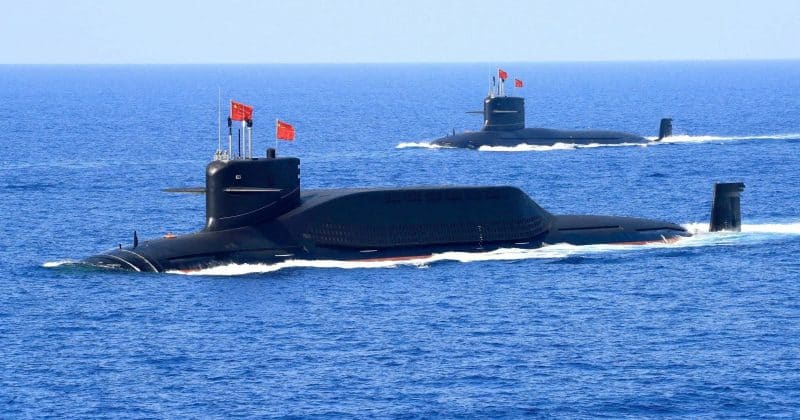
China launched a submarine-fired ballistic missile into the Pacific Ocean on July 6, marking the country’s first publicly acknowledged test of this kind since 2024. A nuclear-powered submarine belonging to the People’s Liberation Army Navy fired the missile, which carried a dummy warhead into designated high-seas waters.
What was tested, and why it matters
The missile involved is believed to be the JL-3, China’s most advanced submarine-launched ballistic missile. The JL-3’s range is significant: it can reach the continental United States from waters relatively close to Chinese shores. That’s a meaningful upgrade from its predecessor, the JL-2, which required submarines to venture much further out to sea before achieving similar reach.
The test was conducted from a Type 094 Jin-class nuclear-powered submarine, with the launch occurring at 12:01 p.m. Beijing time. Beijing described the exercise as part of standard annual training, and Chinese officials stated that advance notifications were issued to relevant parties before the test proceeded.
Regional reaction and geopolitical context
Australia, New Zealand, the United States, Japan, and Taiwan each raised concerns following the launch. The common thread in their criticism centered on regional stability, specifically the precedent set by more frequent and more capable Pacific missile launches linked to nuclear delivery systems.
Macro, rates, and crypto—what moved markets and what matters next.
Daily. Free. Join 34,000+ readers across crypto, finance, and policy.
The South Pacific has become an increasingly contested strategic space. Defense agreements between countries like Australia and Fiji reflect a broader realignment of security partnerships in the region.
Market implications: crypto holds steady
Crypto markets registered no meaningful reaction to the launch. No notable panic selling, no measurable liquidity shifts, no tokens tied to the event. Bitcoin and the broader digital asset market absorbed the news without flinching.
China’s increasing assertiveness in the Pacific has already been a factor in how US policymakers frame technology export controls, chip restrictions, and financial decoupling discussions. Regulatory action tied to national security concerns, stablecoin legislation with geopolitical carve-outs, or shifts in dollar liquidity driven by defense spending and allied burden-sharing are all channels through which this kind of military posturing eventually finds its way into asset prices.