
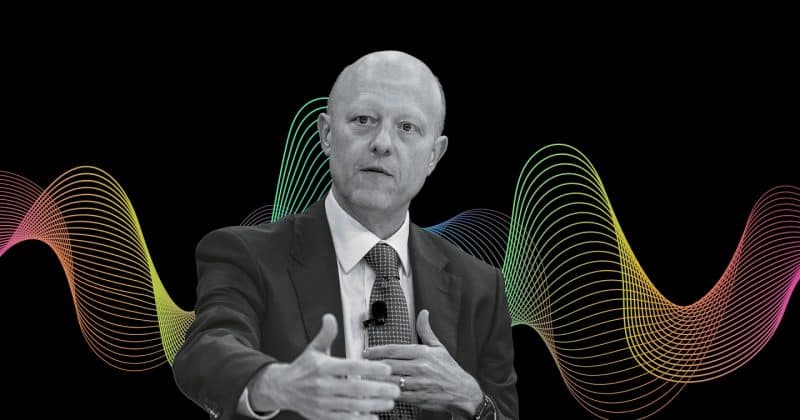
Circle showcases AI agent’s wallet capabilities with USDC transactions

Circle showcases AI agent’s wallet capabilities with USDC transactions

An autonomous AI agent bought a phone number, made a call, and settled the bill, all without human intervention using Circle's new Agent Stack.

An AI agent just walked into a store, bought a phone number, called someone, delivered market analysis, and paid its own tab. No human touched a button. The whole thing ran on USDC through Circle’s newly launched Agent Stack, and it might be the clearest glimpse yet of what the so-called “agentic economy” actually looks like in practice.

The demo showed the agent purchasing a phone number for 5 USDC, initiating a voice call to deliver analysis, and then settling the call costs at 0.133 USDC. In English: a piece of software autonomously managed a digital wallet, decided what to buy, negotiated services, and paid for them, all on-chain.

Inside the Agent Stack

Circle launched the full Agent Stack on May 11, 2026. The infrastructure is built around three core components: programmable Agent Wallets, gas-free Nanopayments, and a dedicated Agent Marketplace where AI agents can discover and transact with services.

Advertisement

The Nanopayments piece is particularly interesting. The system supports USDC transactions as small as 0.000001, which is six decimal places of precision. That’s designed for the kind of high-frequency, low-value interactions that AI agents generate constantly, think thousands of tiny API calls, data lookups, and service requests that each cost fractions of a cent.

Underpinning the payment layer is the open x402 protocol, which lets agents settle payments instantly in USDC without any human stepping in to approve or authorize. The protocol essentially turns USDC into a native settlement layer for machine-to-machine commerce.

The numbers behind the hype

Between March 2025 and March 2026, more than 400,000 AI agents were using USDC for on-chain purchases. Those agents completed 140 million payments totaling $43 million during that period.

The average transaction value across those payments was roughly $0.31. These aren’t large financial transfers. They’re microtransactions, tiny payments for discrete services that only make economic sense on rails with near-zero fees.

Even more striking: 98.6% of all transactions in the nine months leading up to March 2026 were settled in USDC. Not Bitcoin, not ETH, not some obscure DeFi token. USDC has essentially become the default settlement currency for AI agent commerce.

Disclosure: This article was edited by Editorial Team. For more information on how we create and review content, see our Editorial Policy.

Circle showcases AI agent’s wallet capabilities with USDC transactions

Circle showcases AI agent’s wallet capabilities with USDC transactions

An autonomous AI agent bought a phone number, made a call, and settled the bill, all without human intervention using Circle's new Agent Stack.

An AI agent just walked into a store, bought a phone number, called someone, delivered market analysis, and paid its own tab. No human touched a button. The whole thing ran on USDC through Circle’s newly launched Agent Stack, and it might be the clearest glimpse yet of what the so-called “agentic economy” actually looks like in practice.

The demo showed the agent purchasing a phone number for 5 USDC, initiating a voice call to deliver analysis, and then settling the call costs at 0.133 USDC. In English: a piece of software autonomously managed a digital wallet, decided what to buy, negotiated services, and paid for them, all on-chain.

Inside the Agent Stack

Circle launched the full Agent Stack on May 11, 2026. The infrastructure is built around three core components: programmable Agent Wallets, gas-free Nanopayments, and a dedicated Agent Marketplace where AI agents can discover and transact with services.

Advertisement

The Nanopayments piece is particularly interesting. The system supports USDC transactions as small as 0.000001, which is six decimal places of precision. That’s designed for the kind of high-frequency, low-value interactions that AI agents generate constantly, think thousands of tiny API calls, data lookups, and service requests that each cost fractions of a cent.

Underpinning the payment layer is the open x402 protocol, which lets agents settle payments instantly in USDC without any human stepping in to approve or authorize. The protocol essentially turns USDC into a native settlement layer for machine-to-machine commerce.

The numbers behind the hype

Between March 2025 and March 2026, more than 400,000 AI agents were using USDC for on-chain purchases. Those agents completed 140 million payments totaling $43 million during that period.

The average transaction value across those payments was roughly $0.31. These aren’t large financial transfers. They’re microtransactions, tiny payments for discrete services that only make economic sense on rails with near-zero fees.

Even more striking: 98.6% of all transactions in the nine months leading up to March 2026 were settled in USDC. Not Bitcoin, not ETH, not some obscure DeFi token. USDC has essentially become the default settlement currency for AI agent commerce.

Disclosure: This article was edited by Editorial Team. For more information on how we create and review content, see our Editorial Policy.