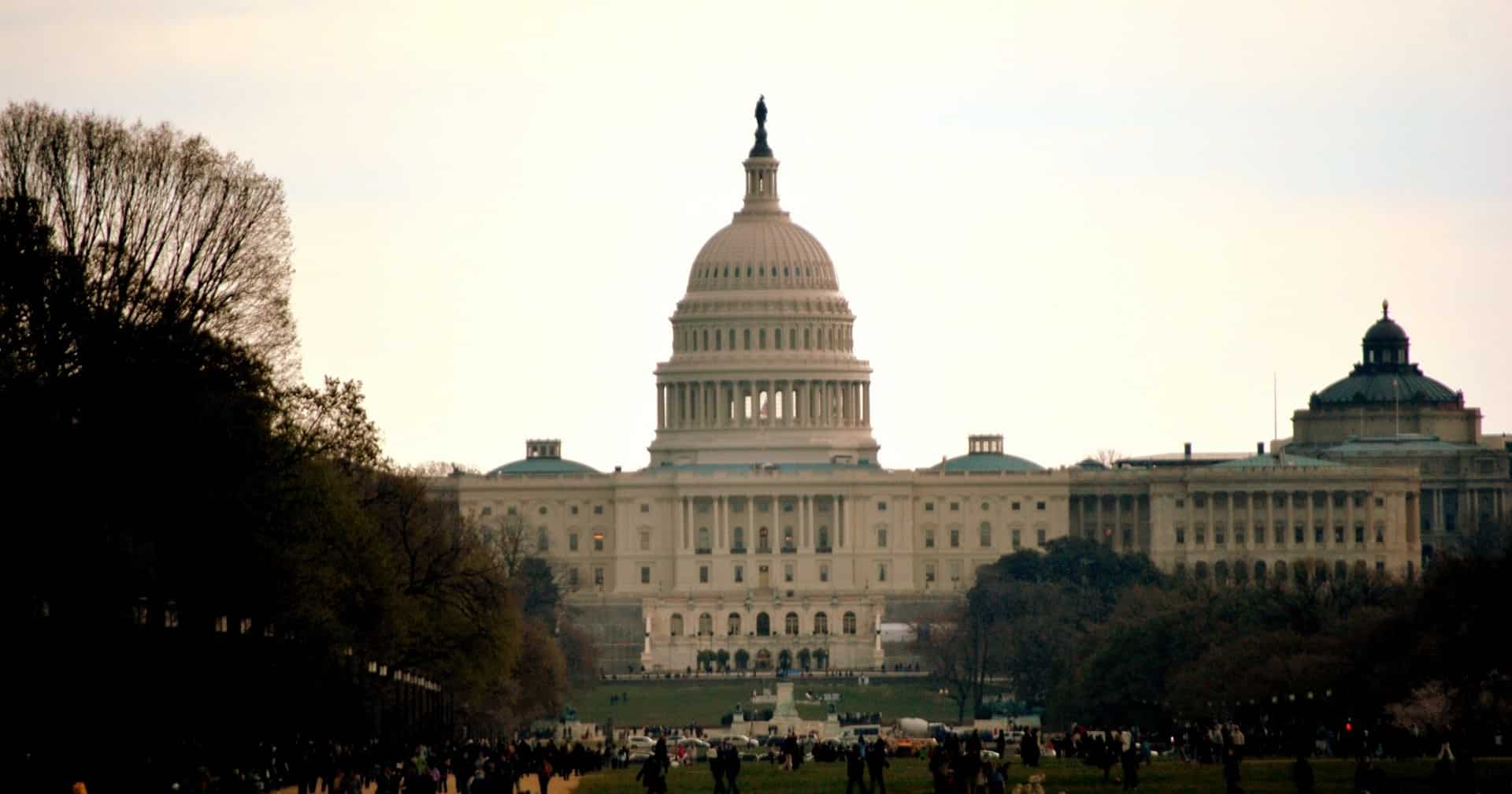
Lawmakers face tight deadline to resolve issues for Clarity Act before July 4
The landmark digital asset bill cleared the House with bipartisan support but still faces hurdles in the Senate as the White House pushes for a summer signing
The most comprehensive crypto regulatory bill in US history is racing against a deadline that’s now uncomfortably close. The White House wants the Digital Asset Market Clarity Act, better known as the CLARITY Act, signed into law by July 4, and lawmakers say they’re optimistic.
The bill, which would finally draw clear jurisdictional lines between the SEC and the CFTC over digital assets, has already cleared its biggest legislative test. It passed the House on July 17, 2025, with a 294-134 vote, a margin that qualifies as genuinely bipartisan by modern congressional standards. The Senate Banking Committee advanced it on May 14, 2026. Now comes the hard part: getting the full Senate to agree on final language while navigating a minefield of ethics concerns.
What the CLARITY Act actually does
The CLARITY Act addresses the SEC-CFTC jurisdictional dispute by creating a classification framework. Digital assets deemed “ancillary assets” would fall under SEC oversight as securities. Other digital commodities would land under the CFTC’s jurisdiction. The idea is to give projects and exchanges a clear path to compliance rather than the current approach of regulation-by-enforcement.
Representative French Hill introduced the bill on May 29, 2025. It represents the next logical step after the GENIUS Act, which established a regulatory framework specifically for stablecoins and passed in 2025.
The sticking points
Ethics provisions have become the central point of contention in Senate negotiations. The concern revolves around potential conflicts of interest affecting key officials, including President Trump, whose family’s involvement in crypto ventures has drawn scrutiny throughout his administration.
The news moving money, markets, and the world—before your day starts.
Daily. Free. Join 34,000+ readers across crypto, finance, and policy.
White House adviser Patrick Witt has been working to bridge the gap between Senate factions. Key senators driving the bill forward include Tim Scott and Cynthia Lummis, both of whom have been vocal advocates for establishing crypto-friendly regulatory clarity in the US.
Why this matters for crypto investors
The EU’s MiCA framework has been live since 2024, giving European markets a regulatory head start. Singapore, the UAE, and Hong Kong have all moved aggressively to attract crypto companies with clear licensing regimes.
How “ancillary asset” gets interpreted could determine whether major tokens end up under securities law or commodities regulation. That distinction carries enormous implications for exchange listing requirements, reporting obligations, and investor protections.
Disclosure: This article was edited by Editorial Team. For more information on how we create and review content, see our Editorial Policy.