
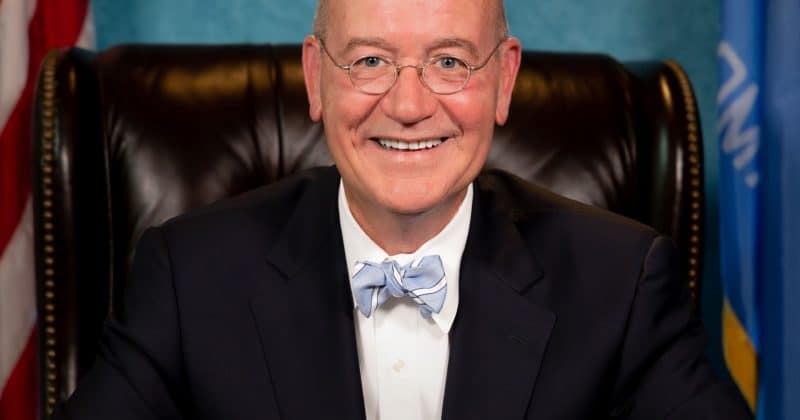
Crypto industry backs Barry Moore in Alabama Senate race with nearly $7M war chest
Defend American Jobs, a Fairshake affiliate, has poured millions into supporting the pro-crypto congressman's bid for an open Senate seat ahead of 2026 midterms.
The crypto industry has found its candidate in Alabama. Representative Barry Moore, who is running for an open US Senate seat, has attracted nearly $7 million in support from cryptocurrency-aligned super PACs, a figure that exceeds the combined spending behind all of his primary opponents.
The bulk of that money comes from Defend American Jobs, an affiliate of Fairshake, the crypto industry’s most prominent political spending vehicle. The group initially announced a $5 million ad campaign for Moore in February 2026 before ramping up its commitment even further.
Why crypto money is flowing to Alabama
Moore has earned his backing the old-fashioned way: by voting for things the industry wants. His record in Congress includes support for both the CLARITY Act and the GENIUS Act, two pieces of legislation that aim to establish clearer regulatory frameworks for digital assets.
Stand With Crypto, the advocacy organization that tracks lawmakers’ positions on digital asset policy, gives Moore an “A” rating and classifies him as “strongly supportive.”
Moore’s 2024 financial disclosures reveal personal Bitcoin holdings valued between $1,001 and $15,000.
The news moving money, markets, and the world—before your day starts.
Daily. Free. Join 34,000+ readers across crypto, finance, and policy.
Senator Cynthia Lummis has endorsed Moore’s candidacy, specifically pointing to his Bitcoin holdings and pro-innovation stance as reasons for the nod.
The Fairshake playbook expands
Moore has also taken positions that align with the industry’s broader ideological framework. He has publicly opposed central bank digital currencies, framing them as a vehicle for government overreach in financial matters.
What this means for investors
If Moore wins the Republican primary and eventually the Senate seat, he would join a growing caucus of lawmakers who actively champion crypto-friendly policy. The GENIUS Act, which he supported in the House, targets stablecoin regulation. The CLARITY Act aims to define when digital assets qualify as securities versus commodities.
When one industry pours nearly $7 million into a single state primary, it raises the profile of crypto regulation as a political issue. Opponents can frame it as special-interest capture, which could complicate legislative efforts even if pro-crypto candidates win their races.