
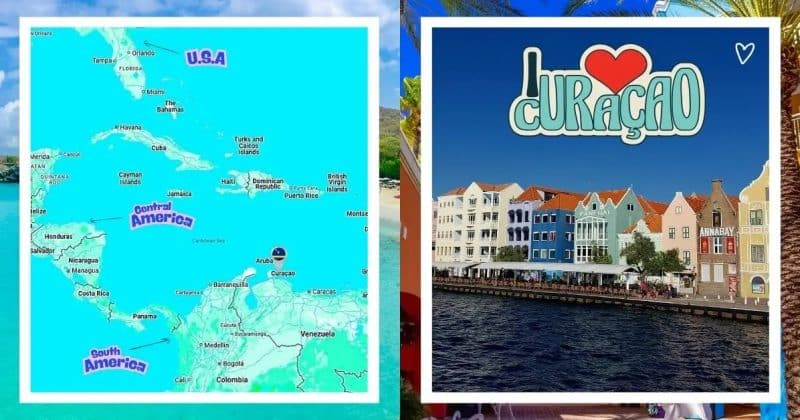
Curacao’s historic World Cup draw spotlights the island’s quiet rise as a crypto hub
The tiny Caribbean nation earned its first World Cup point while its regulatory framework attracts blockchain operators and gaming platforms
Curacao, a Caribbean island with a population smaller than most mid-sized American cities, just held Ecuador to a 0-0 draw in the FIFA World Cup 2026. Goalkeeper Eloy Room made 15 saves, matching the single-match World Cup record set by Tim Howard back in 2014.
The match that made history
The Group E clash at Arrowhead Stadium in Kansas City on June 20 was supposed to be a routine win for Ecuador. It was anything but.
Room’s 15-save performance didn’t just earn Curacao its first ever World Cup point. It tied a record that many thought would stand for a generation. Tim Howard’s legendary 16-save display against Belgium in 2014 had set the benchmark. Room matched it, and did so on a stage where Curacao had never before earned so much as a draw.
Curacao’s other game: crypto regulation
Curacao’s Gaming Authority has been actively developing a regulatory framework that covers virtual asset service providers, or VASPs. The island has created a licensing structure that makes it attractive for blockchain companies, online gambling operators, and fintech firms to set up shop, integrating crypto oversight alongside its traditional gaming regulation infrastructure.
FIFA’s crypto play and the broader trend
The crypto exchange Kraken is among FIFA’s sponsors for the 2026 World Cup. Avalanche-backed NFTs have also been scheduled for release during the tournament, aligning digital collectibles with mass-audience engagement. While no specific tokens were tied to the Curacao-Ecuador match outcome, the sheer volume of global engagement around World Cup matches drives traffic to platforms that accept or facilitate crypto wagers. Curacao’s regulatory framework for gaming and digital assets makes it a natural jurisdiction for many of these operators.
The news moving money, markets, and the world—before your day starts.
Daily. Free. Join 34,000+ readers across crypto, finance, and policy.
What this means for investors
Kraken’s FIFA sponsorship puts exchange branding in front of billions of viewers. For Kraken specifically, it is a play for mainstream legitimacy at a time when regulatory clarity in the US remains a work in progress.
Avalanche stands to benefit as well. NFT projects tied to the World Cup could drive transaction volume on the network, even if the broader NFT market remains well below its 2021-2022 highs.
As jurisdictions around the world wrestle with how to regulate crypto, smaller nations that move quickly and thoughtfully can capture outsized market share in attracting blockchain businesses. Curacao’s Gaming Authority will need to demonstrate that its framework is robust enough to maintain credibility, as jurisdictions that attract crypto firms with lighter-touch oversight can also attract bad actors.