
Czech Republic denies South Africa equaliser after Kovar error at 2026 World Cup

Czech Republic denies South Africa equaliser after Kovar error at 2026 World Cup

Captain Ladislav Krejci's last-ditch intervention preserved Czechia's lead in a must-win Group A clash in Atlanta

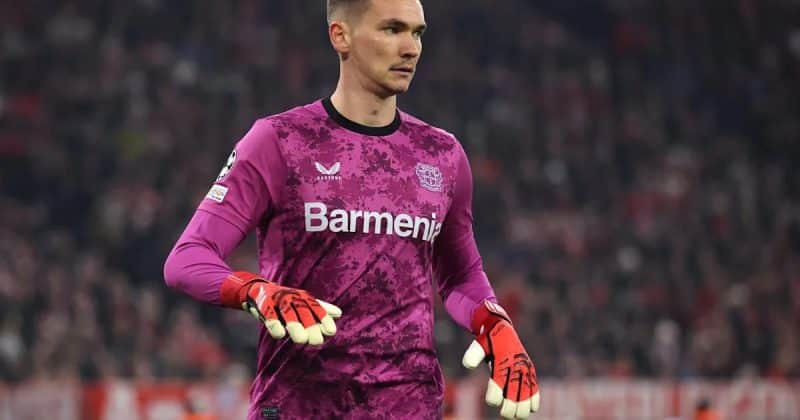
Czech Republic captain Ladislav Krejci bailed out goalkeeper Matej Kovar after a critical error nearly gifted South Africa an equaliser during their Group A match at the 2026 FIFA World Cup. The game, played at Mercedes-Benz Stadium in Atlanta on June 18, was essentially a knockout match for two teams already staring down early elimination.

Both sides entered the contest desperate for points. Czechia lost their tournament opener 2-1 to South Korea, while South Africa fell 2-0 to co-host Mexico. A second consecutive defeat for either team would almost certainly end their World Cup campaign before the final group stage fixture.

Advertisement

Kovar’s mistake and Krejci’s rescue

The pivotal moment came when Czech goalkeeper Matej Kovar committed an error that opened the door for South Africa to draw level. Krejci, wearing the captain’s armband, stepped in to clear the danger and deny what looked like a certain South African equaliser.

Two teams with everything to lose

South Africa made a notable shift in their approach, moving away from the five-man defensive setup they deployed against Mexico in their opening match. That 2-0 loss apparently convinced the head coach that a more balanced formation was necessary against Czechia.

The historical record between these two nations is remarkably thin. Their only previous meeting came in the 1997 FIFA Confederations Cup, which ended 2-2. That’s nearly three decades of zero competitive contact before this Group A encounter in Atlanta.

What the group stage dynamics mean going forward

The 2026 World Cup’s expanded 48-team format, featuring groups of four with the top two advancing to a round of 32, was designed to give more nations a genuine pathway to the knockout stage. Czechia’s return to the finals marks their first appearance since 2006, while South Africa is participating for the first time since hosting the World Cup in 2010.

Disclosure: This article was edited by Editorial Team. For more information on how we create and review content, see our Editorial Policy.

Czech Republic denies South Africa equaliser after Kovar error at 2026 World Cup

Czech Republic denies South Africa equaliser after Kovar error at 2026 World Cup

Captain Ladislav Krejci's last-ditch intervention preserved Czechia's lead in a must-win Group A clash in Atlanta

Czech Republic captain Ladislav Krejci bailed out goalkeeper Matej Kovar after a critical error nearly gifted South Africa an equaliser during their Group A match at the 2026 FIFA World Cup. The game, played at Mercedes-Benz Stadium in Atlanta on June 18, was essentially a knockout match for two teams already staring down early elimination.

Both sides entered the contest desperate for points. Czechia lost their tournament opener 2-1 to South Korea, while South Africa fell 2-0 to co-host Mexico. A second consecutive defeat for either team would almost certainly end their World Cup campaign before the final group stage fixture.

Advertisement

Kovar’s mistake and Krejci’s rescue

The pivotal moment came when Czech goalkeeper Matej Kovar committed an error that opened the door for South Africa to draw level. Krejci, wearing the captain’s armband, stepped in to clear the danger and deny what looked like a certain South African equaliser.

Two teams with everything to lose

South Africa made a notable shift in their approach, moving away from the five-man defensive setup they deployed against Mexico in their opening match. That 2-0 loss apparently convinced the head coach that a more balanced formation was necessary against Czechia.

The historical record between these two nations is remarkably thin. Their only previous meeting came in the 1997 FIFA Confederations Cup, which ended 2-2. That’s nearly three decades of zero competitive contact before this Group A encounter in Atlanta.

What the group stage dynamics mean going forward

The 2026 World Cup’s expanded 48-team format, featuring groups of four with the top two advancing to a round of 32, was designed to give more nations a genuine pathway to the knockout stage. Czechia’s return to the finals marks their first appearance since 2006, while South Africa is participating for the first time since hosting the World Cup in 2010.

Disclosure: This article was edited by Editorial Team. For more information on how we create and review content, see our Editorial Policy.