DRAM and NAND prices surge up to 98% in a single quarter, and it’s about to get worse
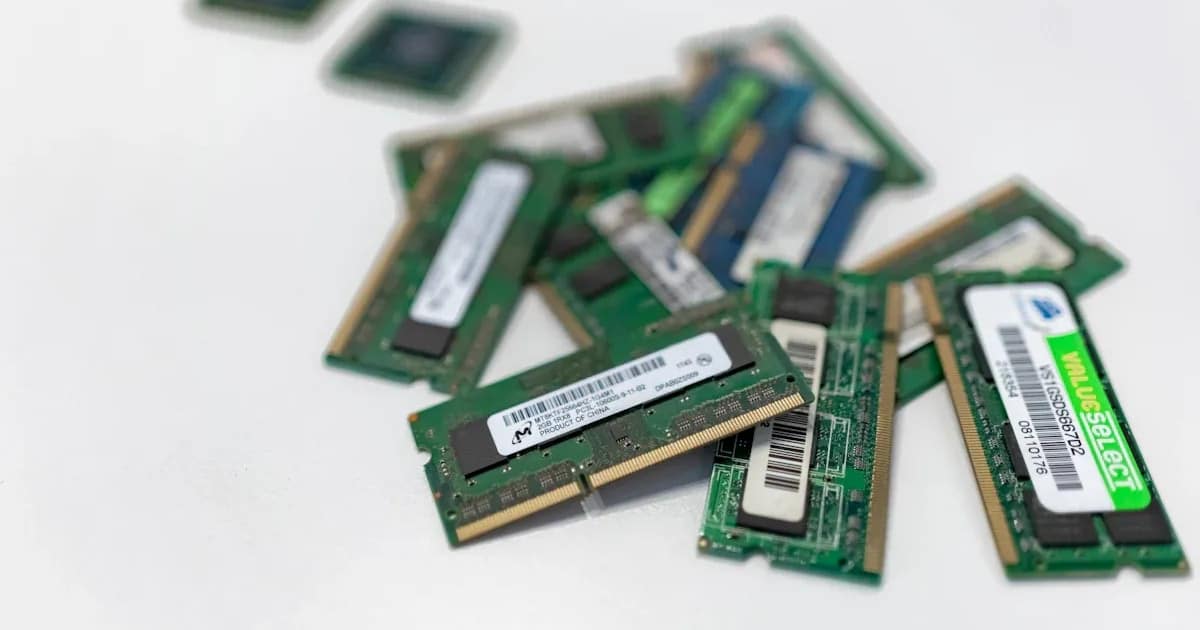
AI's insatiable appetite for high-bandwidth memory is starving the conventional chip market, sending costs soaring for everything from laptops to data centers
Remember when a 1 TB SSD cost about $45? That was late 2025. The same drive now runs closer to $90.
Conventional DRAM contract prices surged 90-98% quarter-over-quarter in Q1 2026, according to TrendForce. The original forecast had called for a 55-60% increase. The actual numbers blew past even the most bullish projections.
What’s driving the price explosion
Major memory manufacturers, Samsung, SK Hynix, and Micron, have been aggressively shifting their production capacity toward high-bandwidth memory, the specialized DRAM that powers AI accelerators in data centers. When you redirect fabrication lines to produce HBM, those same lines can’t simultaneously churn out the conventional DRAM and NAND flash that goes into laptops, smartphones, and consumer SSDs.
NAND flash didn’t escape the carnage. Contract prices jumped 55-100% quarter-over-quarter in Q1 2026, with Samsung reportedly hitting the peak end of that range.
Q2 projections look even grimmer
TrendForce has revised its projections upward, forecasting NAND flash prices could climb an additional 70-75% in Q2. DRAM is expected to see further increases of 58-75%.
AI, tech, and the markets they move—in one daily briefing.
Daily. Free. Join 34,000+ readers across crypto, finance, and policy.
Suppliers are reporting sold-out capacities across conventional memory product lines. Analysts expect the supply squeeze to persist through 2027 as manufacturers continue prioritizing HBM.
TrendForce noted a substantial quarter-over-quarter revenue boost for DRAM suppliers in Q1 2026.
Who gets hurt, and how badly
Smartphone manufacturers face a squeeze, as memory typically represents a significant portion of a phone’s bill of materials. Laptop and PC makers are in the same boat. The $300 laptop might become the $400 laptop, or the specs at $300 might quietly get worse.
Consumer SSDs tell the most visible story. A product category that had been on a long-term deflationary trajectory has suddenly reversed course. The 1 TB SSD price jump from roughly $45 to $90 is something everyday consumers can see and feel.
Companies that locked in long-term memory supply contracts before prices spiked have a meaningful cost advantage over competitors who buy on the spot market.
Disclosure: This article was edited by Editorial Team. For more information on how we create and review content, see our Editorial Policy.