
Nexo Earn with Nexo
European Central Bank raises interest rates for first time in three years

European Central Bank raises interest rates for first time in three years

The ECB hiked its deposit rate to 2.25% as surging energy costs from the Iran conflict force a hawkish pivot that could ripple through crypto and risk assets

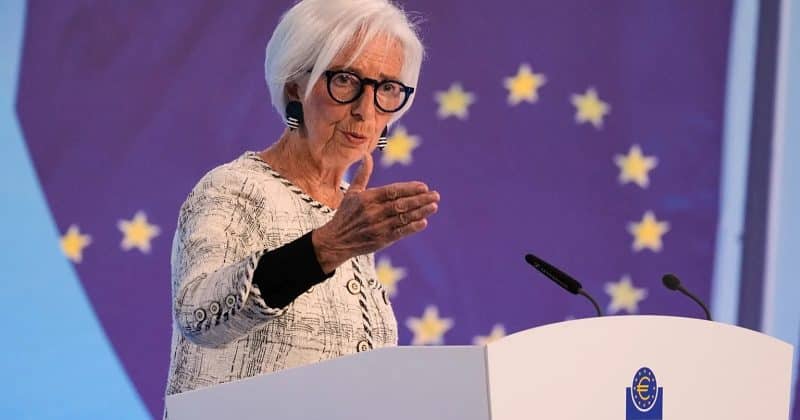
The European Central Bank just shifted gears. After a prolonged easing cycle that defined most of 2024 and 2025, the ECB announced a 25 basis point rate hike on June 11, marking its first increase since 2023.

The new deposit facility rate sits at 2.25%, up from 2.00%. The main refinancing operations rate climbed to 2.40%, and the marginal lending facility now stands at 2.65%. All three take effect on June 17.

The culprit here is familiar: inflation, this time fueled by an energy price surge tied to the ongoing conflict in Iran and disruptions to oil shipments through the Strait of Hormuz.

Why now, and why this size

The 25 basis point move was about as surprising as sunrise. Financial markets had priced in nearly 100% probability of the hike before the official decision dropped.

Advertisement

ECB Executive Board member Isabel Schnabel made the rationale crystal clear. She argued the hike was necessary to counteract persistent inflation risks, regardless of whether peace negotiations with Iran produce results.

The Strait of Hormuz context is critical here. Roughly a fifth of the world’s petroleum passes through that narrow waterway.

A sharp U-turn from the easing cycle

To appreciate how significant this pivot is, rewind a bit. The ECB spent much of 2024 cutting rates as eurozone inflation cooled from its post-pandemic highs. The last time it hiked rates was in 2023, during the tail end of its aggressive tightening campaign, which saw rates peak above 4%.

What this means for crypto and risk assets

Here’s the thing. Interest rate hikes from major central banks have historically created headwinds for risk assets, and crypto is no exception. When the ECB raises rates, it increases the opportunity cost of holding non-yielding assets like Bitcoin. During the 2022-2023 tightening cycle, crypto markets experienced dramatic drawdowns that coincided with aggressive rate hikes from both the ECB and the Federal Reserve.

Markets had already fully priced this move in, which means much of the impact was absorbed before the announcement. The real question for crypto traders isn’t this hike. It’s whether more are coming.

There’s a counterargument worth considering, though. Persistent inflation can actually drive interest in crypto as a hedge against currency depreciation. If the euro loses purchasing power faster than the ECB can contain it, some investors may rotate into Bitcoin and other hard-cap digital assets as a store of value play.

For now, the divergence between the ECB and the Federal Reserve is worth watching closely. If the Fed holds steady while the ECB tightens, the euro could strengthen against the dollar. That shifts the calculus for crypto markets, which remain predominantly dollar-denominated.

Disclosure: This article was edited by Editorial Team. For more information on how we create and review content, see our Editorial Policy.

European Central Bank raises interest rates for first time in three years

European Central Bank raises interest rates for first time in three years

The ECB hiked its deposit rate to 2.25% as surging energy costs from the Iran conflict force a hawkish pivot that could ripple through crypto and risk assets

The European Central Bank just shifted gears. After a prolonged easing cycle that defined most of 2024 and 2025, the ECB announced a 25 basis point rate hike on June 11, marking its first increase since 2023.

The new deposit facility rate sits at 2.25%, up from 2.00%. The main refinancing operations rate climbed to 2.40%, and the marginal lending facility now stands at 2.65%. All three take effect on June 17.

The culprit here is familiar: inflation, this time fueled by an energy price surge tied to the ongoing conflict in Iran and disruptions to oil shipments through the Strait of Hormuz.

Why now, and why this size

The 25 basis point move was about as surprising as sunrise. Financial markets had priced in nearly 100% probability of the hike before the official decision dropped.

Advertisement

ECB Executive Board member Isabel Schnabel made the rationale crystal clear. She argued the hike was necessary to counteract persistent inflation risks, regardless of whether peace negotiations with Iran produce results.

The Strait of Hormuz context is critical here. Roughly a fifth of the world’s petroleum passes through that narrow waterway.

A sharp U-turn from the easing cycle

To appreciate how significant this pivot is, rewind a bit. The ECB spent much of 2024 cutting rates as eurozone inflation cooled from its post-pandemic highs. The last time it hiked rates was in 2023, during the tail end of its aggressive tightening campaign, which saw rates peak above 4%.

What this means for crypto and risk assets

Here’s the thing. Interest rate hikes from major central banks have historically created headwinds for risk assets, and crypto is no exception. When the ECB raises rates, it increases the opportunity cost of holding non-yielding assets like Bitcoin. During the 2022-2023 tightening cycle, crypto markets experienced dramatic drawdowns that coincided with aggressive rate hikes from both the ECB and the Federal Reserve.

Markets had already fully priced this move in, which means much of the impact was absorbed before the announcement. The real question for crypto traders isn’t this hike. It’s whether more are coming.

There’s a counterargument worth considering, though. Persistent inflation can actually drive interest in crypto as a hedge against currency depreciation. If the euro loses purchasing power faster than the ECB can contain it, some investors may rotate into Bitcoin and other hard-cap digital assets as a store of value play.

For now, the divergence between the ECB and the Federal Reserve is worth watching closely. If the Fed holds steady while the ECB tightens, the euro could strengthen against the dollar. That shifts the calculus for crypto markets, which remain predominantly dollar-denominated.

Disclosure: This article was edited by Editorial Team. For more information on how we create and review content, see our Editorial Policy.