
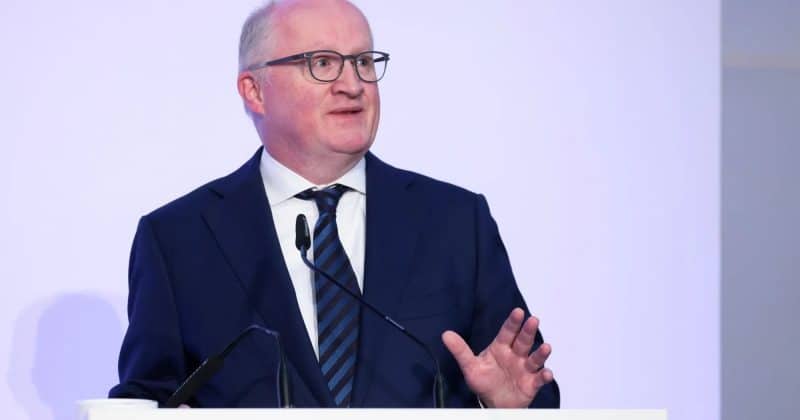
ECB’s Wunsch signals muted wage growth could delay further rate tightening
Negotiated wage growth projections dropped to 2.6% for 2026, giving the central bank more breathing room on interest rates
Pierre Wunsch, the Governor of the Banque Nationale de Belgique and a member of the ECB Governing Council, just handed euro area markets a data point they’ve been waiting for. Wage growth across the bloc is, in his words, “fairly muted,” and the implications for monetary policy are significant.
The ECB’s wage tracker, updated on June 17, now projects negotiated wage growth of 2.6% for 2026. That’s a meaningful step down from the previous estimate of around 3.0%. For a central bank that has spent the better part of three years obsessing over whether pay increases would spiral into persistent inflation, this is the kind of number that buys time.
The moderation is especially notable given what’s happening with energy prices. The ongoing Iran conflict has injected volatility into energy markets, creating exactly the kind of external shock that could, in theory, trigger second-round inflation effects through wages. Wunsch explicitly noted that the wage moderation helps mitigate the risk of these second-round effects from energy price pass-through.
What this means for ECB policy
The practical implication is straightforward. Muted wage growth reduces the urgency for the ECB to tighten monetary policy further. Wunsch framed this as providing “increased leeway” for policymakers. The ECB’s framework for evaluating inflation risks treats wage dynamics as a core input. If that input is stable and low, the case for holding rates steady, or even easing them, becomes considerably stronger.
Macro, rates, and crypto—what moved markets and what matters next.
Daily. Free. Join 34,000+ readers across crypto, finance, and policy.
That said, Wunsch was careful to leave the door open. Any notable acceleration in wages could force a reevaluation of inflation expectations, he indicated. Forward-looking wage indicators remain unrevised, suggesting the moderation trend has legs, but the central bank is clearly keeping one eye on the rearview mirror.
What investors should watch
The 2.6% wage growth number also matters for the euro itself. Lower wage pressure reduces the likelihood of hawkish surprises from the ECB, which could weigh on the euro relative to the dollar.
The risk to watch is a reversal. Energy prices driven by the Iran conflict remain unpredictable, and any sustained spike could eventually break through into wage demands, particularly in energy-intensive sectors. If negotiated wages start climbing back toward 3% or higher, the ECB’s patience will evaporate quickly, and markets will need to reprice accordingly.